Language
Tryk Enter for at søge eller X for at lukke.
Featured articles
It has taken a while, but Wolverine has finally arrived on PS5. Insomniac have already proved they can make superheroes work in games, and this time Logan gets to tear through enemies, old memories and another round of problems he would rather have avoided.
We like to know what is alive and what merely imitates life. That order sounds almost biologically self-evident, but in Amalie Smith’s Levende it is exposed as a human habit: a way of keeping nature, technology and ourselves at a comfortable distance from one another.
Susan Knorrenborg is the opinion editor at Politiken and made her debut as a novelist with Spørg John in 2024. In They’re Threatening a Party Bus, she sends Lykke into a hen do from hell: she’s getting married in two weeks, has just tried to end a years-long affair, and now her friends are waiting with a party bus full of men from her past. It’s hard to imagine a worse day to be keeping secrets.
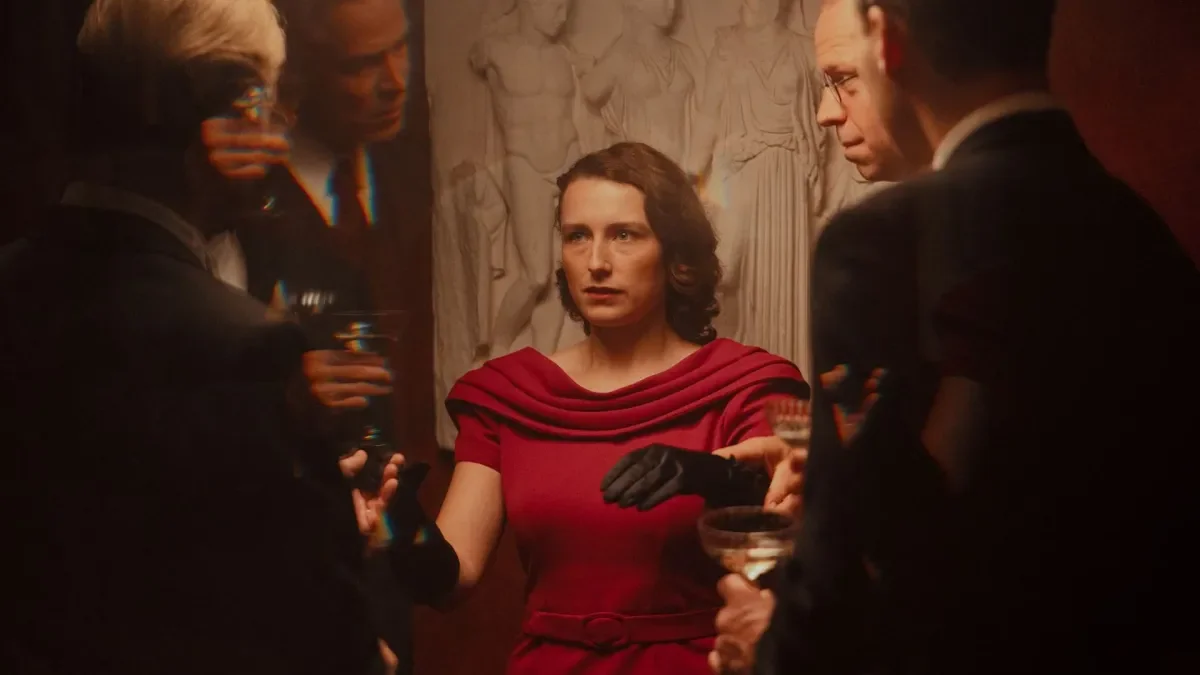
Et sommerbryllup, en skjult kærlighed og et land, der gerne vil bestemme, hvem der må høre til. May el-Toukhy placerer Kvinde ukendt i København i maj 1945, men filmens blik på skam og national identitet føles alt andet end støvet. Nu er dramaet valgt som Danmarks kandidat til en Oscar.
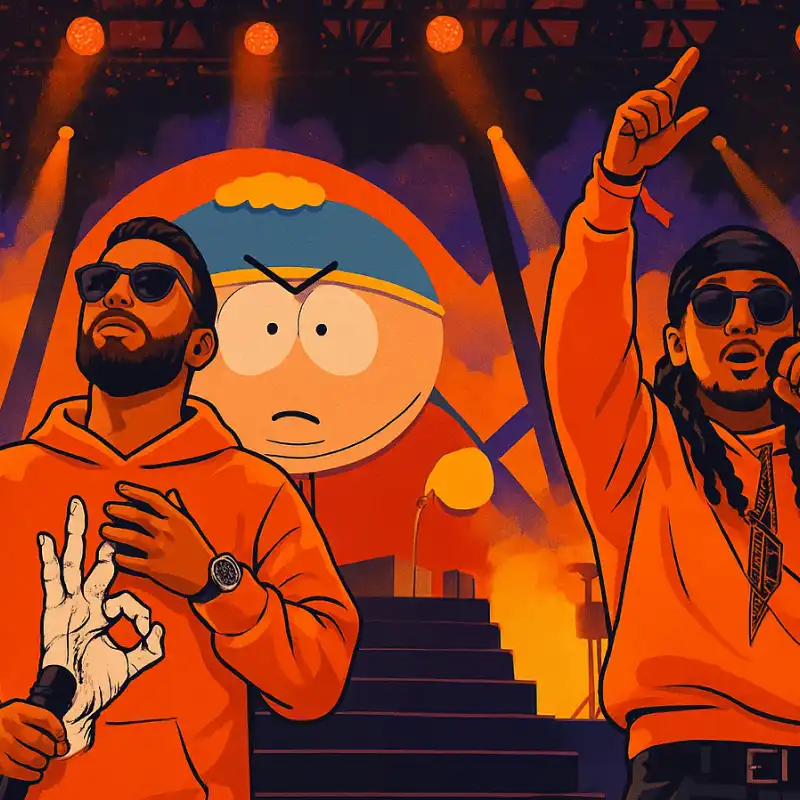
MØ and Nurse are bringing their Danish-language punk duo MOR to TRACK in Aarhus on 18 December and Pumpehuset in Copenhagen on 19 December 2026. After their summer reunion at Copenhell, the duo is now getting two nights of their own.
A dog was written into the role, then almost disappeared from the film because it slowed down the shoot. For Asta Kamma August, that tiny detail says something bigger about film work: when everything has to run fast and look effortless, it is concentration itself that gets squeezed.
Spotify has started tagging AI-made artists that look like real people but aren’t. At the same time, Suno has launched v6, where an AI song can be edited almost like a piece of studio work. It sounds like two tech stories. In reality, both are about something far more human: Who made the music we hear?
Hollywood loves its myths, especially the kind that sound like they were invented over a bad dinner and one glass too many. Brothers takes a rumor about Woody Harrelson and Matthew McConaughey and turns it into a series where friendship, vanity, and family friction are allowed to tremble a little in the Texas heat. I went in with low expectations for the story, but with a certain affection for both men.
We’ve been to Louisiana many times before, but the little trip to Humlebæk still ends the same way: you arrive, see the light, the park and the Øresund, and feel mildly astonished that something this beautiful is sitting just outside Copenhagen. This time, Lucian Freud is the reason to go.
Lee Child’s Jack Reacher is a wandering figure, and in the series he’s played by Alan Ritchson. In season four, a chance encounter with a desperate stranger sets off a deadly conspiracy, where power sits all the way up near the ceiling.
Lizzie Borden was acquitted of murdering her father and stepmother in 1893, and the case remains unsolved. Netflix has fewer qualms. In Monster: The Lizzie Borden Story, she is turned into victim, avenger, and feminist icon all at once. It’s entertaining. It’s also a little too easy.
This was supposed to be an Ed Sheeran tour, full stop. Big stadiums, big choruses and grown adults getting misty-eyed during Photograph. Instead, Macklemore was removed, several musicians walked away, and Sheeran found himself in the middle of a debate about Gaza, free speech and who actually gets to call the shots on a stadium tour.
A Japanese toilet function can absolutely be comedy. It can also become a cry for help from a series that’s searching for yet another button to press. In Klovn season 11, the embarrassment machine still works, but it more often produces complications than real development.
A monster rarely begins with a roar. Sometimes it begins with an idea, a body on a table, and a creator who later wants nothing to do with his work. So when Golden Days folds Frankenstein into its MONSTER festival in September, Mary Shelley’s novel still lands where it hurts: our fear is at least as much about responsibility as it is about evil.
Eddie no longer wants out of the criminal business. He wants more of it. The Gentlemen season 2 turns that appetite into the engine of a fast, sharply played stretch of gangster entertainment that only loses a little of its grip in the final stretch.
It’s easy to call yourself inclusive when no one has yet asked you to move the furniture. Starting from the documentary All of God’s Colors and the work of Enghave Church, we ask who gets to shape a religious community — not just step inside it.
An established artist is set to play first, but the name is still under wraps. Masiv, Ayla and Inga Bari are meant to be the reason people stay. Headline Flip has a smart idea. Now all that remains is for concertgoers to turn their habits as easily as the promoter turns the poster.
Gobs has been moving fast over the past few years, and by now it’s pretty clear that Victor Gaardboe knows exactly which buttons to press, twist and turn if he wants a song to lodge itself in your head. On Bornholm, it quickly became clear that he also knows how to get an audience dancing while the lyrics head in a completely different direction. That takes more than charm. It takes a very sharp ear for Danish pop.
It was like blending Italo Brothers, goofy Eurovision-style metal and a Rammstein-light aesthetic in a Temu blender with the lid off. Everything was flying around, but nothing landed. Mostly I stood there thinking: who exactly is this for?
I’ve seen plenty of bands at Royal Arena, but rarely one that could feel so polished and so improvised at the same time. OneRepublic have billions of streams to their name, yet they still behave like a bunch of old classmates who’ve just met up to play a few songs. That is both their strength and their weakness.
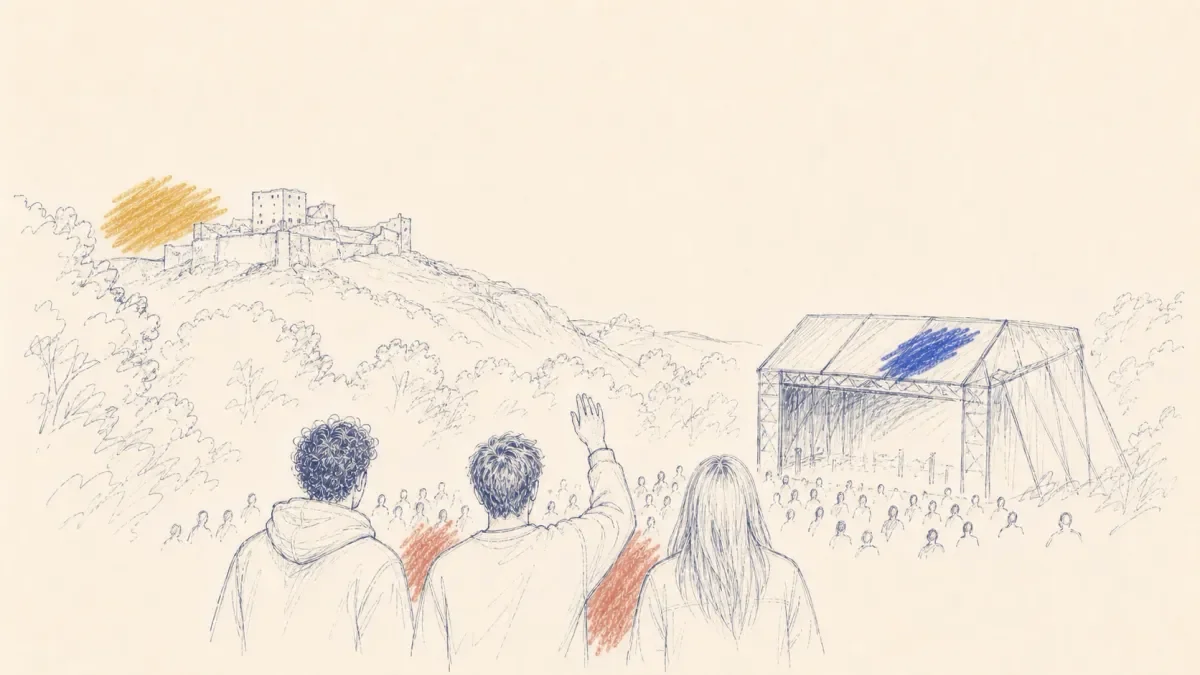
Wonderfestiwall is one of those festivals where you almost have to remind yourself that there’s actually music involved. First you just stand there looking out over Hammershus, the cliffs, the sea and the sunset thinking: What the hell are we doing here? In the best possible way. And then five minutes pass, and someone shouts that Kesi is playing later.
Nintendo has had sport in its blood since the NES days, and Mario has long been the company’s most dependable multi-athlete. Baseball, golf, football, the Olympics — and perhaps most naturally of all: tennis. The aristocratic discipline meets an Italian plumber in red, and somehow, miraculously, it still works. The question is not whether Mario can serve. The question is whether you can return it.
There are concerts that don’t need to convince anyone. They only need to open slowly and let the audience step inside. The Minds of 99 at Heartland was that kind of concert. Not surprising. Not overdone. Just strong, clear, and carried by a summer night that almost did the work with them.
Jess Glynne took the stage after a brutal spell of weather, with Tinderbox still trying to find its footing again. It was a thankless task, yes. But also a chance. She had the hits, the voice and the crowd in front of her. And yet the concert never quite became the release the square needed.
Turboweekend took the stage after a day when the Tinderbox crowd had been hit with heat, storm, mud and a cancellation all at once. That takes a band with some heft to lift. And Turboweekend fought for it. The sound was strong, the energy was real, and the Danish lyrics had bite. But the concert never quite found the movement that could have turned something solid into something big.