Language
Tryk Enter for at søge eller X for at lukke.
Featured articles
There’s something almost thankless about being the first proper name on Orange Stage after the christening. The audience is still finding itself, its friends, its beer and the queue it has apparently chosen to devote its life to. Wolf Alice came on in the middle of it all and did something almost provocatively grown-up: they didn’t turn up the chaos. They gave us a breather.
I’d actually meant to leave. Just catch the opening, feel the temperature, do the classic festival move where you pretend you’re a free person in control of your evening. But then Tobias Rahim was there. Gleaming, composed, and completely absurdly ready for Orange Stage.
I wasn’t expecting to use the word cozy about Napalm Death. It feels almost like calling an angle grinder caring. But at Eos, something strange happened. In the middle of the noise, the growl and the political poison darts, Mark “Barney” Greenway stood there in blue braces looking like the kindest man in the world — right up until he opened his mouth and sounded like civilization’s last coughing fit.
Clipse on Orange Scene should have been one of those bookings you later say you were right there for. Pusha T and Malice. The brothers. The myth. Coke rap with museum status and a still-fresh whiff of asphalt. But somewhere between the razor-sharp rhymes, the heavy beats, and an audience that wanted to be convinced, it all started to feel a bit like having the same hard-boiled text message read aloud 27 times.
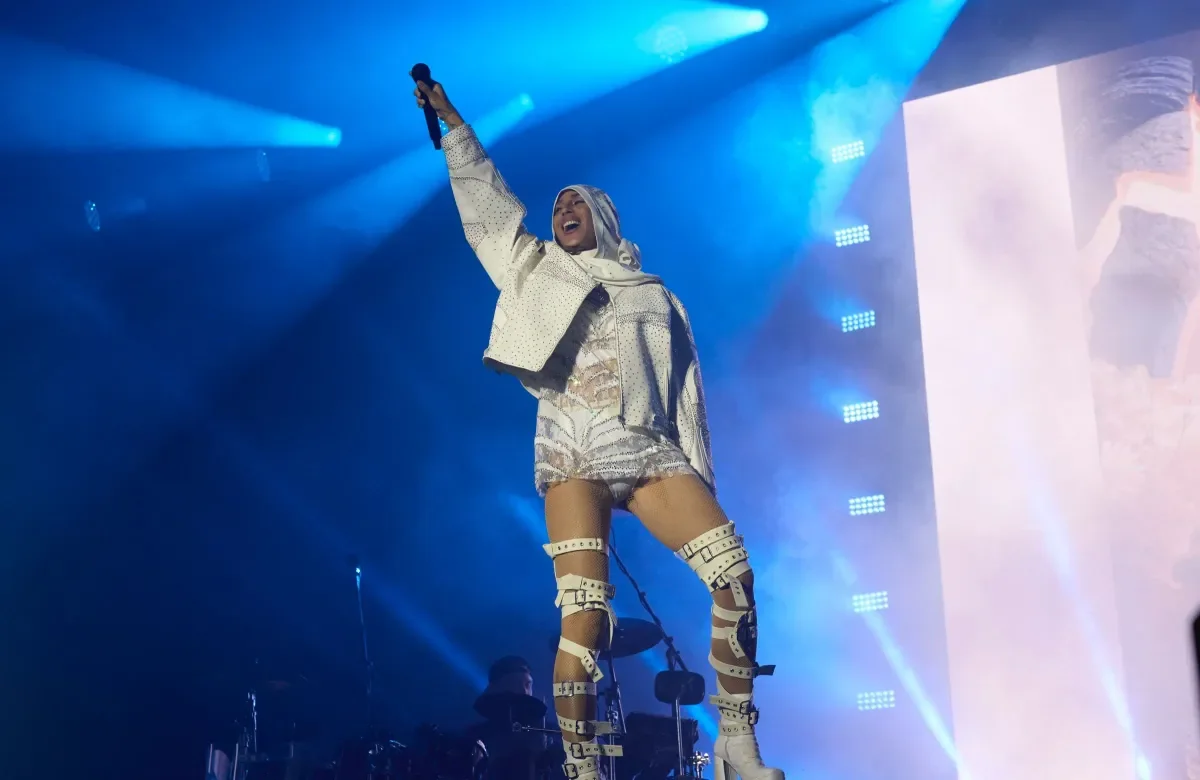
Roskilde had been wet, heavy, and grey all day. You could feel the rain in your clothes, in the mud, and in that slightly flat festival energy that creeps in when the weather gets to call the shots for too long. But when Little Simz stepped onto Orange Scene on Thursday at 6 p.m., something shifted. The sun broke through, the crowd lifted, and the festival started breathing again.
Some concerts demand that you know the songs. Others only ask that you let go. Young Miko delivered a show where language quickly mattered less than rhythm, bass and the effortless confidence she brought to the stage. It was cool without feeling calculated, and that was exactly why it pulled you in.
Roskilde Festival is, of course, about music. We say that because it’s the easy answer, and because it sits at the top of the poster. But the festival’s real spirit often lives everywhere else: in the mud, in the camps, in the queues, in the night, and on the walls you only notice once you stop chasing the next concert.
Can a superhero film still feel like a film, and not just a franchise that’s been given too much electricity? Spider-Man: A Brand New Day at least tries to answer yes. Tom Holland returns as Peter Parker, and after years of multiverses, noise, and digital confetti, it’s almost a relief that the series once again dares to be small enough to feel human.
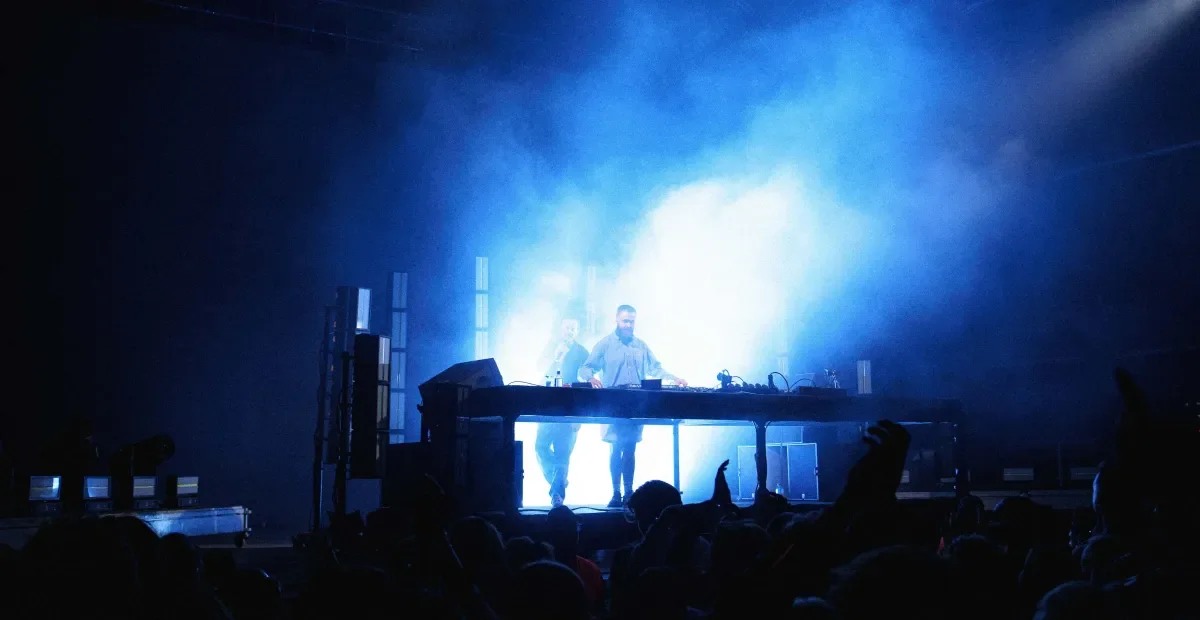
Disclosure were given the honour of closing O Days 2026, the festival’s fifth anniversary, with a DJ set on the Omni stage on Saturday night. We arrived with a slight reservation and cycled home with aching legs and a silly grin. Here is our review.
I was standing there with a festival beer and good intentions when The Cardigans took the stage at Wonderfestiwall on Friday around 6 p.m. It should have been a small pop-soaked breather, all Swedish elegance and communal singing in the sun. Instead, it became a concert where you could constantly feel what the audience had come for — and what the band themselves wanted something else from.
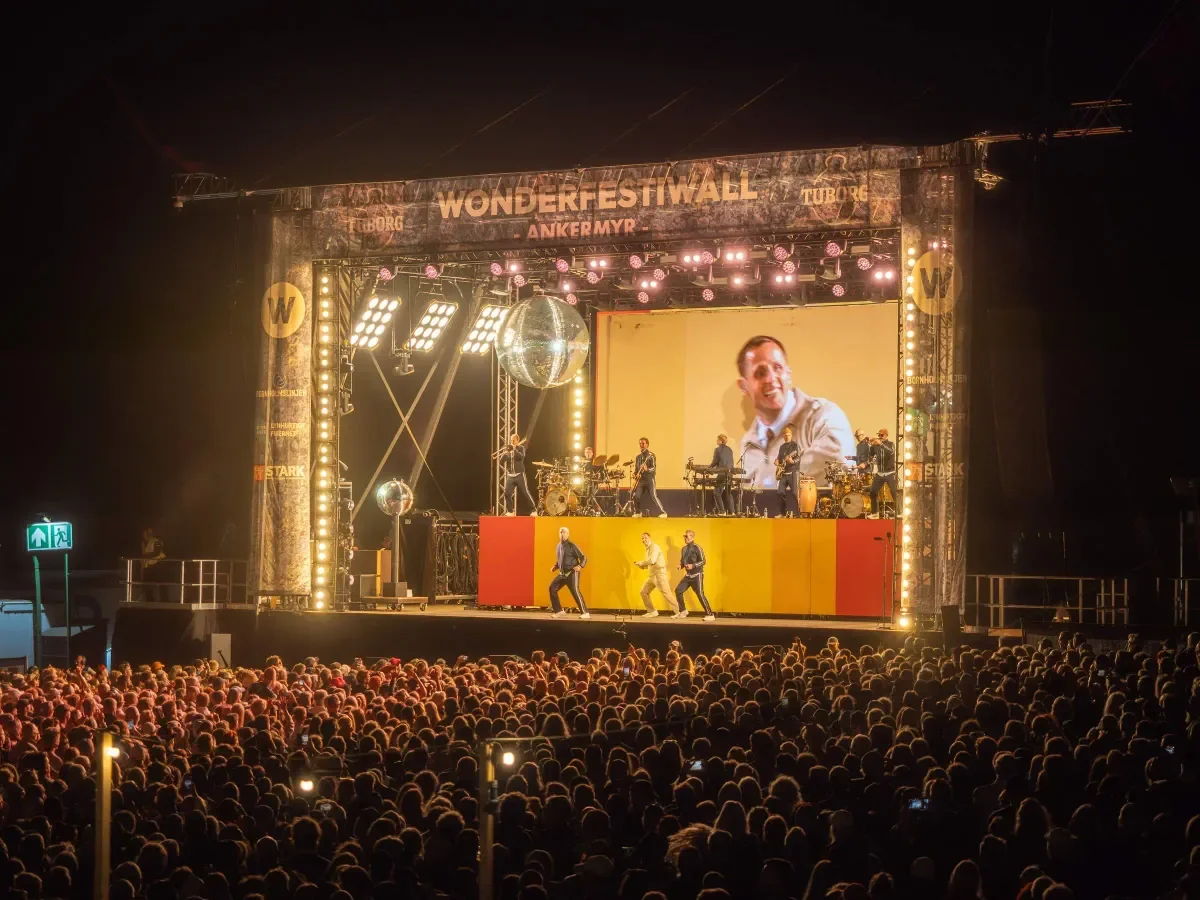
Can you still be surprised by an act you’ve watched for three decades? Apparently yes. Infernal closed Wonderfestiwall 2026 on the main stage with an energy that made the night tremble and the step counter behave as if it were being paid per kilometer. Lina and Paw have been part of Danish dance music since 1997, but here they didn’t stand like a nostalgic museum of 00s party culture. They stood like a band that still knows how to build a finale that leaves you a little dazed, and a little happier to be human.
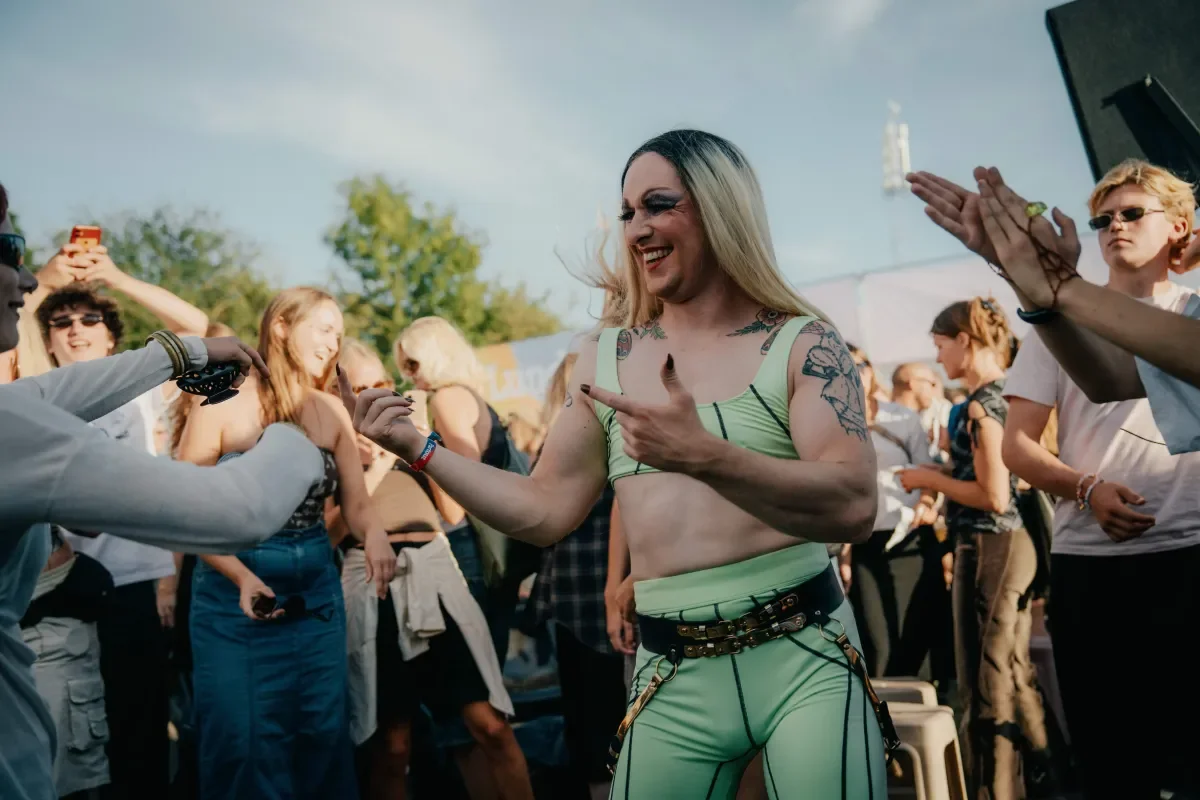
Sparkle, drag bingo and huge choruses brought Valbyparken together as Syd for Solen 2026 opened with a Thursday full of variety.
The funny partner gets off lightly. A well-timed insult, a laugh around the table, and suddenly it’s the wounded one who ruins the evening. To me, that maneuver is far more offensive than suggesting an open relationship. That’s why The Invite’s marital power struggle interests me more than the question of who might sleep with whom.
The golden rat has no intention of apologizing. It lies beside a small bronze figure, takes up an absurd amount of space, and makes established art look like something someone forgot to put back in place. I’m already on the rat’s side. It’s a relief to see an exhibition whose ambition is visible before anyone has explained it with a word ending in “-practice.”
The two French men behind Justice have trashed hotel rooms, won Grammys, and staged an opera with no audience. Now they’re playing O Days Festival — and I’m still hoping someone shouts “We Are Your Friends,” even though it’s been 20 years since that was cool.
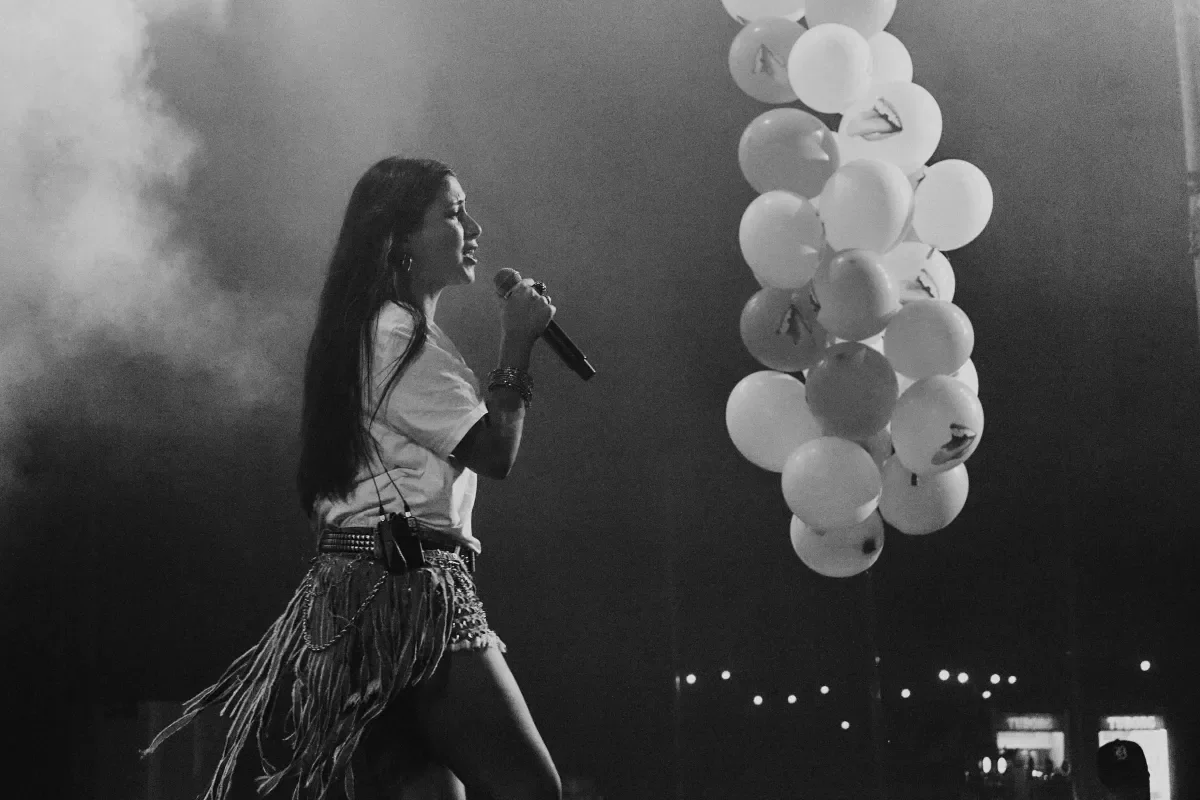
Ericka Jane arrived at De Første Stråler in a white cap, angel wings, balloons and a T-shirt that declared her “AS APATHETIC AS CAN BE.” Luckily, she was anything but. She worked for every glance and every lifted head, but between the stage’s big gestures and the audience’s cautious nods, a distance opened up that the pop never quite managed to close. Everything was set for the party. The only thing missing was the moment it actually began.
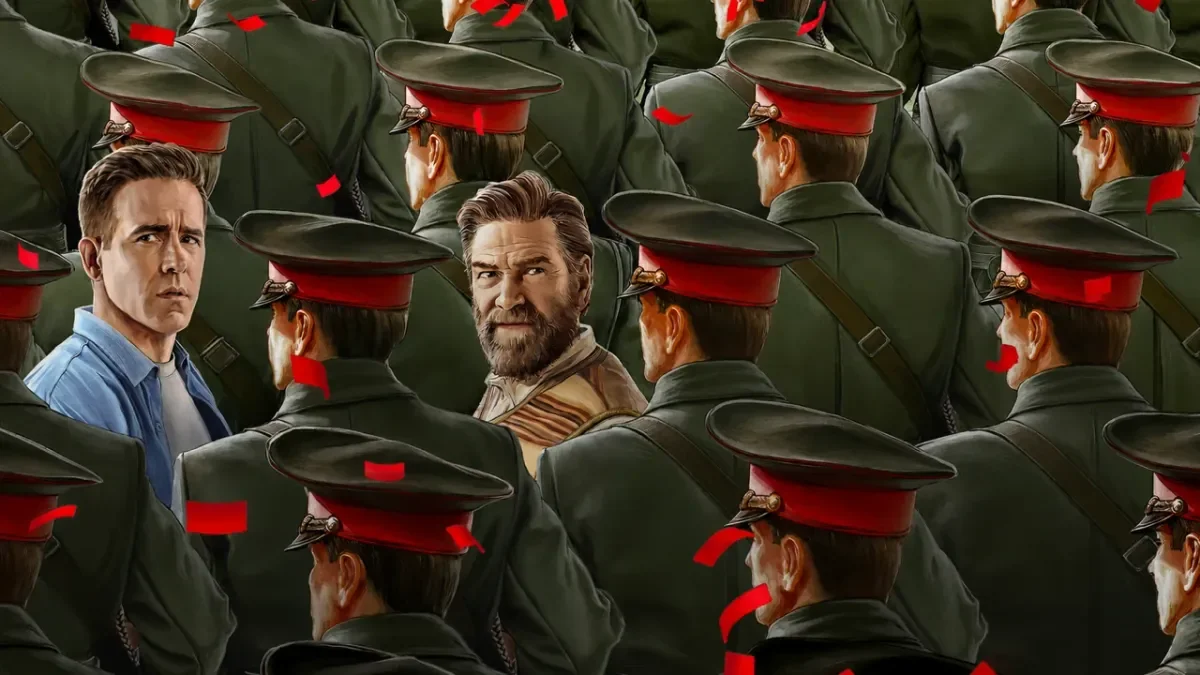
There’s a particular vibe to a streaming movie you’d secretly hoped more from: that faint crackle of anticipation turning into something that feels a lot like lukewarm popcorn. I went into Mayday with the low expectations you can only build after a few years of direct-to-streaming experience. Here, Ryan Reynolds and Kenneth Branagh are asked to carry a story that wants to be both a thriller and something a little more off-kilter, but it always feels half a step behind itself.
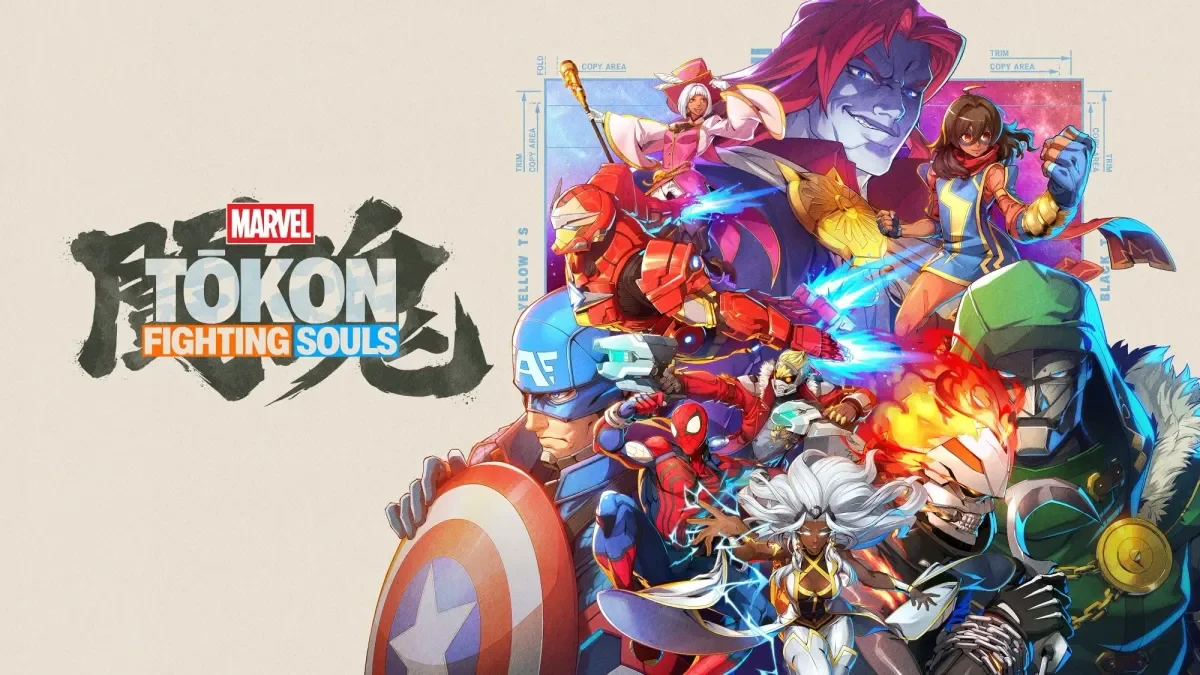
Marvel Tōkon: Fighting Souls is a handsome, accessible fighting game with inventive characters, but it’s missing that final pinch of spice that would make it an evergreen.
On P3’s little sunlit patch, Thursday’s biggest bitch was found with bingo cards, twerking and a collective decision that dignity was something you could pick up again on the way home. While the big stages used lights, smoke and millions of streams to wring reactions out of the crowd, the drag bingo did it with a few numbers, quick one-liners and people willing to look ridiculous together.
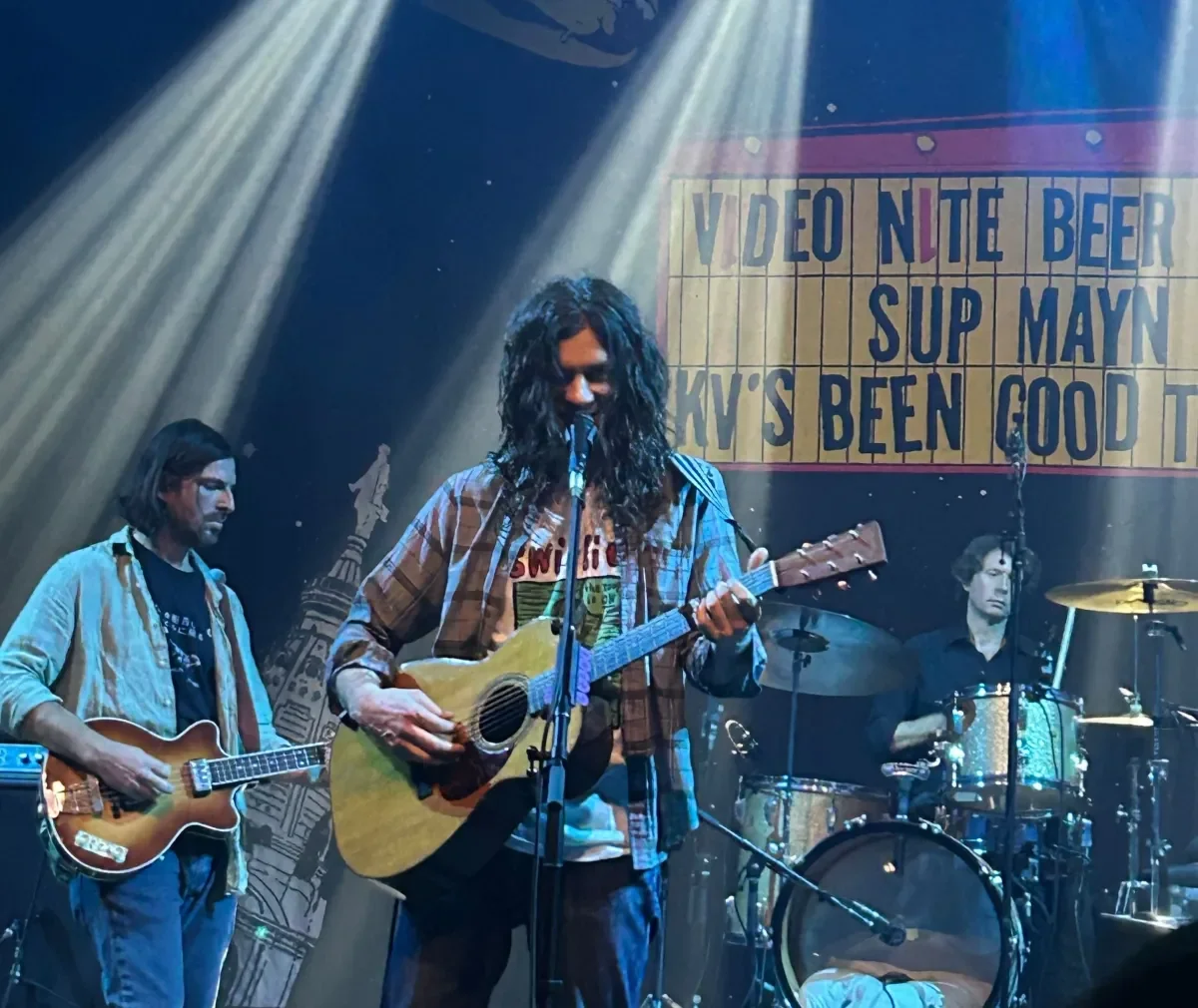
In rock history, there is always room for a misfit with a guitar, a crooked hat and enough confidence to let the songs breathe. Kurt Vile has long occupied that space where slacker attitude meets craft, and on Tuesday night at Vega it became crystal clear why he keeps growing. Not as a stadium figure. More like someone who slowly takes over the room while you realise you’re already nodding along.
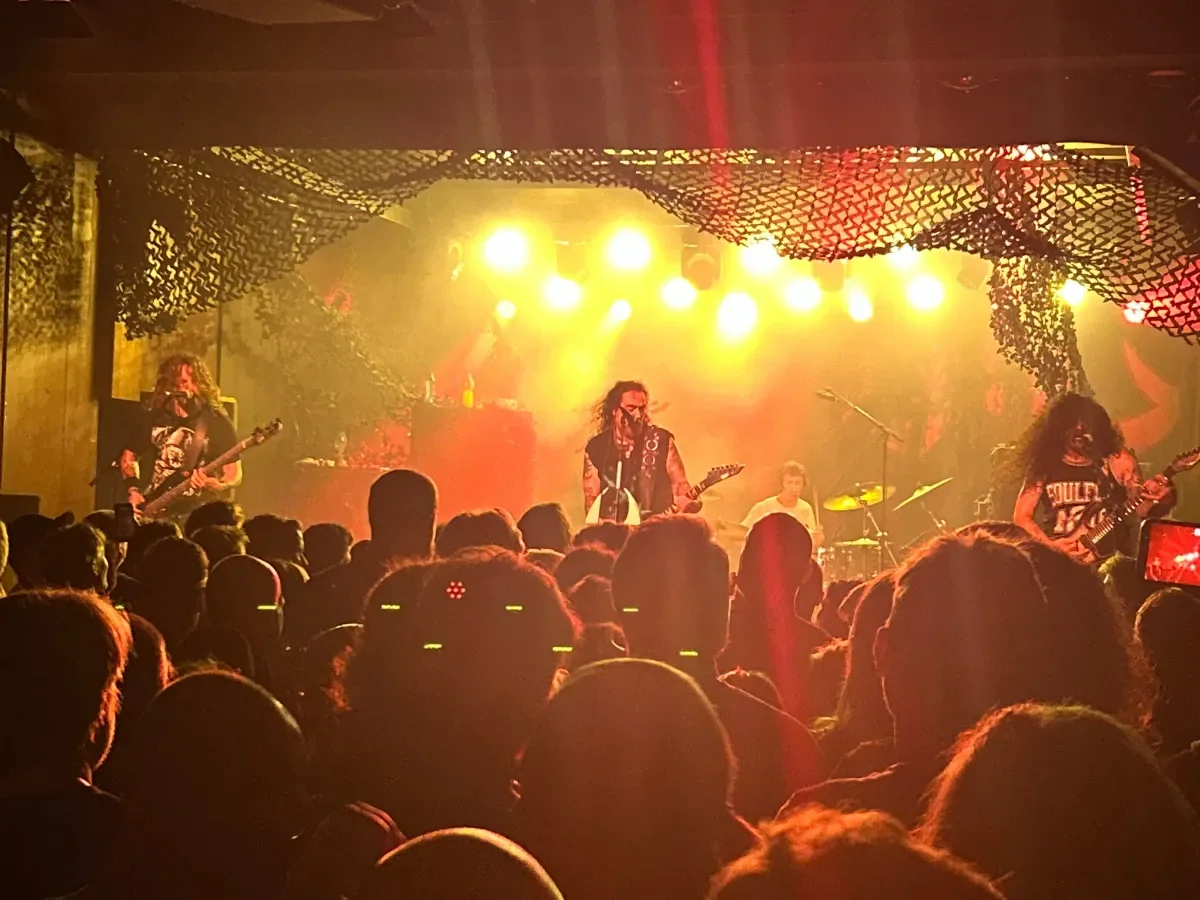
Can a metal show still feel like family, ritual, and a little bit of noisy therapy all at once? On Tuesday night at Lille Vega, Soulfly gave a pretty clear answer: yes — if Max Cavalera is allowed to run the show, and if the crowd shows up with both ears and spine in place.
Medina brought generations and festival types together in Valbyparken for a shared, hoarse folk celebration at Syd for Solen 2026.
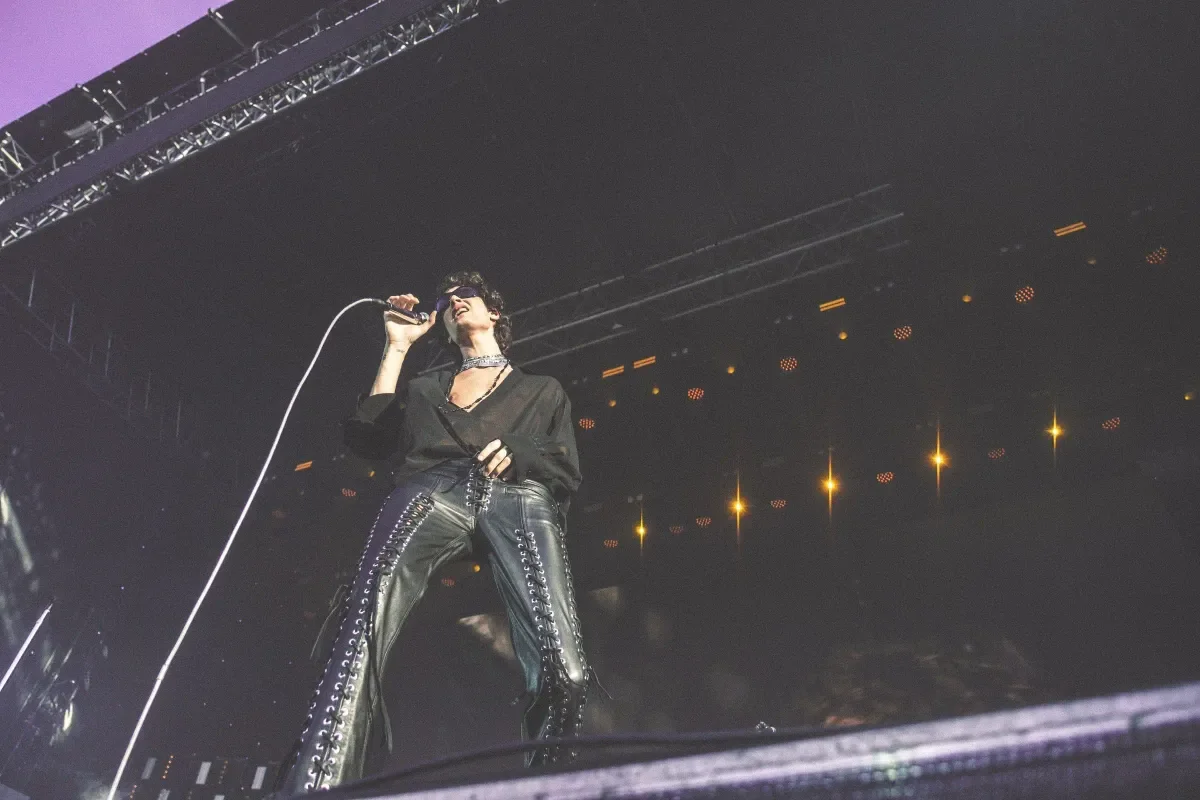
sombr brought leather, the Danish flag, roses and a leap into the sea to Syd for Solen. The show was big, but the songs never quite found their climax.
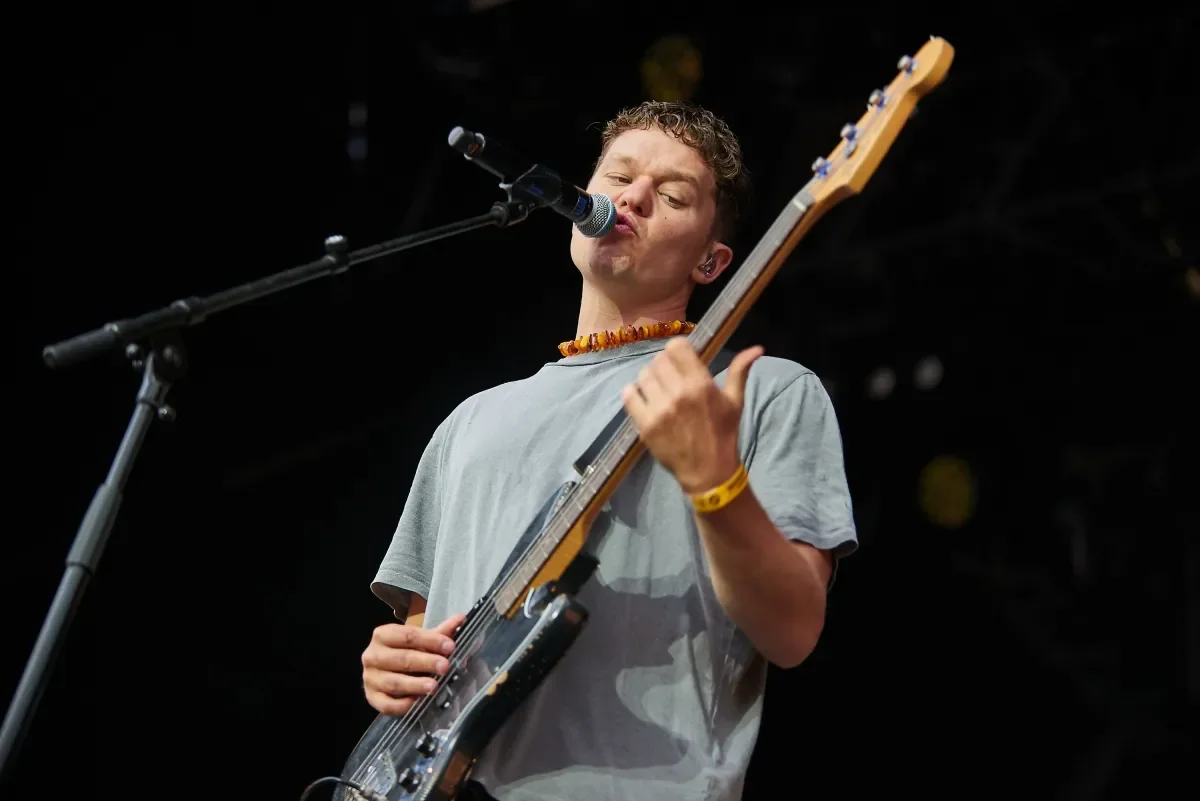
Some frontmen walk onstage. Martin Hedegaard arrives like a man who’s been given five minutes to prevent a minor natural disaster. On Ankermyr, he stood in a grey T-shirt with a battered Mustang bass slung over his shoulder and raindrops hanging in the stage lights. He sang, played and conducted the whole place with his entire body. SAVEUS wants to save love, the provinces, pop music and possibly the municipal emergency plan all at once. That could be unbearable. This night, it was convincing.
Wonderfestiwall has now put Benjamin Hav & Familien on the bill in 2022, 2024 and 2026. At this point, it’s no longer booking. It’s a service interval. Every other year, the disco balls, the knee joints and the nation’s tolerance for choreographed silliness have to be checked over.