Language
Tryk Enter for at søge eller X for at lukke.
Featured articles
You feel Valbyparken before you properly hear it. The dry grass, the late-summer heat and the fine dust rising from the paths, slowly finding its way into shoes, skin and throat. Syd for Solen is a festival that looks broad on paper, yet still has a distinct musical temperature. There is room here for Danish-language melancholy, new rap, experimental R&B and a reunion many have been waiting nearly a decade for. Saturday gave us five very different experiences — from the soft opening to the big nostalgic finale.
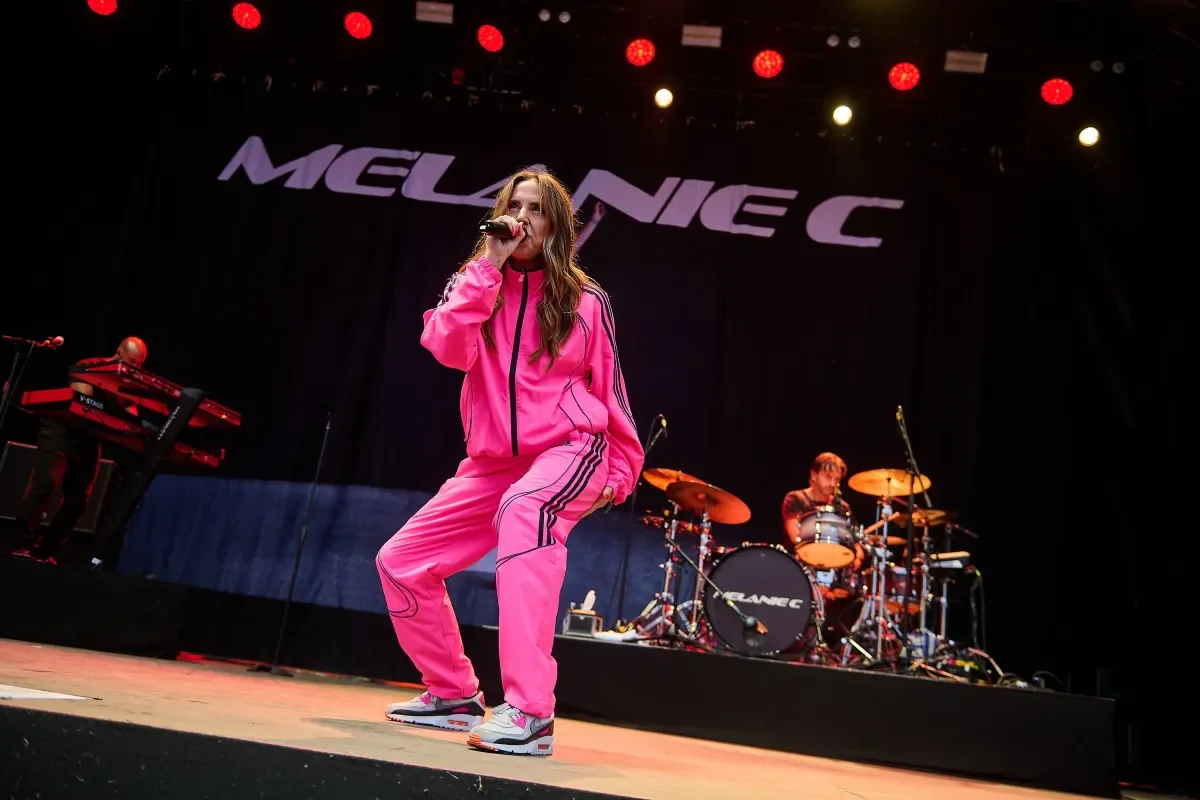
Honestly, I’d hoped for a proper pop explosion. Instead, I got something that felt more like a 90s fitness video with festival wristbands and a drummer who was only halfway convinced. Mel C at Wonderfestiwall 2026 should have been Saturday’s big international moment. Instead, it became a concert that seemed to sweat a little in its own nostalgia.
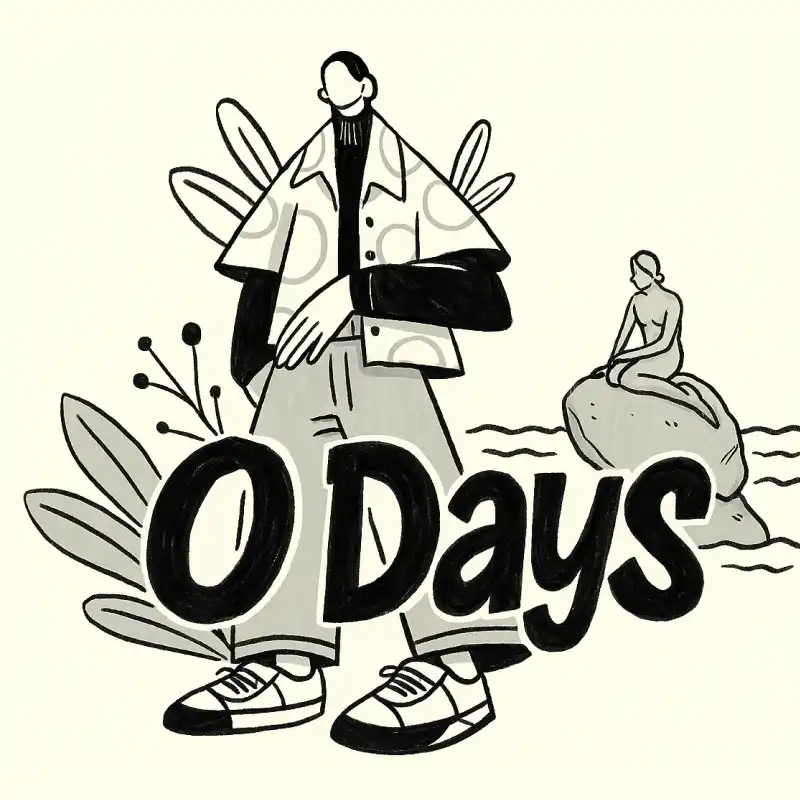
Two weeks after releasing Emotional Junglist, Nia Archives took over the Omni stage at O Days 2026 with her own leather sofa and a set that turned Refshaleøen into one giant dancing organism. We were in the crowd. Here’s our review.
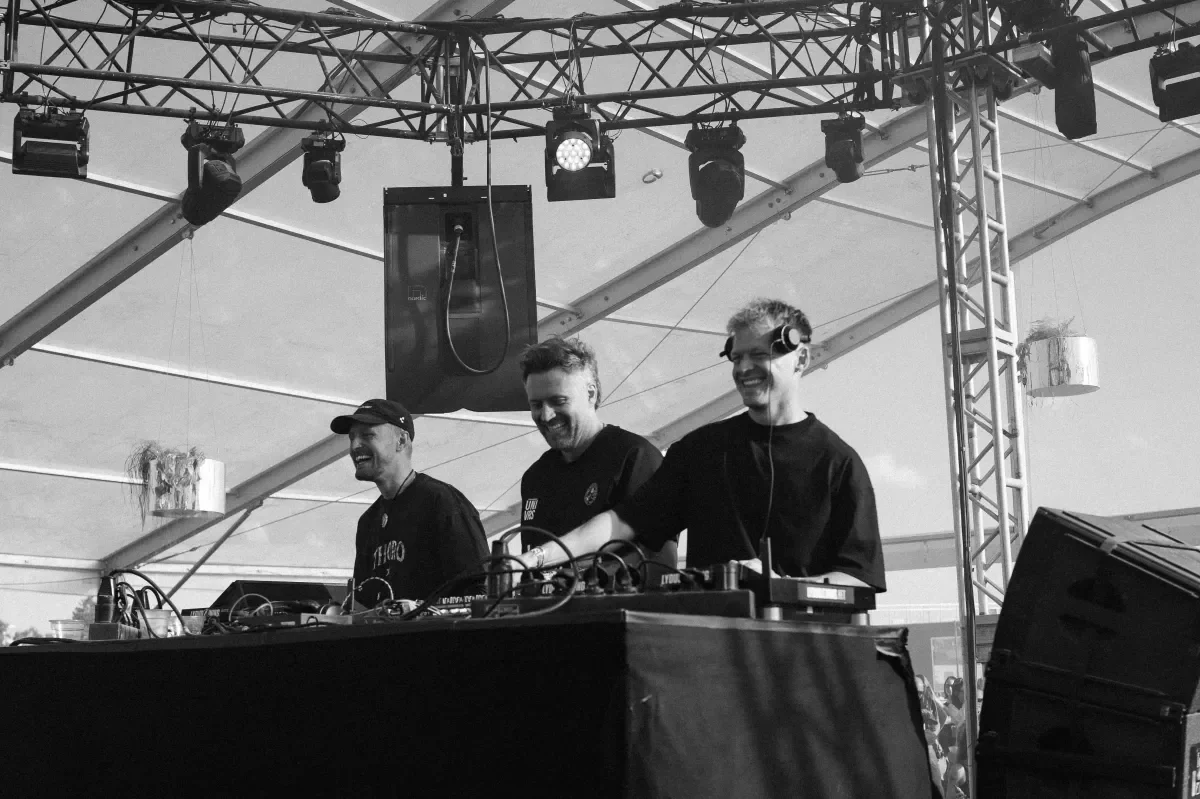
Electronic music has always had that peculiar ability to make national borders feel a little unnecessary. Tripolism are a good example: in just a few years, Bryn, Frederik and Rasmus have moved from the Danish scene’s more insiderish circles to lineups where Coachella is not just a dream, but a recurring address. At O Days, they stood in Orangeriet on a Saturday afternoon and proved that world-class can also smell like sun-warmed grass and festival dust.
Honestly, I expected a game that would lean so heavily on Bond mythology it would buckle under its own weight. Instead, IO Interactive has made something far more interesting: a game that knows its tuxedo, but also knows when to roll up the sleeves. 007 First Light is both grand and playful, and it feels as if Danish game development has just grabbed a global franchise by the lapels and said: “Relax, we’ve got this.”
Friday at Roskilde can be a strange beast. Some people are ready from early morning; others are still drifting around as if their bodies have only just realised they’re at a festival. Mille stood right in the middle of it all on Arena with a confidence that suited her. The concert needed a moment to pull the audience in, but once it found its space, there was plenty to like.
Rain poured down over Roskilde, and Arena was packed to the rafters. Some people sheltered under the tent canvas; others slowly soaked through without quite giving up. It could have turned into a heavy afternoon. Instead, Guldimund became a reminder of how much can happen when a concert doesn’t try to fill every corner, but simply dares to stay close.
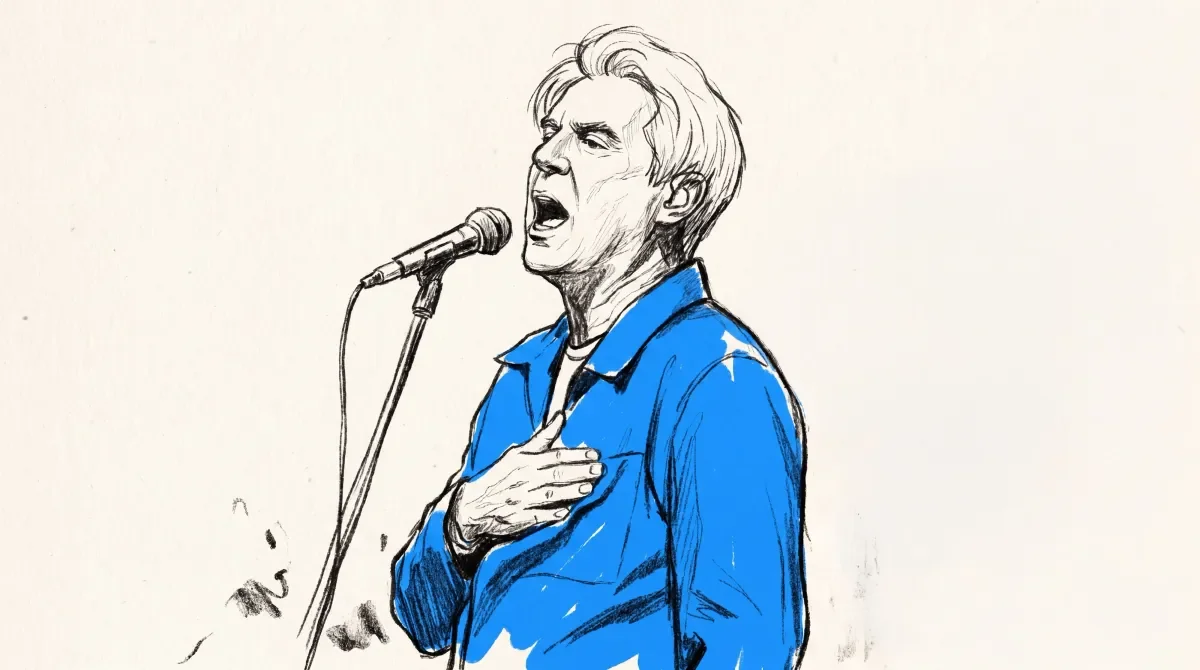
David Byrne was one of those bookings at Roskilde that made the whole programme look smarter just by being there. A living legend, yes, but thankfully not in that museum-piece way, where you pay to watch a man reminisce about himself. At Arena, we got something stranger and better: a concert that behaved like a performance.
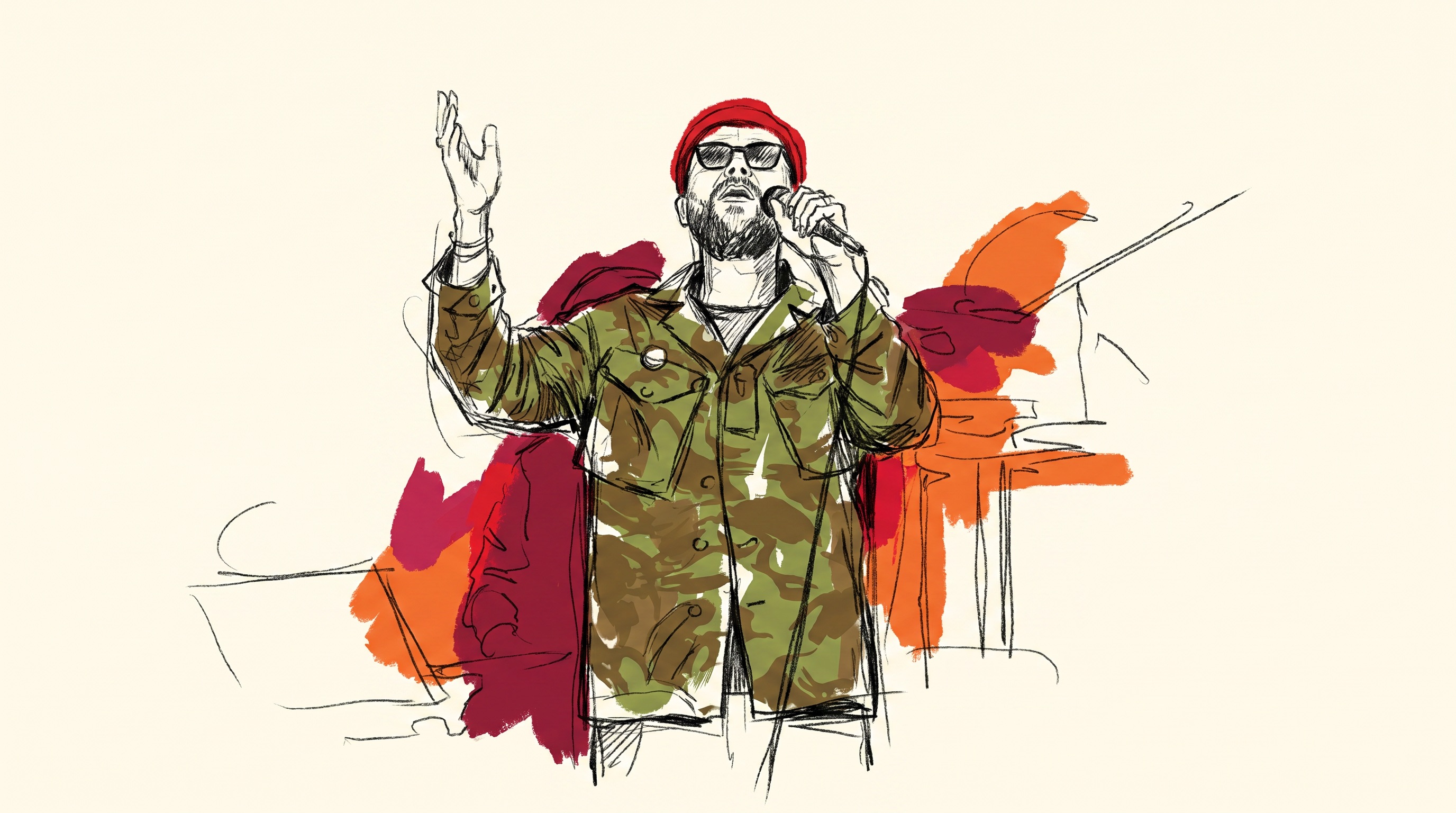
Gorillaz should be a sensation. The virtual cartoon band. The myth. The big songs. The strange universe. The whole package. Instead, there I was at Roskilde, watching Damon Albarn wander around with his megaphone and thinking: is this still Gorillaz, or has someone just handed a British polymath Orange Stage as a summer house?
Saturday is always a little different at a festival. The body is worn down, the voice has been sanded to a rusty nod, and by now you know the shortcuts between the stages a little too well. In return, it’s the day when you stop chasing the schedule and let the festival come to you. And that’s exactly what happened. Saturday delivered one of the year’s most talked-about bookings, a reunion with real Californian punk, and a Copenhagen trio proving that you don’t need big gimmicks to make Helviti boil.
Festival season is officially underway. There’s something special about the first day at Copenhell. The asphalt hasn’t yet been coated in four days’ worth of beer, your voice is still more or less intact, and the battle vests look almost freshly washed. Wednesday is the day you have to remember how to walk 25,000 steps with a pint in your hand. And this year’s opening certainly didn’t disappoint.
John Martin walked onstage as the man many of us know best as the voice behind other people’s biggest moments. But at Festegnen, something funny happened: suddenly Swedish House Mafia felt almost like a feature on his concert. Not the other way around. It was huge, warm, a little absurd, and far more moving than I had expected.
You have to be careful about mocking Scooter. It sounds like a joke, but it isn’t. I mean that almost religiously. Because there you stand, grown-up, tired and more or less civilized, thinking you’ve developed into someone. And then H.P. Baxxter walks onstage, and your entire personality is reset by fire, hardstyle and German rave command.
My worst nightmare has always been the try-hard festival uniform: cheap beer, mass singalongs, ’90s nostalgia and grown adults dancing as if their debit cards won’t be frozen until tomorrow. But at Festegnen, something annoying happened. It worked. Not all the time. Not without a few near-criminal detours. But enough that you had to admit Vestegnen has, in fact, gotten its own festival.
Four days of legends, nu-metal nostalgia, Swedish death metal and bands you either want to die on a hill for or have never quite understood. We’ve gathered the names, the chaos and the concerts that are likely to define this year’s Copenhell.
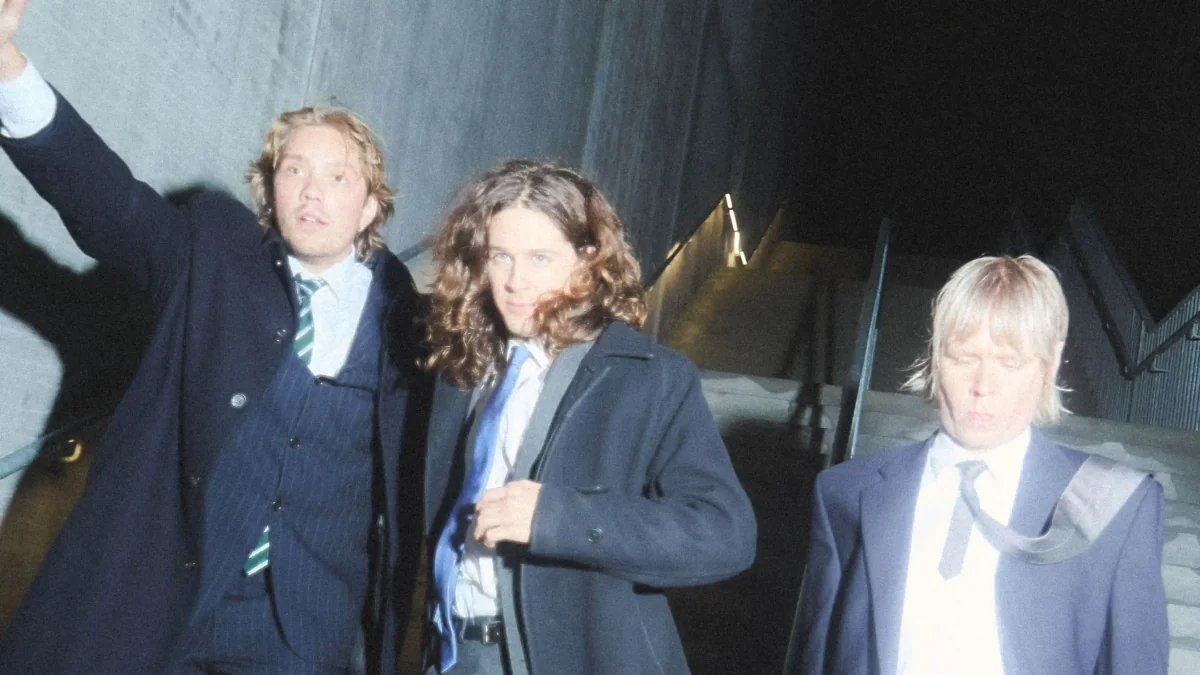
I expected Farveblind to make a racket. They do. But Micro Pleasures does something rarer: it makes a racket with purpose. Three men in suits, a studio on Tagensvej, a distortion knob and the idea that small pleasures may be the last taxable income we have left. I expected energy. I did not expect to be sitting there on my fourth listen thinking: this is the year Danish music stopped apologising for itself.
There are works you don’t just revisit. You enter them again, the way you step into a room where someone once said something important. Another Brick in the Wall, Part 5 at Royal Arena is that kind of experience. Big, dark, precise, and carried by music that still has dust, anger, and human loneliness clinging to it.
O Days 2026 looks like a festival that has understood something essential about itself — and dares to turn it up. It’s not necessarily the most commercial names that give the programme weight, but the way the bookings speak to one another. With Disclosure, Joy Orbison, Nia Archives, Mall Grab, Buraka Som Sistema, The Dare, Swimming Paul and Tripolism, this year’s lineup points toward something clubby, precise and unusually well curated. Read on to see exactly why.
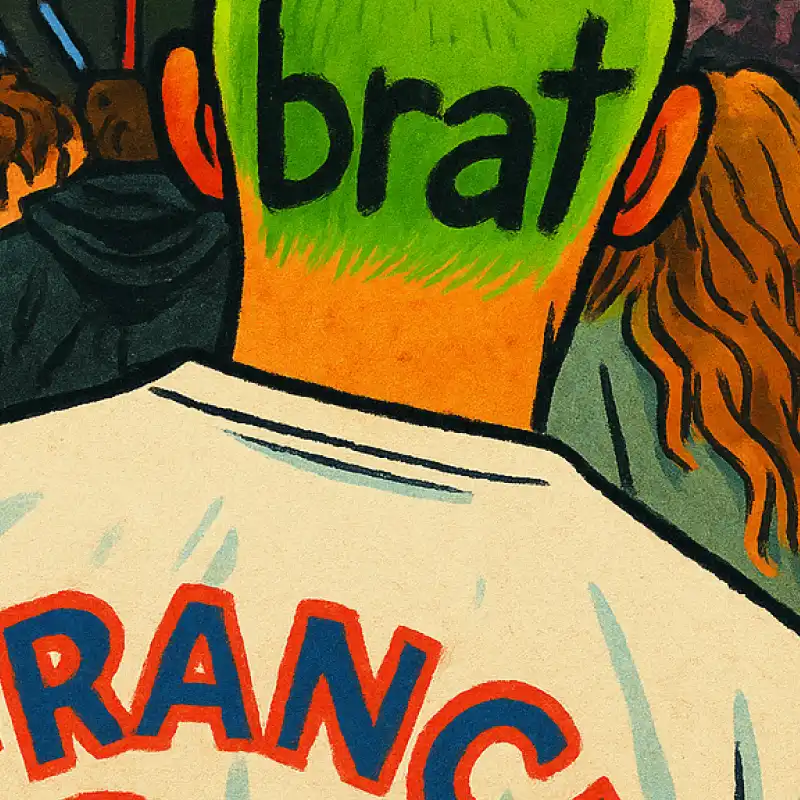
At its core, The Moment is a film about how hard it is to make something raw, authentic and personal in a world where labels, brand partners and capital are always ready to turn art into strategy. It’s a story about an artist fighting to keep ownership of her own creation, even as it grows so huge that it can barely be controlled anymore. In the film, BRAT becomes not just a success, but a monster of meaning, hype and money — and Charli XCX stands right in the middle of it all, still trying to recognise herself.
You could feel it from the first drum hit: this was not a cosy night out. SPLIT:TED and ZIMA took the stage at Rust as if they had already played there ten times before — and the most provocative thing was almost how effortless it looked. The question wasn’t whether they could do it. The question was who would leave with the sharper edge.
There are concerts, and then there are shows. Jason Derulo chose his side long ago. On the Last Dance Tour, Royal Arena was turned into a pop theatre where fire, dancers and LED surfaces mattered just as much as the melodies. And maybe that is exactly the point. When you have 17 years of radio hits behind you, it is not enough to simply walk on and sing them. You have to stage them. And Derulo does — uncompromisingly.
Some concerts are played. Others happen. Holdo at Ideal Bar was the latter: dark, intimate, physical. Electronic music without explanations, without distance. Just bodies in motion and a restless energy that refused to let go of the room.
I had almost forgotten how slow a game can be — and still feel intense. Metroid Prime 4: Beyond is not interested in pleasing an algorithm or keeping you constantly entertained. It wants your time, your patience, and your attention. And if you give it that, you get something that feels rare in 2025: a game that dares to trust silence, structure, and weight.
There are pop groups that play concerts, and then there is Kalaset, who stage emotional rendezvous with their audience. At Falkonersalen on November 20, it felt as if everyone under 30 knew every word — and as if the band, without saying it outright, was trying to prove that Danish indie pop can still be grand, vulnerable, and full of youthful seriousness.
Watching Now You See Me 3 in 2025 feels a bit like opening a time capsule nobody had missed, only to stand there snickering as old celebrities tumble out of it. It’s not the comeback the world had been begging the universe for — but it is one that taps you on the shoulder and reminds you why this crew was cult in the first place… and why you still fall for their tricks, even though you really ought to be too old for this by now.