Some concerts demand that you know the songs. Others only ask that you let go. Young Miko delivered a show where language quickly mattered less than rhythm, bass and the effortless confidence she brought to the stage. It was cool without feeling calculated, and that was exactly why it pulled you in.
One star
Two stars
Three stars
Four stars
Five stars
Disclaimer: Apropos Magazine received access or a review copy. As always, we share our own impressions — unfiltered.
Six stars
Young Miko had an effortless coolness that gave the concert its own space almost immediately.
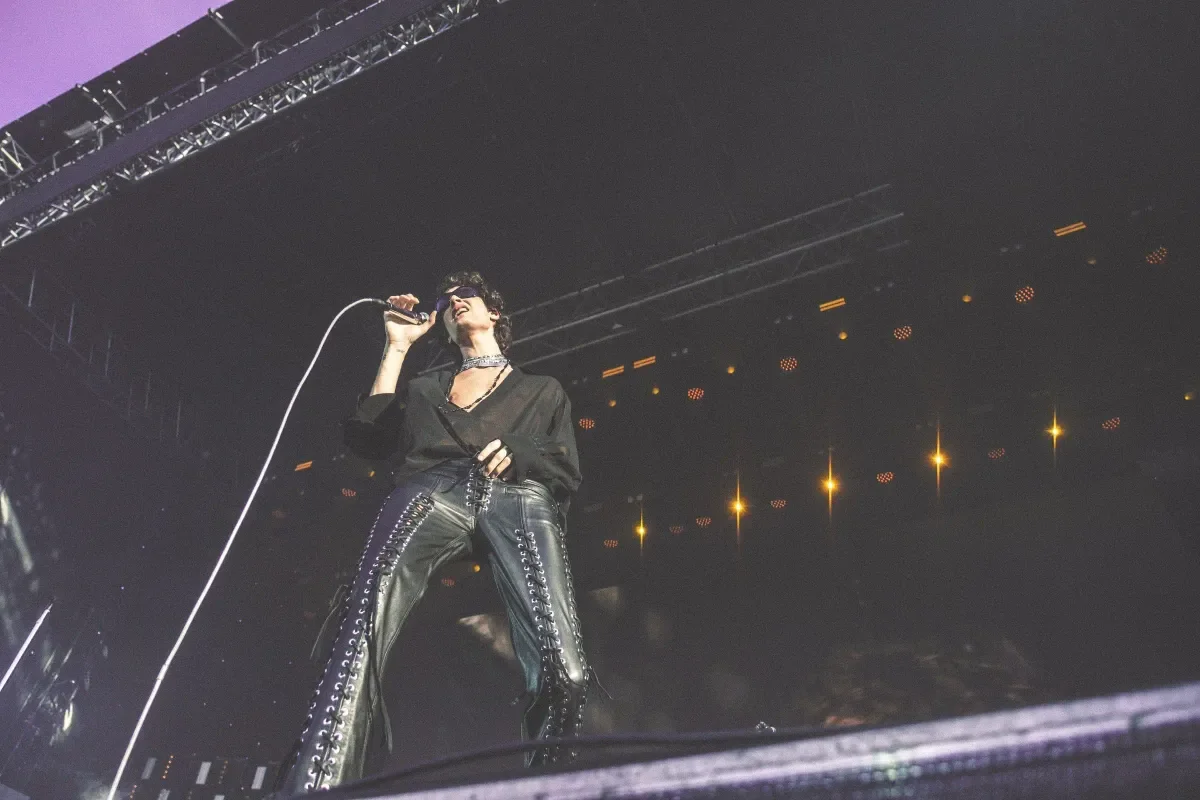
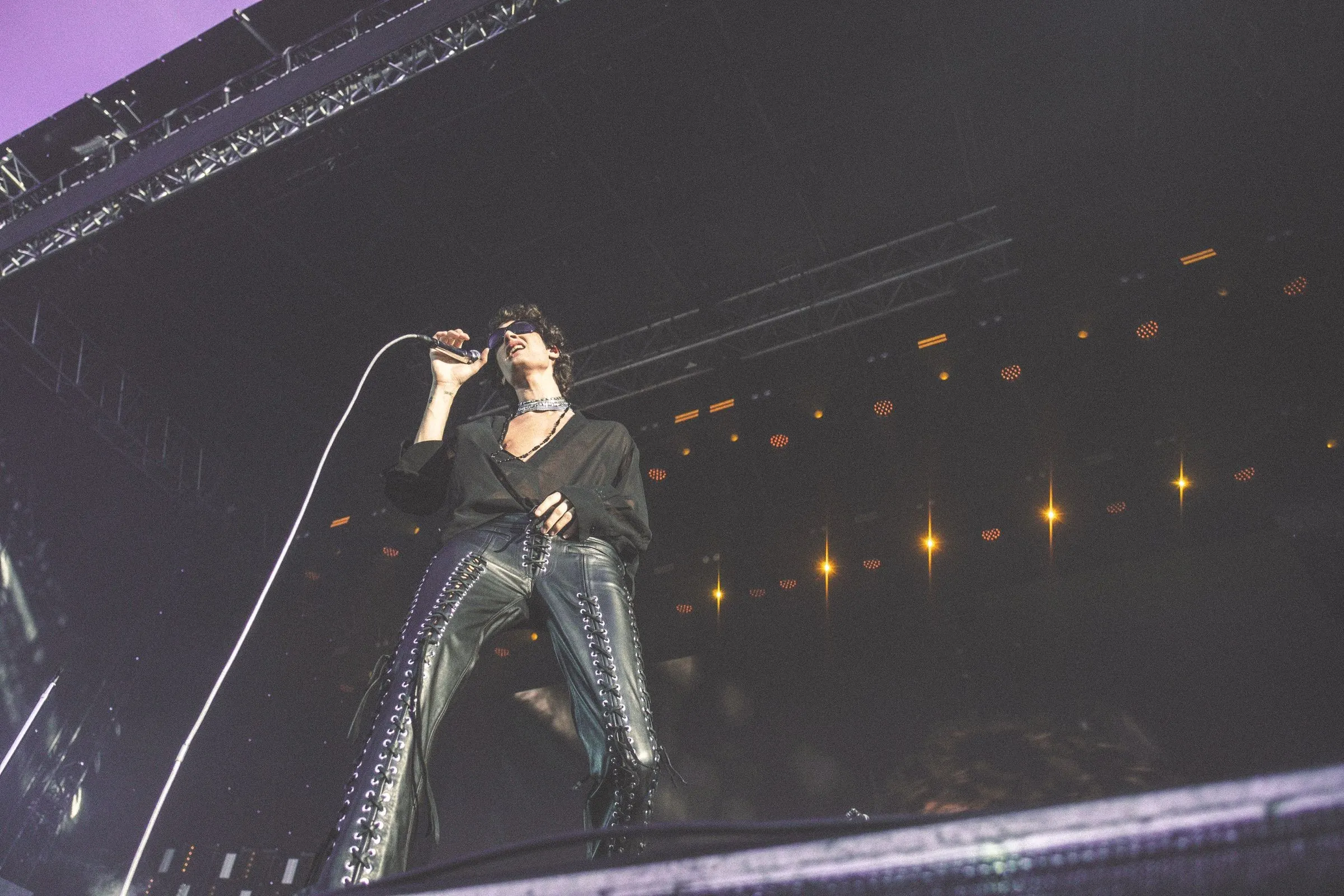
She stood on stage with a confidence that never felt forced. Not like someone trying to convince the audience she belonged there, but like someone who simply knew it. There is a particular kind of stage energy that appears when an artist does not need to push to fill a room. Young Miko did the opposite. She stood calmly in it, let the music breathe and still made the whole place move.
For many in the crowd, language was probably a barrier. The Spanish slipped past without necessarily being understood word for word. But very quickly it also became clear that this was not where the concert’s real connection lived. It was not about following every line. It was about feeling the rhythm, letting the body understand what the head could not translate, and surrendering to the energy coming off the stage.
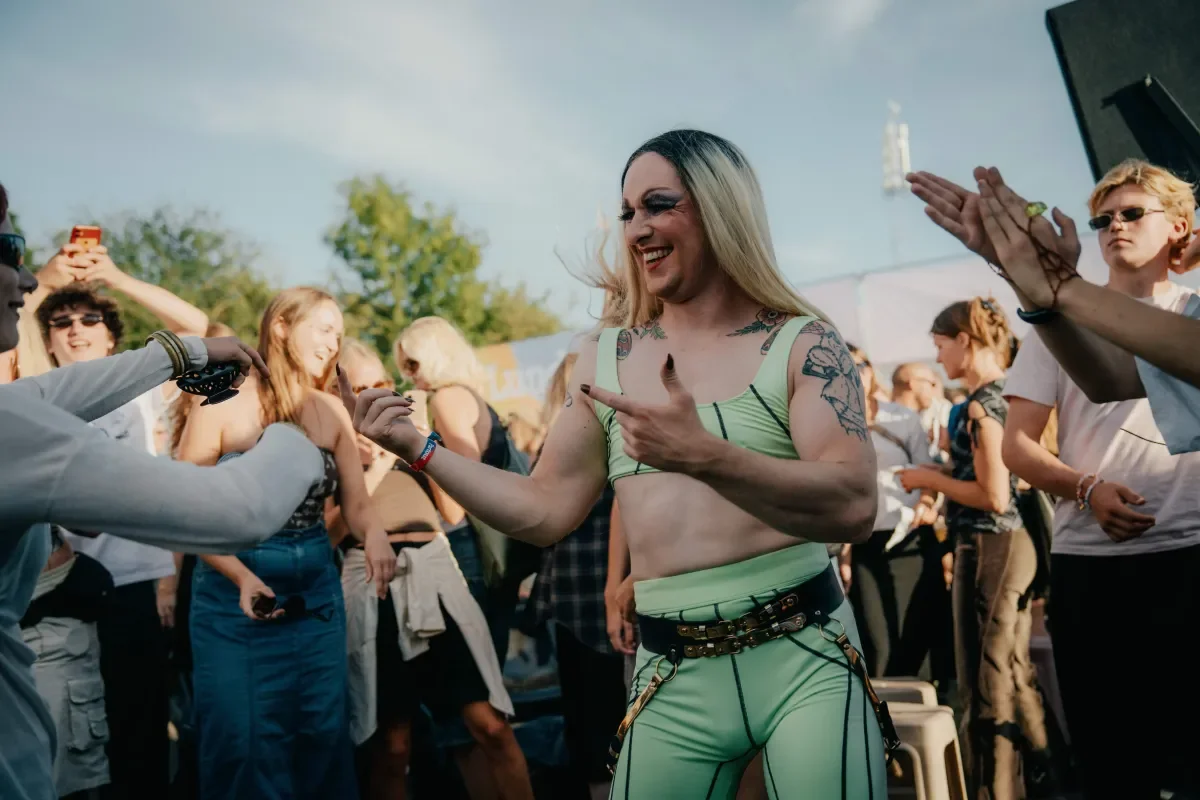
The reggaeton rhythms did the rest. The crowd began to sway in time, hips followed the bass, and hands shot into the air without it ever feeling like something anyone had to be told to do. Hair was tossed from side to side, feet started moving, and the concert slowly turned into one big dance party. Not in the explosive way, where everything erupts at once, but as a warm current spreading through the audience.
There was something liberating about that. You could stand there without carrying the full universe of lyrics with you and still feel invited in. Young Miko created a concert where you did not have to pass a test to take part. You only had to listen, move and let the rhythms take over. That is one of the things festivals can do when they work at their best: open a space where you can meet music without first understanding everything around it.
The light show supported the concert’s energy without stealing focus. It was well composed, alive and helped give the show the glow it needed, but it never became more important than the person at the centre. Young Miko had a natural calm that is hard to stage. She simply seemed incredibly cool, without ever looking like she was trying too hard.

That was the concert’s greatest strength. It felt light, but not insignificant. Effortless, but not random. There was control in the way she moved through the set, and at the same time an openness that let the audience find their own way in. Some sang along. Others danced. Some just stood there and slowly gave in. But you could feel the concert drawing more and more people in as the rhythms settled into their bodies.
I can usually find that reggaeton over the course of a whole concert risks blending together. Not because the rhythms do not work, but because the energy can settle into the same register and become hard to distinguish from one song to the next. But Young Miko kept the variation alive. She shifted enough in mood, tempo and intensity for the concert to keep feeling in motion.
This was not a concert that needed to be explained to death. It worked because it did something very direct. It got people dancing, smiling and letting go of control a little. There was no need for grand speeches or heavy-handed gestures. Young Miko had the music, the rhythm and the kind of stage presence that makes you want to stay put.
So what?
Young Miko reminded us that the best concert experiences are not always about understanding every single word. Sometimes it is enough that the rhythm lands just right, and that an artist stands so securely in herself that the audience dares to follow. At Roskilde, language never became a wall. It was just another part of the movement the body had already said yes to.
En stjerne
To stjerner
Tre stjerner
Fire stjerner
Fem stjerner
Seks stjerner