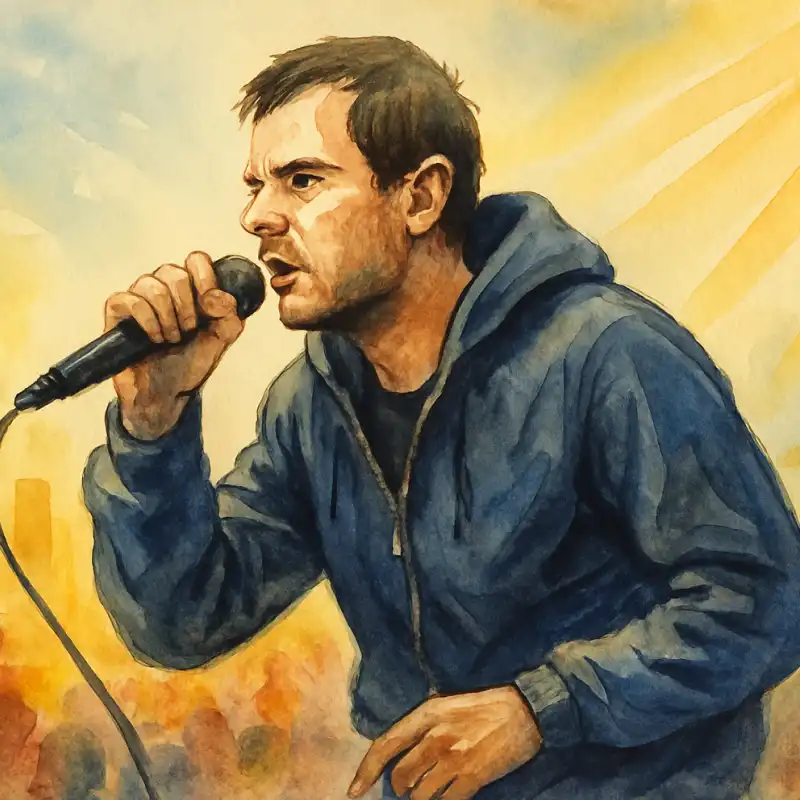
I wasn’t expecting to use the word cozy about Napalm Death. It feels almost like calling an angle grinder caring. But at Eos, something strange happened. In the middle of the noise, the growl and the political poison darts, Mark “Barney” Greenway stood there in blue braces looking like the kindest man in the world — right up until he opened his mouth and sounded like civilization’s last coughing fit.
One star
Two stars
Three stars
Four stars
Five stars
Disclaimer: Apropos Magazine received access or a review copy. As always, we share our own impressions — unfiltered.
Six stars
Napalm Death at Roskilde Festival 2026 became the coziest grindcore show I have ever seen. That sentence shouldn’t work. It should short-circuit language. But it does.
There they were on Eos, one of extreme music’s most uncompromising names, delivering a concert that was violent, political, silly, inclusive and, in a strange way, almost familial. Not familial as in “bring the kids and buy a churro.” More familial as in an uncle who has read Noam Chomsky, hates greed, loves openness and suddenly starts roaring like a broken concrete mixer.
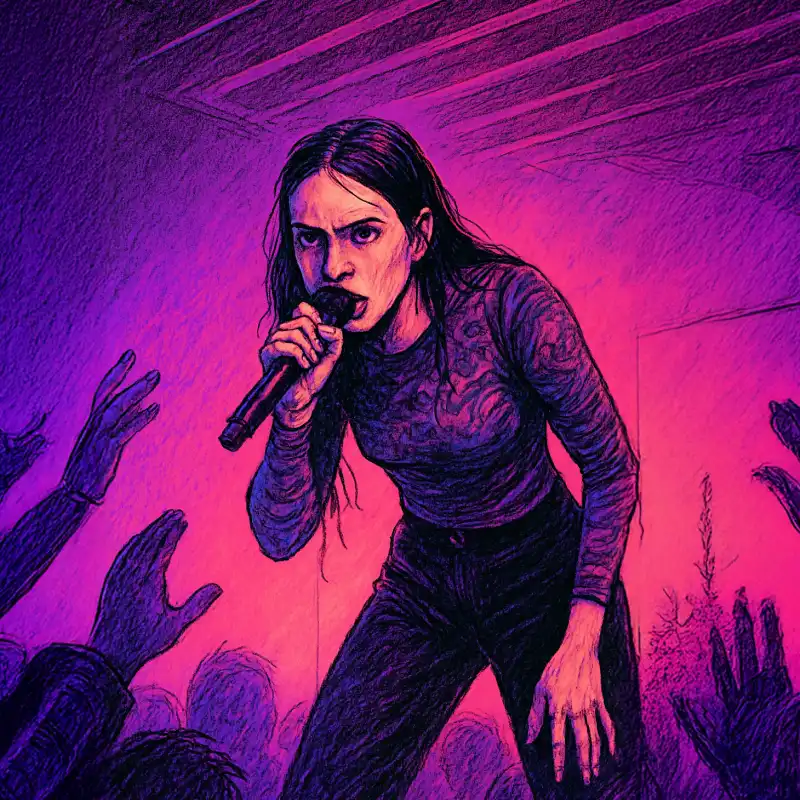
Frontman Mark “Barney” Greenway took the stage with a calm that was almost absurd given the sound. He did not look like a man about to tear a hole in Eos. He looked like a British gentleman on his way to explain why tea needs to steep properly. Blue braces. Friendly face. Little anecdotes between songs. Dry humor. Political indignation wrapped in the kind of warmth you usually do not associate with songs that sound as if they were recorded inside an industrial washing machine.
Between songs, Greenway spoke about openness, religion, sexuality and the right to be different without being crushed by the system. It could easily have become preachy. It didn’t. It was woke without standing there waving a moral certificate. Just a man who meant it. And who could also send a few friendly greetings toward politicians with the dry observation that several of the songs about them had actually been written long before they came to power. Lovely. The hatred was already ready before the LinkedIn profile was updated.
And then the shift happened.
Three. Two. One.
Growl about greed like a contagious disease, refined with soulless poison.
The contrast was glorious. Greenway was so pleasant between songs that you almost forgot what was waiting when the count ended. Then the band exploded again, and Eos was hurled straight into Napalm Death’s special machine room of blast beats, rage and political nausea. It was brutal. Of course it was. But it was never stupid. It was never just noise for noise’s sake. There was a thought behind the beating.
For the uninitiated, Napalm Death’s sound can blur together a bit. Grindcore is not exactly known for holding your hand and saying: here comes verse two, little one. But that is precisely why Greenway’s little introductions worked so well. They gave the songs direction. Not a pedagogical PowerPoint direction, thank God, but enough for you to feel what was at stake before the music smashed all the furniture again.
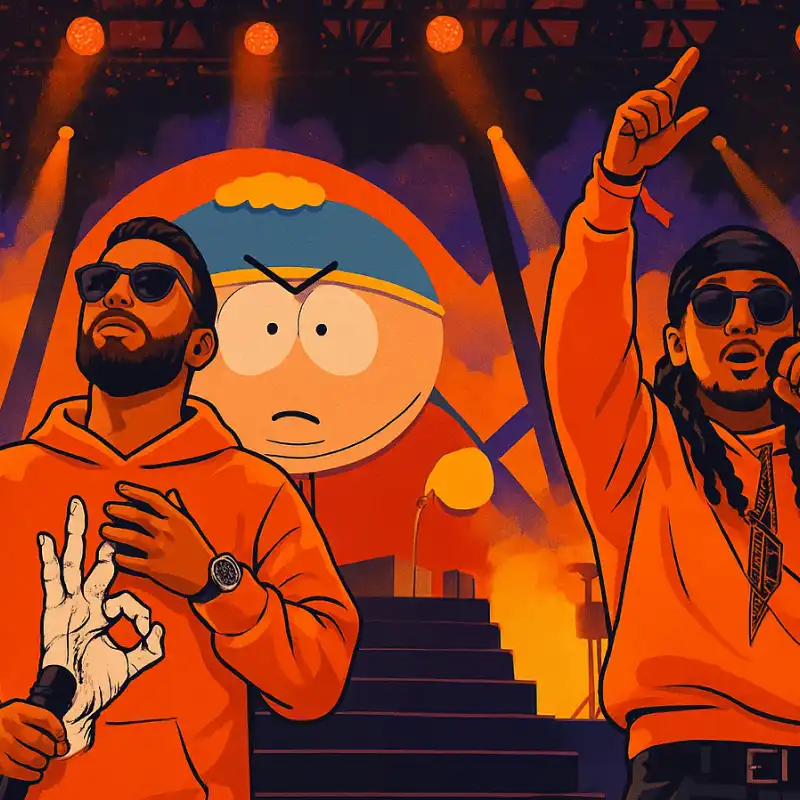
It was also almost like watching a split personality in action as he switched between cozy storyteller and furious grindcore vocalist in a matter of seconds. More than once I found myself thinking of Jim Carrey’s old joke about Napalm Death’s future duet. Not because the concert was a joke, but because there is something fundamentally comic about the gap between Barney’s human gentleness and the sound that comes out of him. It is like watching a librarian turn into a chainsaw. With political conscience.
Eos turned out to be exactly the right setting. You might have feared the intensity would get swallowed on the smaller stage, or that the band would feel crammed into a format too small to hold them. The opposite happened. The crowd stood close. The mood was focused. The concert gained an intimacy that might have disappeared at Arena or Orange. Whether Napalm Death could have flattened a bigger stage, we will never know. Probably. But here it felt right. As if Eos had suddenly been built for exactly this: friendly extremism at high speed.
One of the funniest things was the cultural meeting in front of the stage. Mosh pit etiquette varies surprisingly much from festival to festival, and here it all seemed less coordinated than at many metal shows. No clinical circle running for ritual’s sake. More a loose, slightly confused but affectionate physical negotiation between people who wanted to feel the music without necessarily writing a manual about it. Nice, actually.
And then there was perhaps the festival’s only battle vest. Cute, if someone had gone back to the tent to fetch it specifically for Napalm Death. Respect. That is the kind of thing that keeps culture alive. Not branding. Not nostalgia packages. A vest covered in patches, fetched in a panic because now it matters.
Reflection:
Napalm Death did not just deliver a strong concert. They proved that extreme music can be angry, precise, inclusive and deeply human all at once. It was brutal without being stupid. Political without being heavy-handed. Cozy without losing its teeth. Six stars, because this was Roskilde at its best: a place where a man in blue braces can growl about society’s collapse and make Eos feel like a warm room.
En stjerne
To stjerner
Tre stjerner
Fire stjerner
Fem stjerner
Seks stjerner