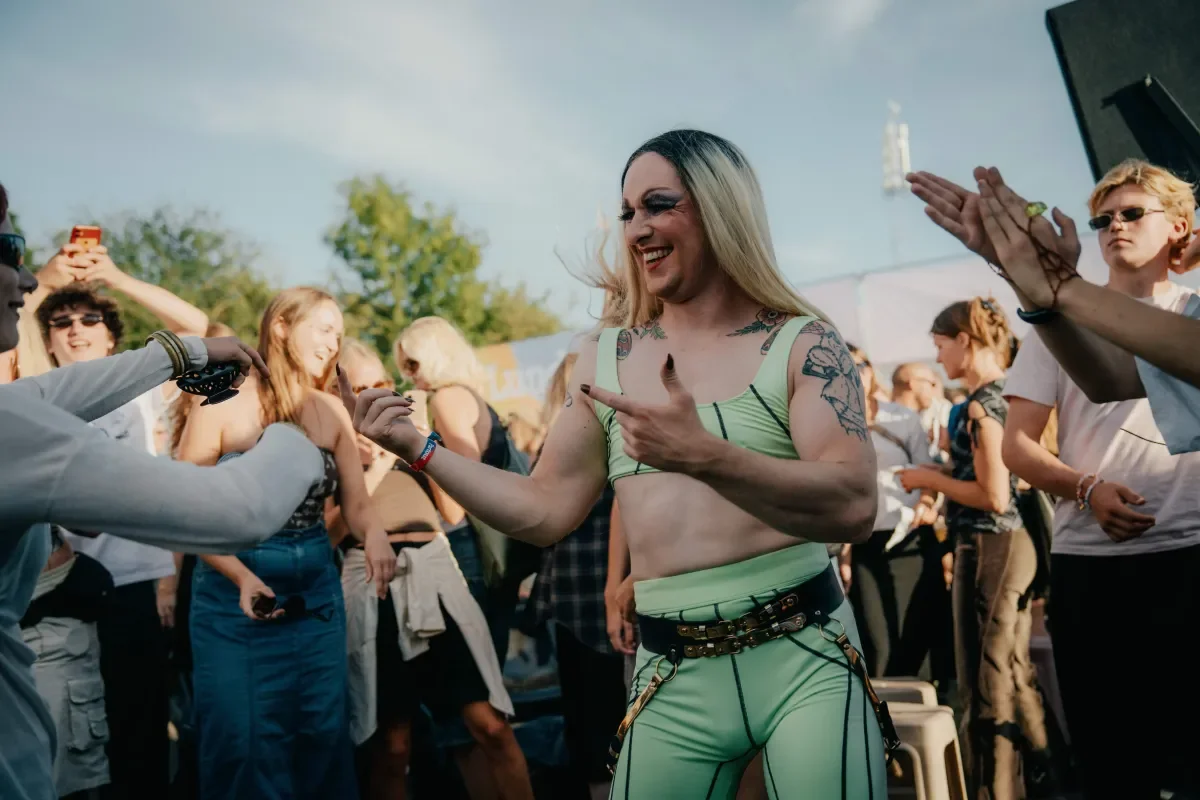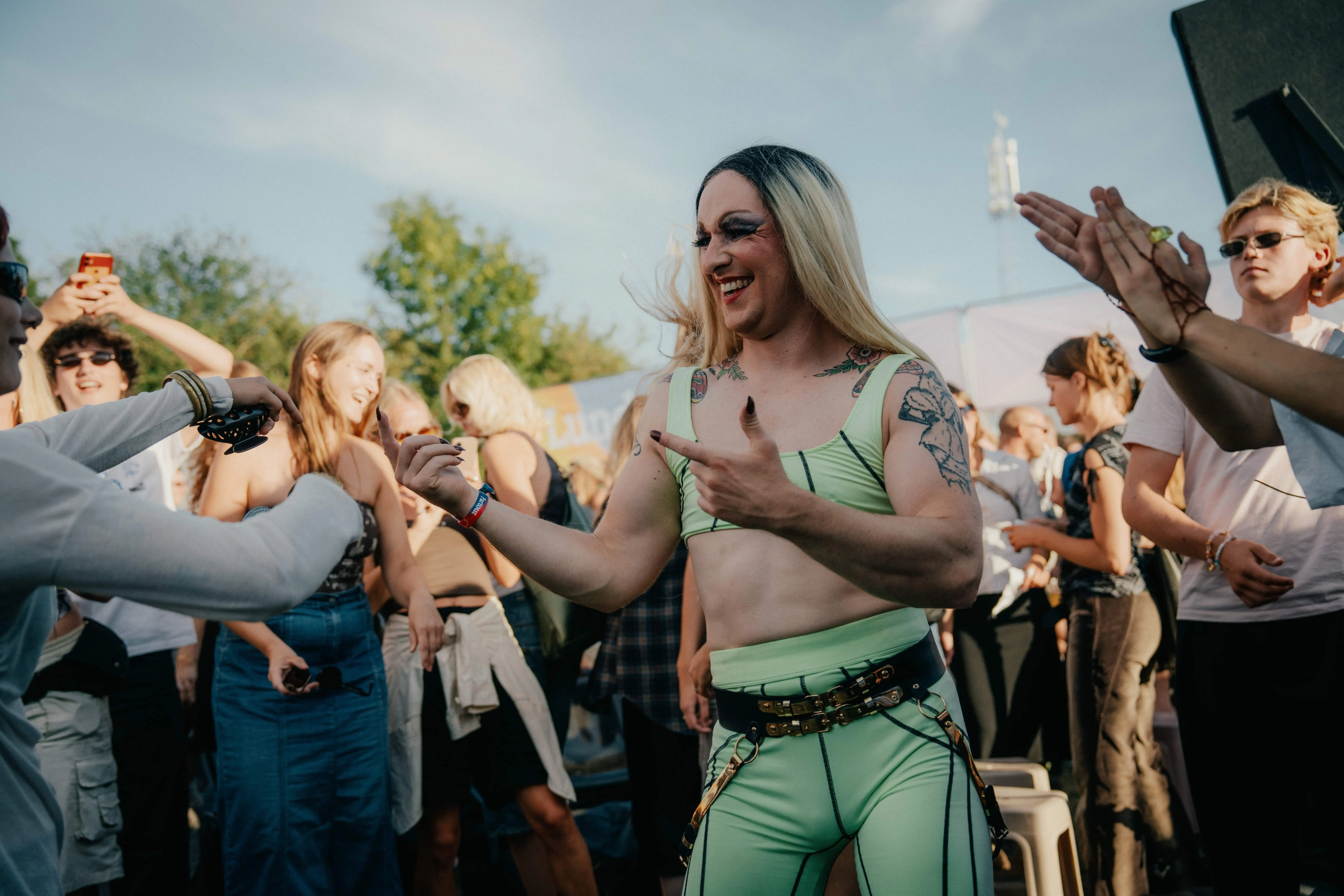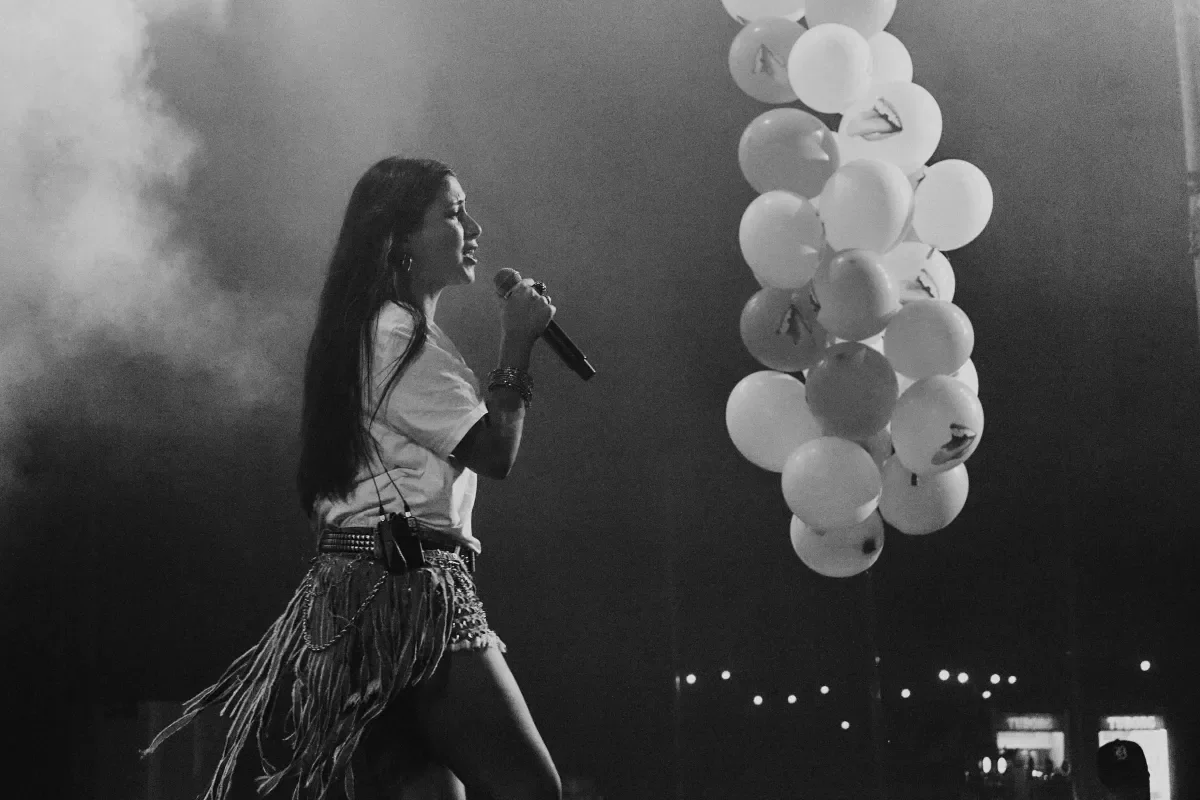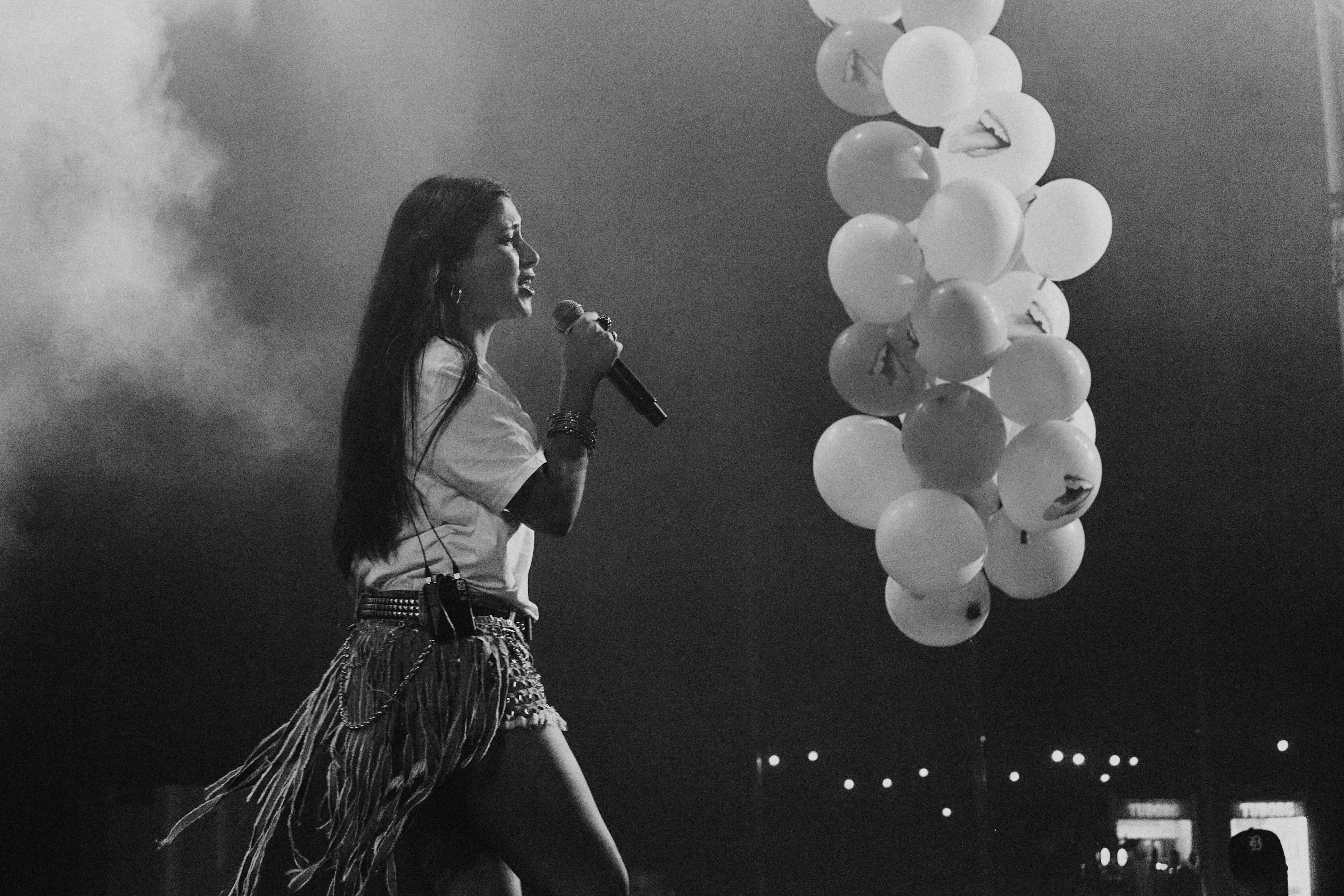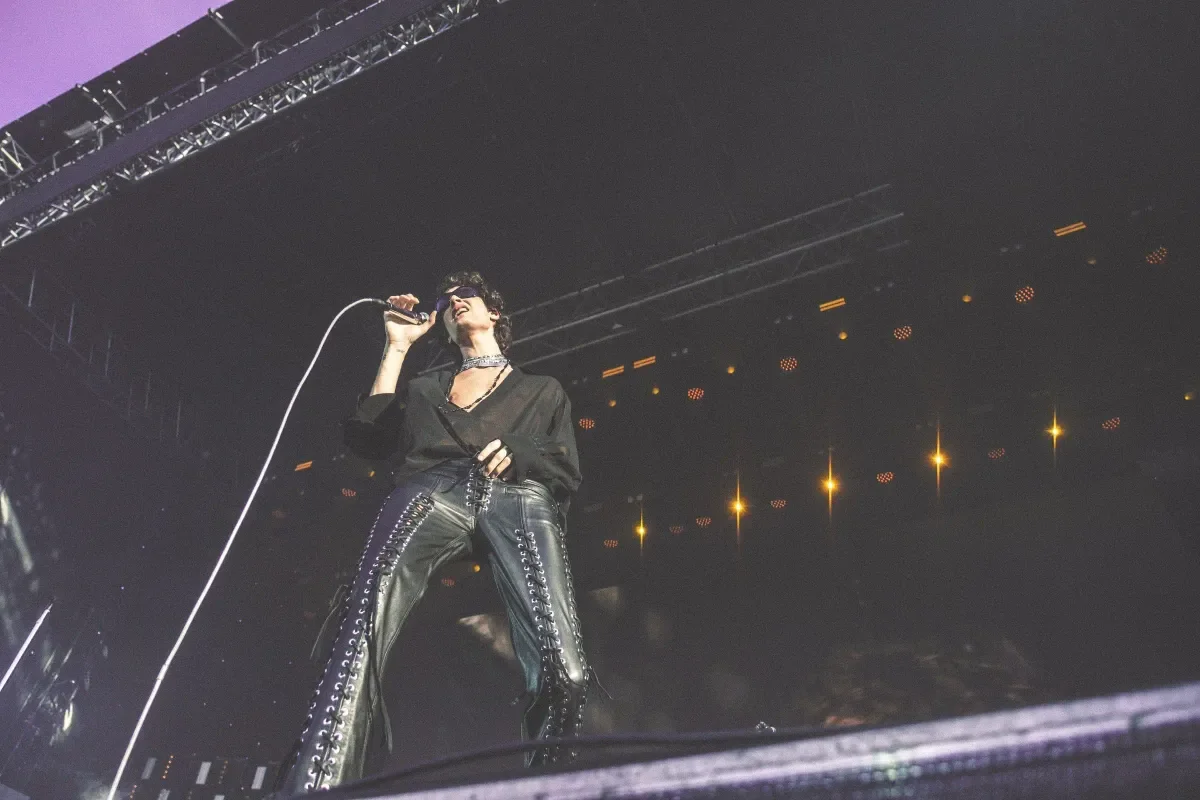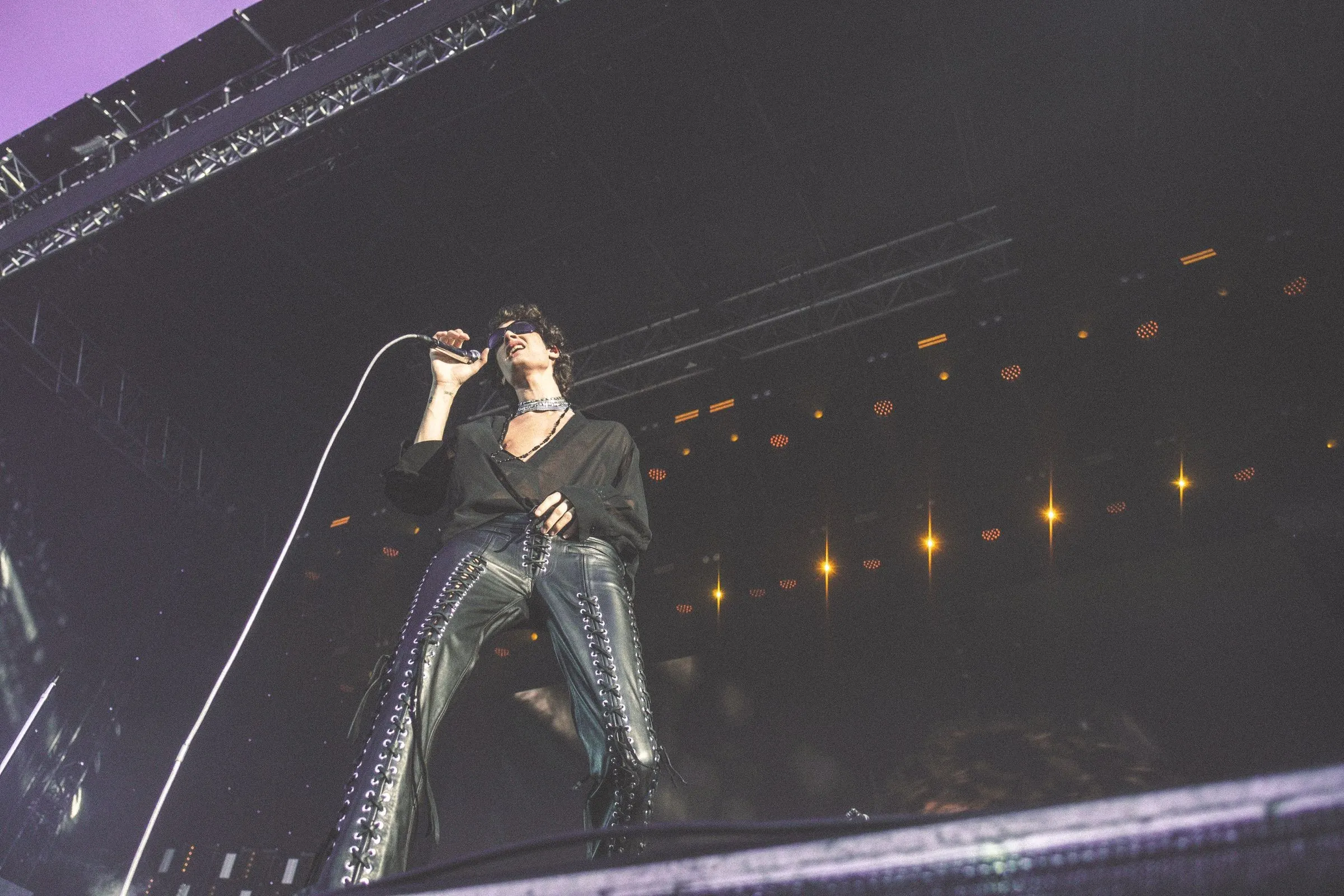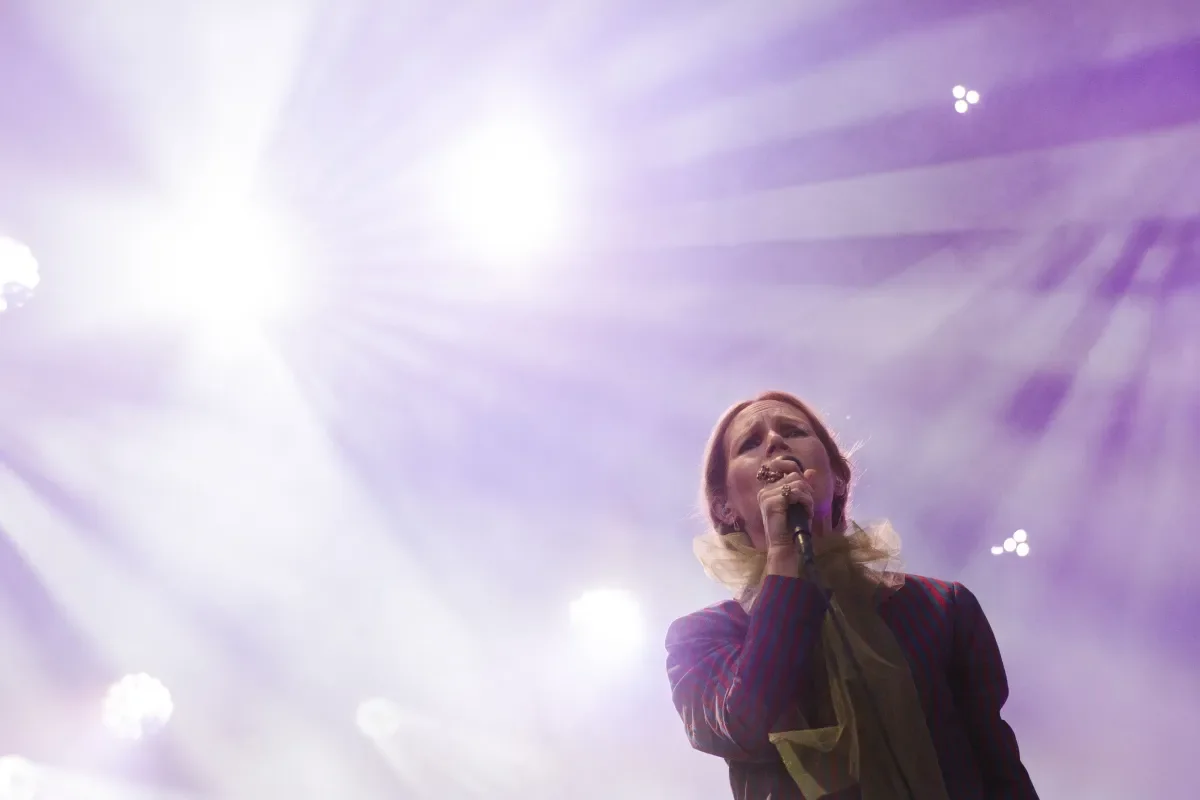
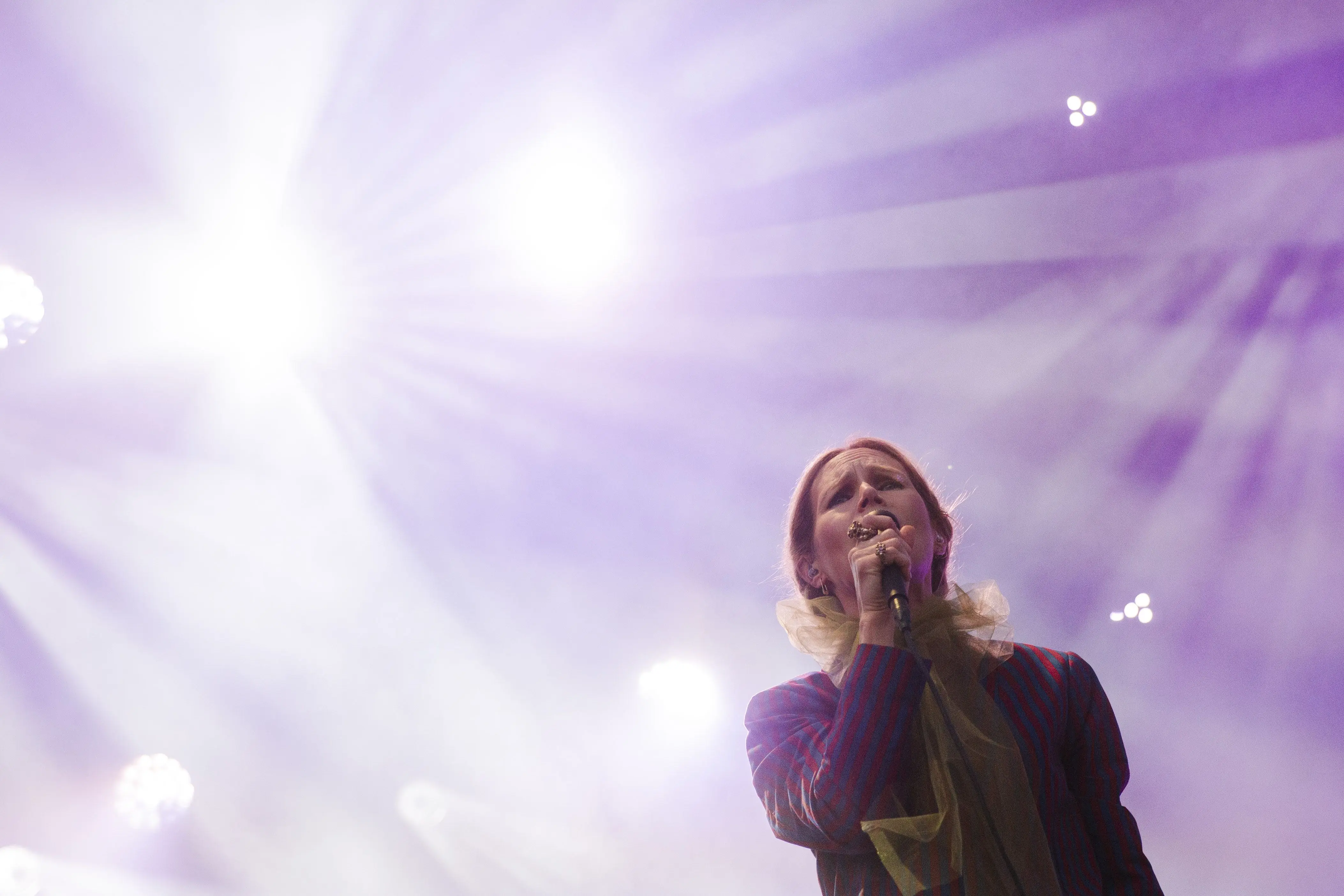
I was standing there with a festival beer and good intentions when The Cardigans took the stage at Wonderfestiwall on Friday around 6 p.m. It should have been a small pop-soaked breather, all Swedish elegance and communal singing in the sun. Instead, it became a concert where you could constantly feel what the audience had come for — and what the band themselves wanted something else from.
One star
Two stars
Three stars
Four stars
Five stars
Disclaimer: Apropos Magazine received access or a review copy. As always, we share our own impressions — unfiltered.
Six stars
The Cardigans are not a band you can reduce to a single hit without doing violence to the story, even if festivals often love exactly that exercise. They were formed in Jönköping in 1992, started out as a quietly understated indie-pop name, and grew through Emmerdale in 1994 and Life in 1995 into the international breakthrough that truly put Nina Persson & co. on the map. Then came First Band on the Moon in 1996 with Lovefool, the song that made even people with only a passing relationship to Swedish pop believe they had an emotional life. Baz Luhrmann’s Romeo + Juliet did the rest.
That is the legacy you carry with you when you go to a Cardigans concert. Not just a catalogue, but a set of expectations that have almost become cultural history. And perhaps that is also why it can feel a little brutal when reality refuses to dance along with your nostalgic reflexes.
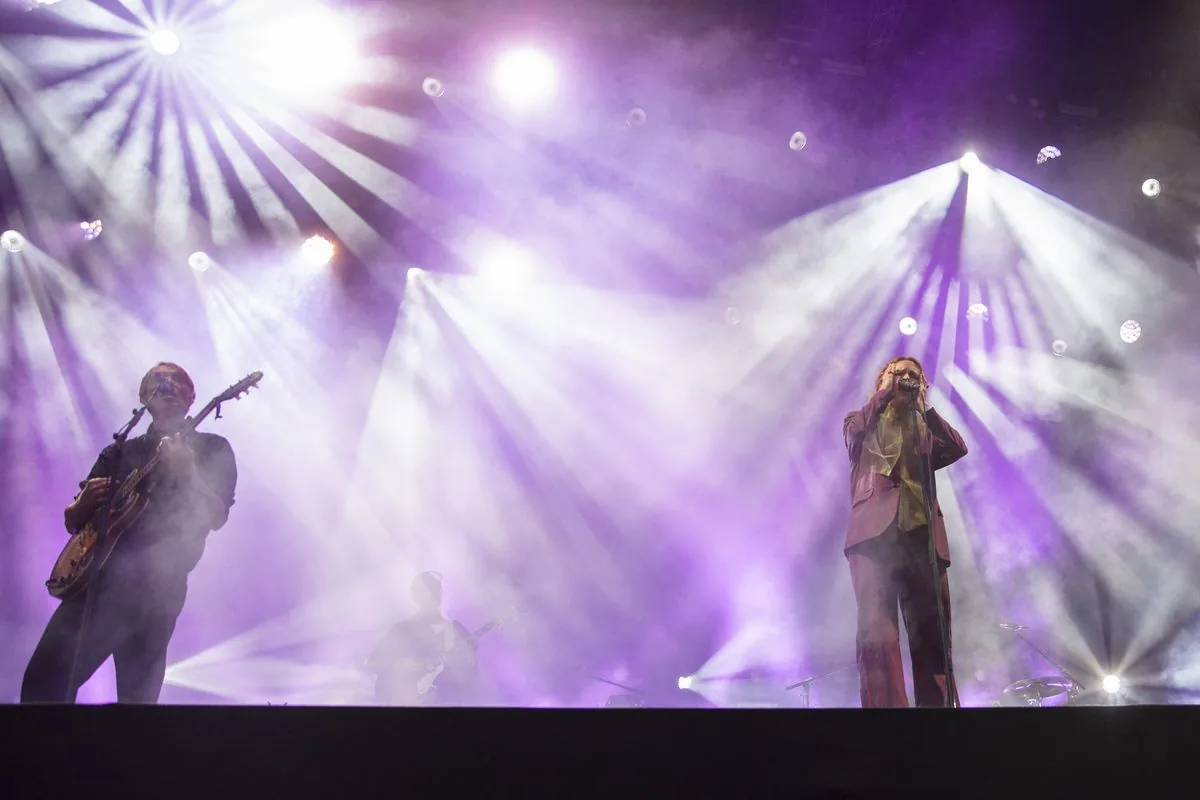
Friday evening at Wonderfestiwall was, above all, an exercise in patience. It took about 40 minutes before Lovefool appeared, and that is a long time when you are standing there on festival legs, expecting someone to press the big shared memory button any minute now. Not because the rest of the set was bad. It wasn’t. The Cardigans still play with a precision that makes it clear they have been a serious band for more than three decades. But there is a difference between being good and being generous. And that difference is easy to hear when the setlist leans more toward the band’s own preferences than the audience’s need for a handful of perfectly placed moments.
That became especially clear because The Cardigans have so many faces. Gran Turismo from 1998 pulled them away from the sugar-sweet melodies and into a darker, more electronic landscape with (my personal favourite) My Favourite Game and Erase/Rewind. Later came Long Gone Before Daylight in 2003, where they once again turned the volume down and let country and singer-songwriter tones stand a little more on their own. And in 2005 came Super Extra Gravity, their sixth and so far latest album. It is a back catalogue with direction and intent. The problem is simply that the direction does not always match the festival’s social contract, which in its simplest form says: give us what we can sing along to, and preferably do it before the sun gets tired.
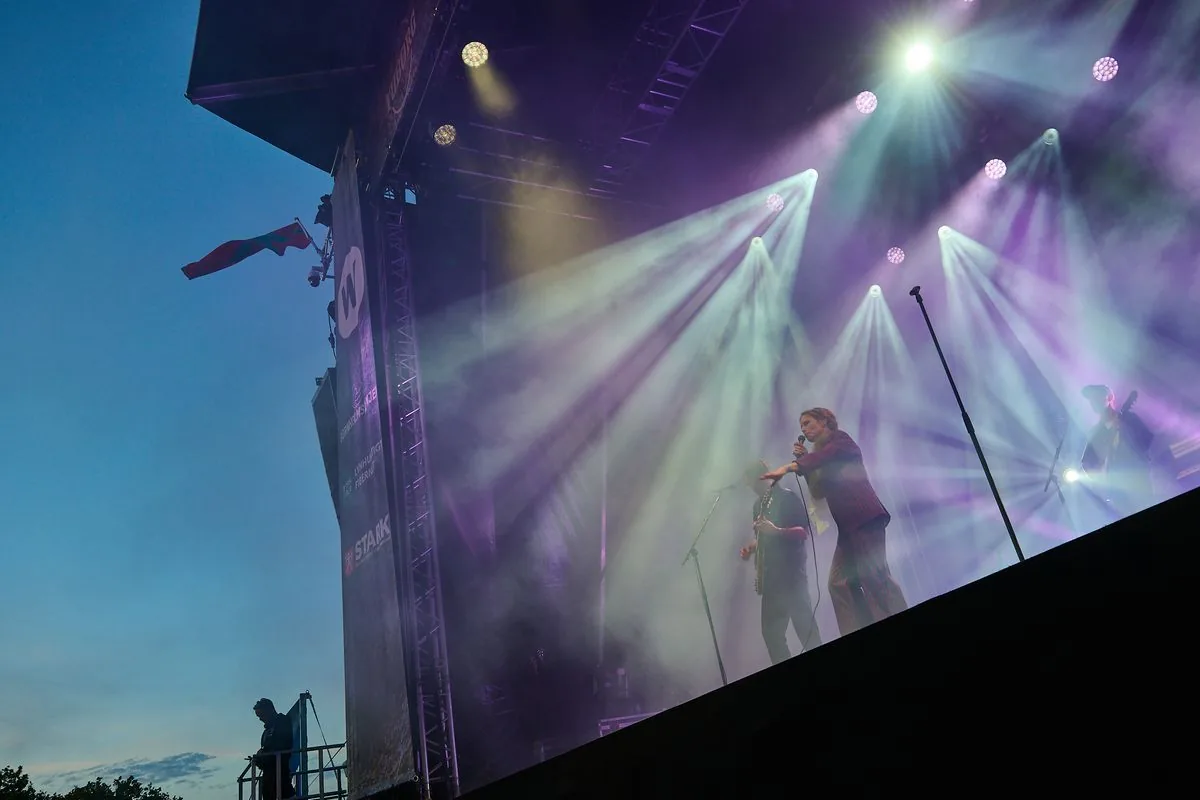
Here, too, the timing was a small catastrophe disguised as scheduling. 6 p.m. is a strange time for a Cardigans concert if you know they were going to take the singer-songwriter route rather than the more uptempo path the hour seemed to invite. They felt a couple of hours too late for the mood they actually created: more inward-looking, more thoughtful, more interested in playing for the musically curious than for the big Friday-night party. That is not a crime in itself. I respect bands that refuse to become cover versions of themselves. But when you step onto a festival stage where many people have really come for the three or four songs that have survived decades of noise, it takes a certain amount of dramatic instinct. That was missing here.
And perhaps that is the most honest way to put it: The Cardigans felt a little like a band at the office. Not cynical, not tired in any truly sad way, but seasoned and measured. There was no sense that they were trying to conquer the space in front of the stage. More as if they wanted to deliver a professional set, nod politely, and move on to the next item in the calendar. In a way, that is also an art. Just not the most electric one.
The strange thing is that their big songs still have an almost unfairly strong effect. When Lovefool finally arrived, the air changed. Not because the arrangement suddenly became more sophisticated, but because the song carries a pop certainty that cannot be manufactured. It simply stands there, with its mix of lightness and tiny desperation. That is really The Cardigans’ greatest strength: they can make something sound easy while making it feel as if it cost a little more than it looks. And that is beautiful. But also a little frustrating when you know it could have been used more generously.
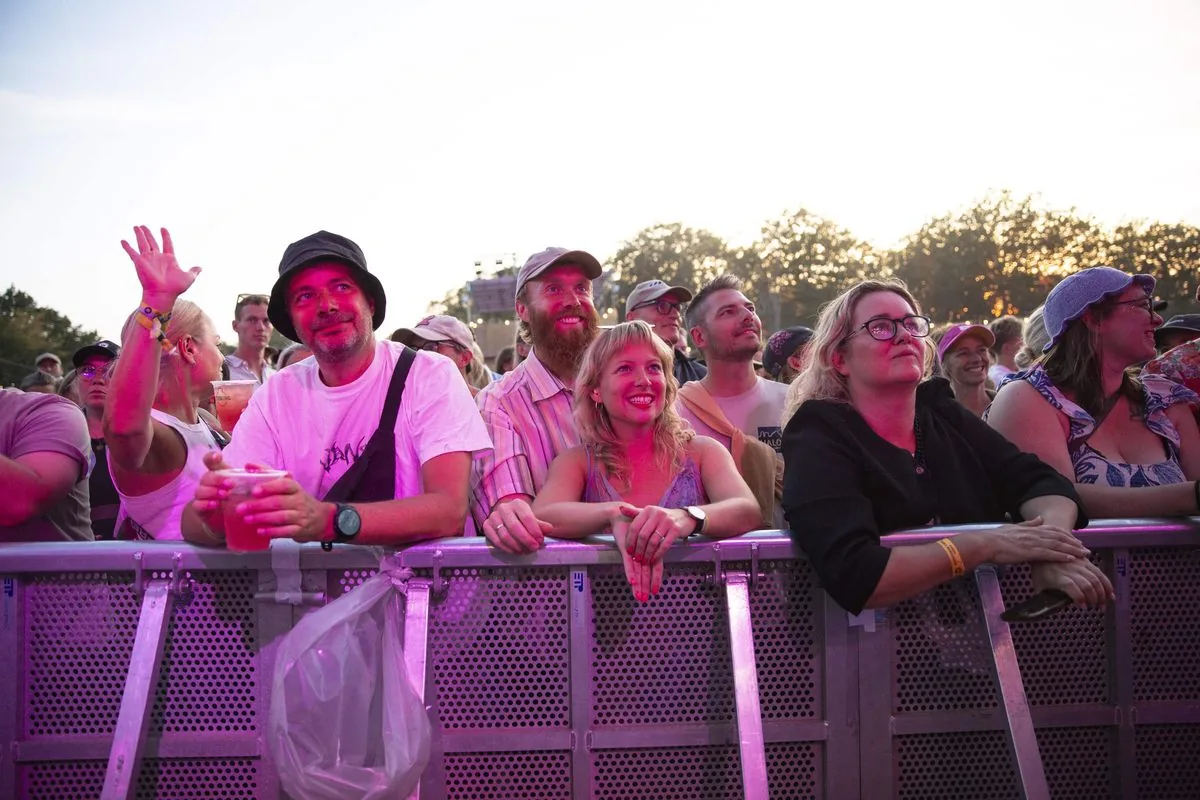
So no, it did not become the Friday-night party Wonderfestiwall may have hoped for. It became more of a reminder that a great back catalogue is not automatically the same as a great concert experience. Sometimes timing, order, and an understanding of the audience have to play along, otherwise you are just standing there watching a band you know matters, while also feeling that something in the room refuses to switch on.
And perhaps that is fitting. Because The Cardigans are still a band that deserves respect, but not necessarily automatic enthusiasm. That is the difference between a name you remember and a concert you carry home in your body. It can be a brutal difference. Even when it comes wrapped in Swedish packaging and excellent craftsmanship. In truth, it is not enough to have the songs. You also have to know when they should arrive, and why. Otherwise even pop history becomes just another neatly filed entry in the calendar.
En stjerne
To stjerner
Tre stjerner
Fire stjerner
Fem stjerner
Seks stjerner