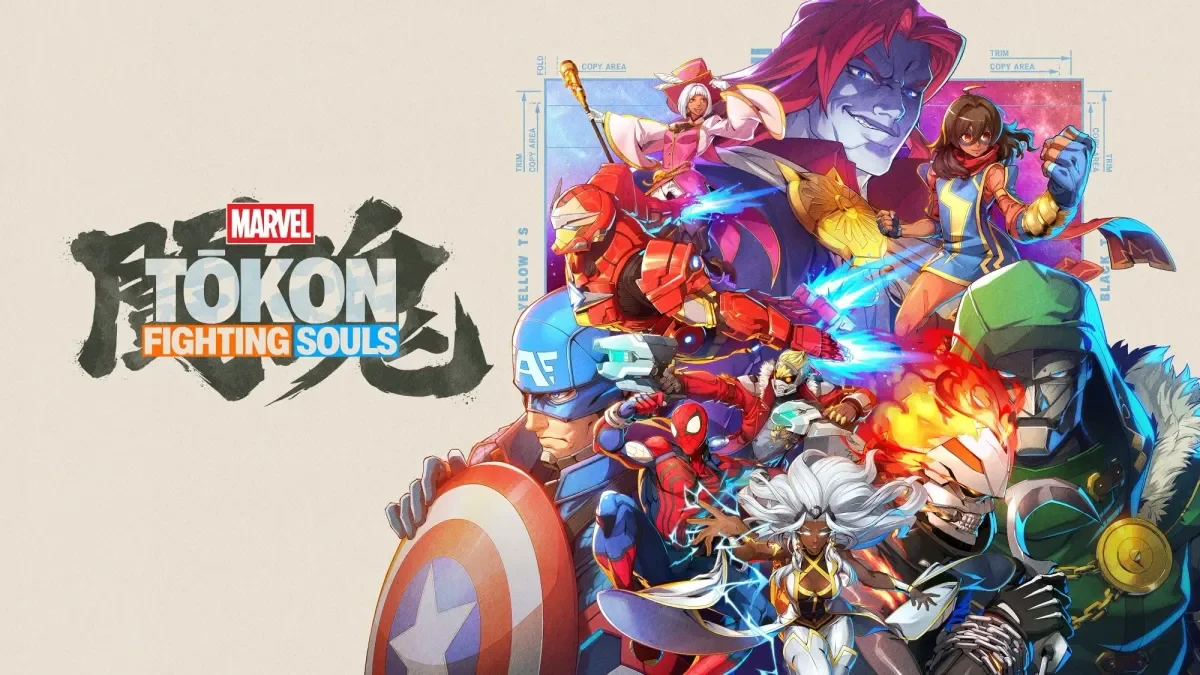
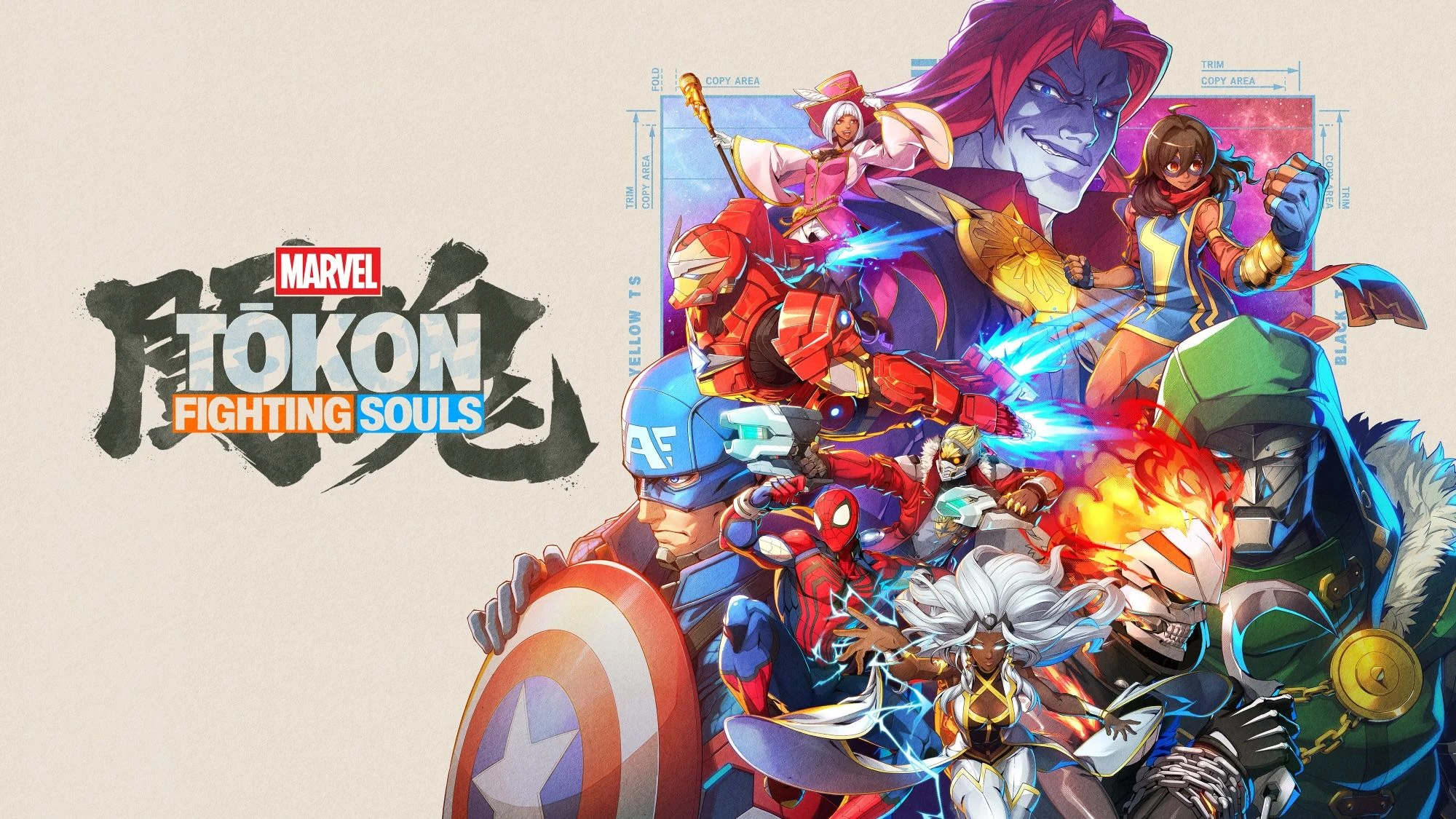
Marvel Tōkon: Fighting Souls is a handsome, accessible fighting game with inventive characters, but it’s missing that final pinch of spice that would make it an evergreen.
One star
Two stars
Three stars
Four stars
Five stars
Disclaimer: Apropos Magazine received access or a review copy. As always, we share our own impressions — unfiltered.
Six stars
The fighting game genre is old and familiar. It’s one of the best ways to settle onto the sofa and play both casually and like your life depends on it. From “just mash all the buttons” to “wow, can you block?”, most people move along a fairly forgiving learning curve. It’s fun right up until everyone stops being equally bad.
From “down, forward and green” to “d/f+3” and the guy talking about WS 14 frames and King’s infinity combos, fighting games have long since developed a language of their own.
Whatever medium you open in 2026, Marvel will be right at the front. Sometimes you almost need reminding that it all began as old comic books, which is a long way from the power creep of Marvel Snap and season 10 of Marvel Rivals.
Marvel Tōkon: Fighting Souls is the latest addition to a genre whose player base is often older. Many grew up with fighting games and have an almost religious relationship with whichever one they prefer — and play little else.
So it’s genuinely nice to see a new take on such an established genre.
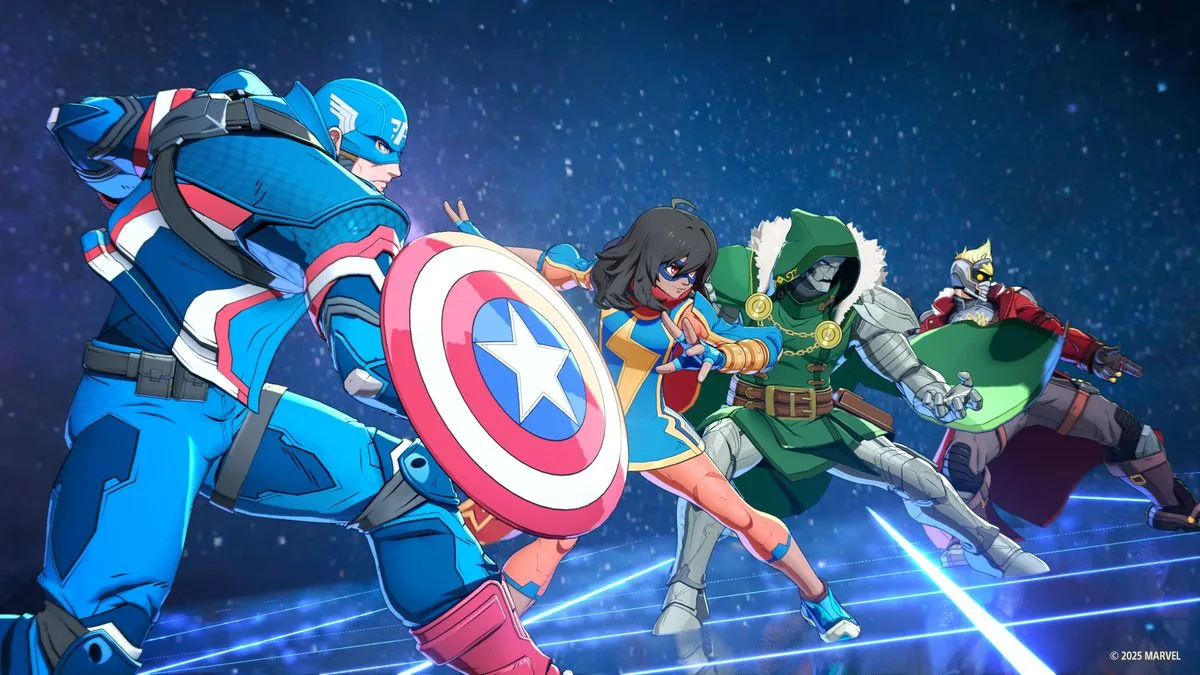
Tōkon looks very Japanese, despite featuring some of the most American characters in the world. It’s actually a pretty cool visual style. At first glance, you might think it’s the newest Marvel vs. Capcom, because there’s plenty of overlap. But it isn’t.
Marvel vs. Capcom, among other things, has the clear advantage of feeling like Street Fighter and bringing Ryu, Dante, Amaterasu and others along for the ride. Tōkon goes another way.
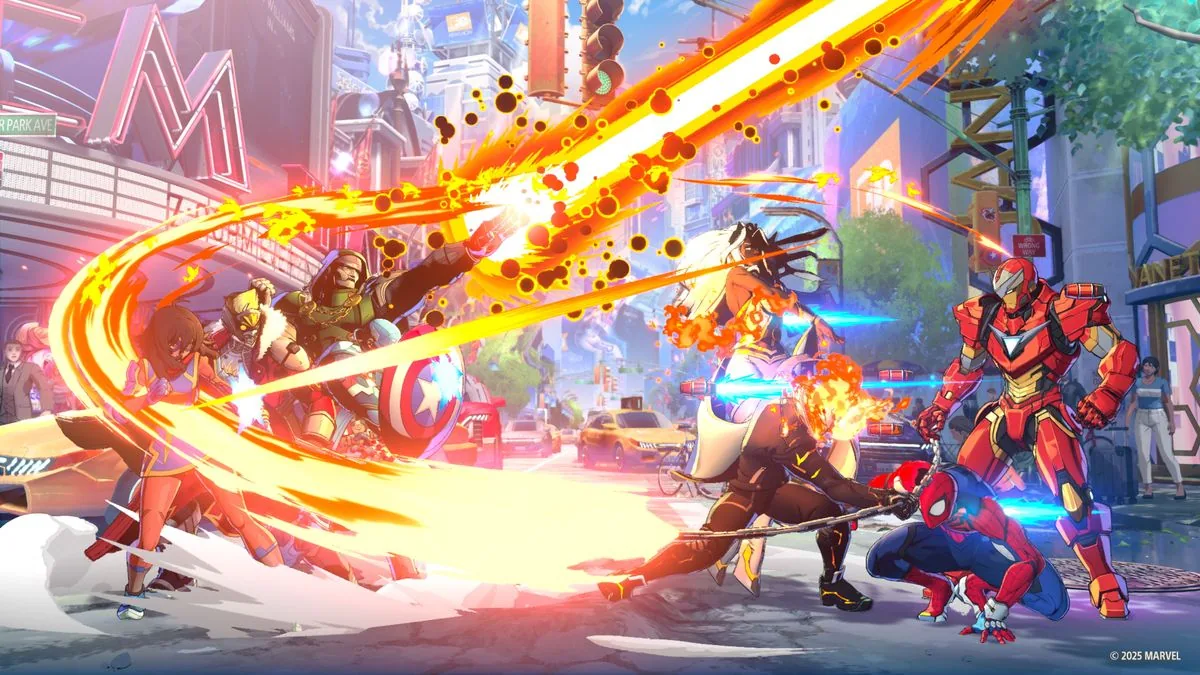
The fights are built around two players with four characters each, and you can experiment with your own combinations and assign different roles to the fighters. You start with two characters and unlock the others during the match. A small progression system that actually works quite well.
Each character has their own way of playing, even though the inputs and basic controls are the same.
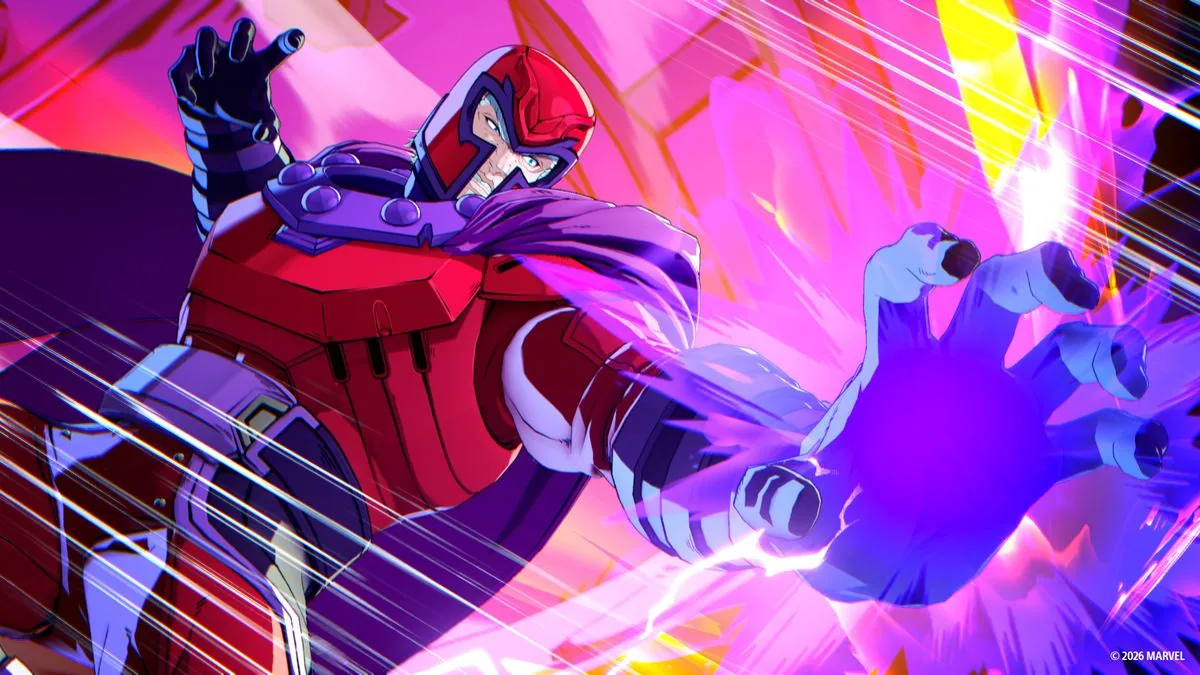
The life bar is split between the different characters, and there’s a skill gauge that can be used for combinations with different strengths and levels of efficiency. They’re easy to fire off automatically, which is both a good thing and a bad thing. When that happens, big, flashy animations fill the screen.
What sets it apart from many other games in the genre is the way health is divided, and it takes a little time to get used to. In Tekken Tag and Marvel vs. Capcom, you can send a character to the bench, let them recover, and switch on. That option isn’t really there here. It creates a different pace than managing your life as a resource and having an incentive to rotate your team.
It also means that in many cases you can have one main character and use the others as assists. Fine enough if you’re the type who finds one character and sticks with them. If you want to be an all-rounder, it honestly feels a bit lame.
The game is definitely more casual than several of the genre’s other big names. At the same time, some of the characters are so gimmicky that newer players may not necessarily have fun learning them either.
It all goes a bit in every direction.
There aren’t that many characters yet, either. A lot of them are really well chosen, while others make you wonder why they were first in line.
On the plus side, the characters are thoroughly worked out. Deadpool in particular is so fully realised and so eager to break the fourth wall that you almost can’t believe it.
There’s also a story mode with manageable challenges, lore and flashy cinematics. And then there’s Arcadia Rumble, which almost feels like a completely different game.
I really wanted to think this was fantastic.
When I got my hands on Marvel vs. Capcom 3: Fate of Two Worlds, I played through the entire roster almost endlessly. I only dipped into Ultimate superficially, and I actually quite liked the Infinity Stones mechanic in Infinite.
Tōkon just didn’t grab me in the same way.
It’s all fine. It’s polished, handsome and definitely not bad.
But while I was playing, I kept thinking:
Why am I not just playing Marvel vs. Capcom? Or Tekken? Or Smash Bros.?
It’s missing some kind of spice. Maybe some Capcom. Maybe some Namco. I can’t quite figure out whether it’s the speed, the feel or the visuals.
But the feeling is missing.
Marvel Tōkon: Fighting Souls is a fine fighting game. It just isn’t quite an evergreen yet.
En stjerne
To stjerner
Tre stjerner
Fire stjerner
Fem stjerner
Seks stjerner