I quickly reached the part of Saros where the thumb does more work than the brain. Dash right. Shoot. Dash back. Repeat. That’s not a complaint, just a physiological observation. When the game clicks, it feels tight and fast. When it doesn’t, it feels like being dragged through the same corridor with a new wall color.
One star
Two stars
Three stars
Four stars
Five stars
Disclaimer: Apropos Magazine received access or a review copy. As always, we share our own impressions — unfiltered.
Six stars
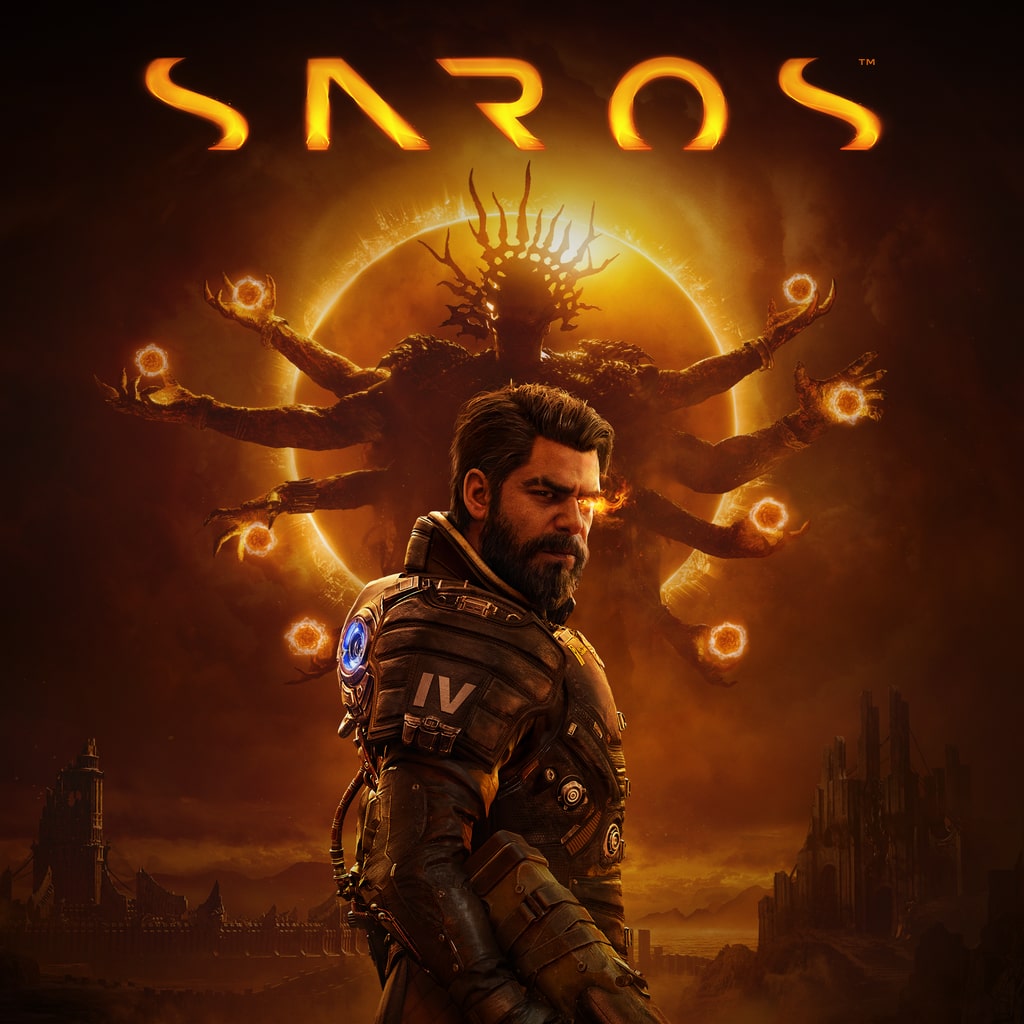
There’s a certain kind of game that doesn’t ask for your reflection, but for your pulse. Saros belongs to that family. It’s developed by Housemarque, the studio behind Returnal from 2021, and it’s pretty obvious they still love that aggressive, elegant kind of chaos where you have to read the screen like a traffic jam at rush hour. Not calmly. Instinctively. Saros isn’t interested in you standing still and admiring the systems. It wants you moving, all the time. Like a slightly stressed dancer who’s forgotten the choreography but still hits the beat.
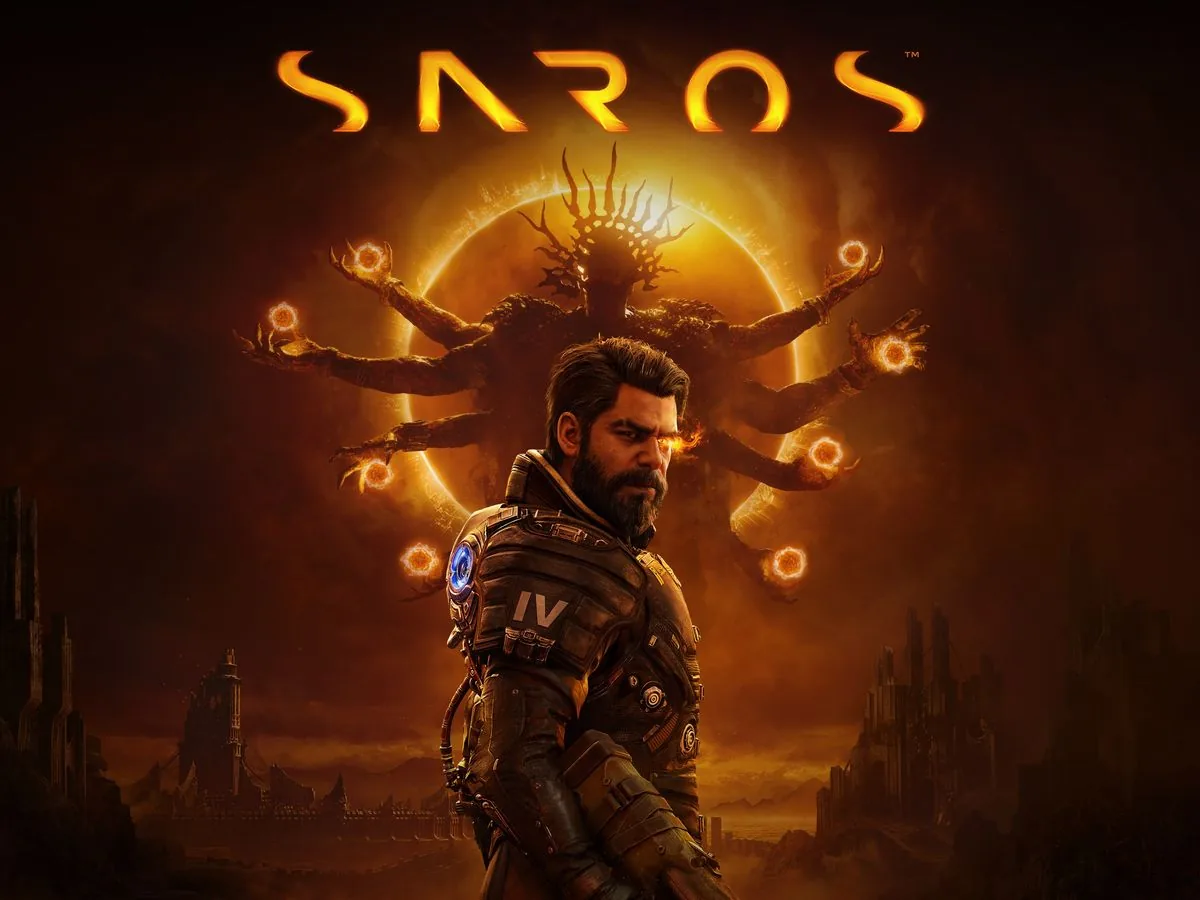
And that’s actually part of the charm. There’s something almost cheeky about how much the game trusts speed. You play as Arjun, who is searching for a former expedition and collecting Lucenite, and right there there’s a neat little tension between mission and mystery. It’s not just “find things, shoot things, move on.” There’s a sense that Lucenite is more than a resource icon, more than another sci-fi excuse to fill your pockets with glowing material. You quickly understand that it matters. A little later, you understand why it matters. And that shift is smart enough to keep you hooked.
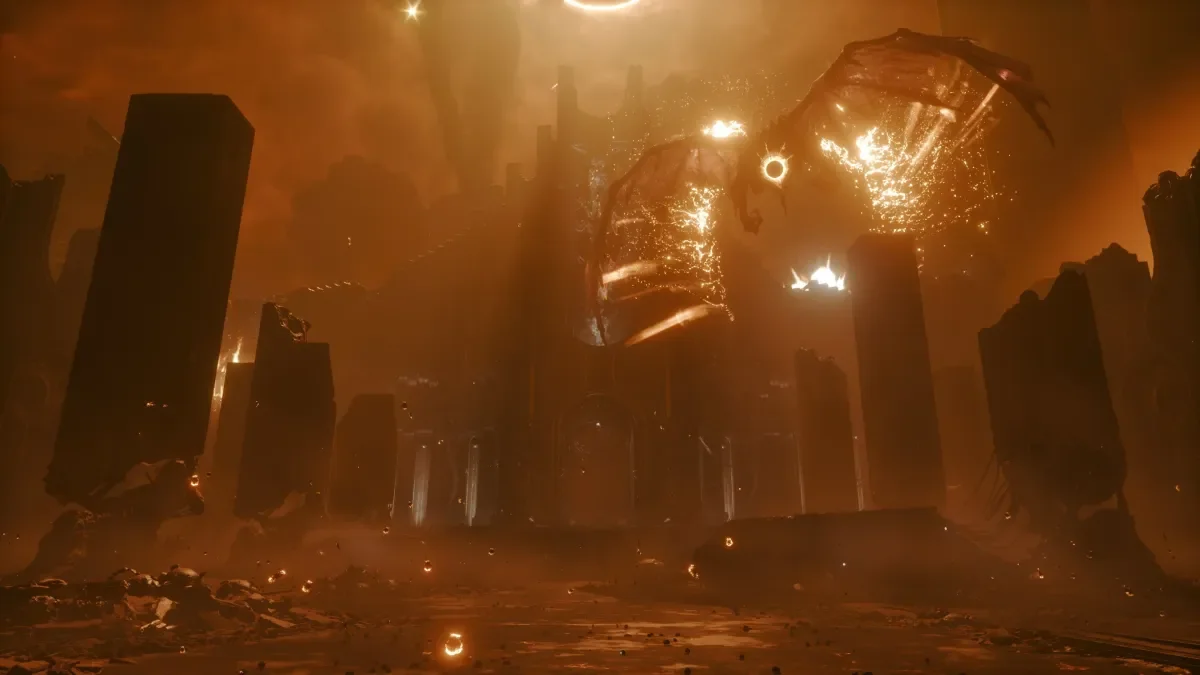
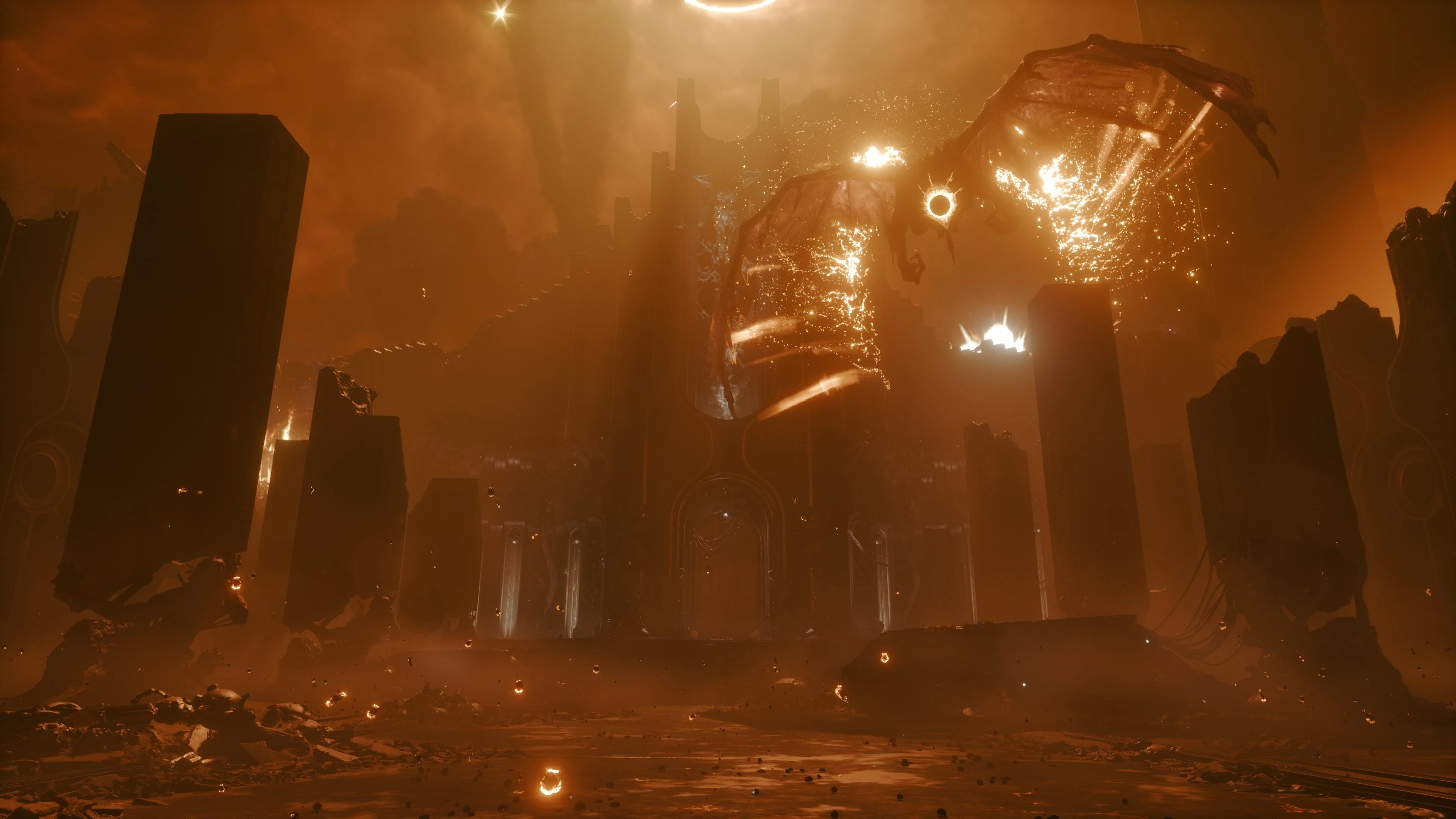
It certainly helps that Saros looks furious good. Not in a flashy, “look at me, I have a budget” way. More in that smooth, self-assured way where everything feels considered. The surfaces have depth, the light sits heavy and deliciously, and the animations glide so cleanly that you almost forgive the game before you’ve met its first hard edge.
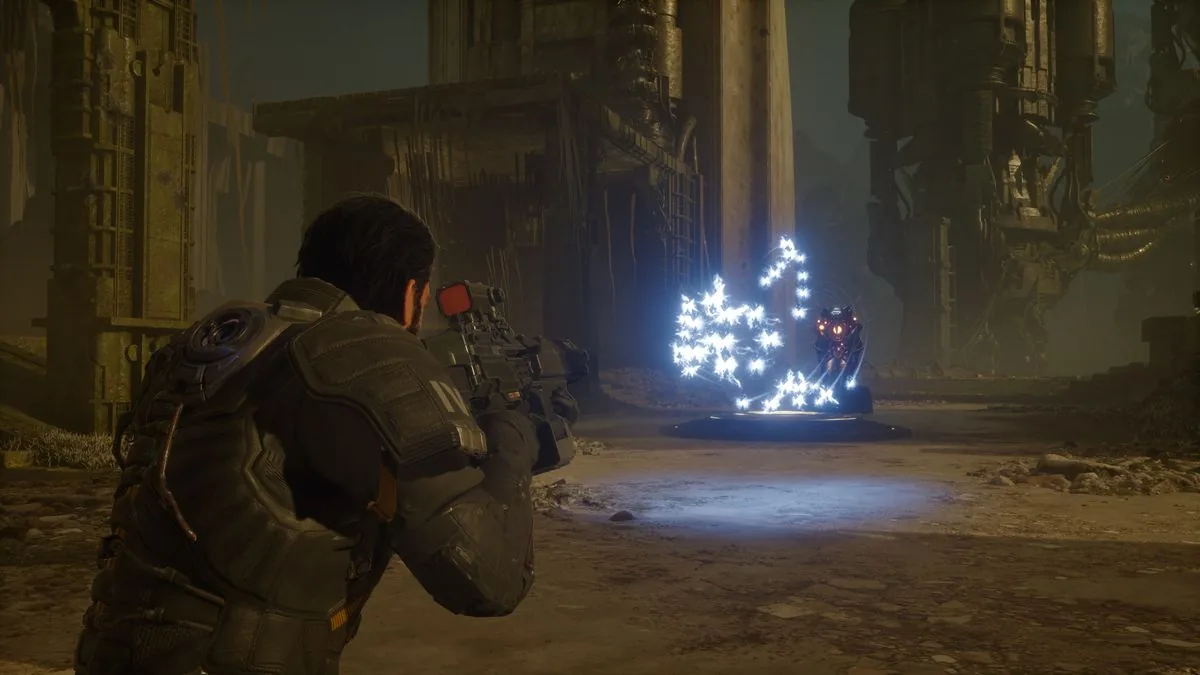
The combat is also where Saros really gets to bare its teeth. If you’ve played Returnal, much of the rhythm will feel familiar: dash, shoot, reposition, survive. But Saros gives you more ways to use defensive mechanics creatively, and that’s an important difference. It’s not just about dodging. It’s about using movement as a weapon. That makes the fights more open, more elastic. You don’t just feel pushed back; you feel like you can push back. Not always successfully, of course. But enough to make you want to try a little more aggressively next time. And then you die. Naturally. The game has a very clear opinion on human overconfidence.
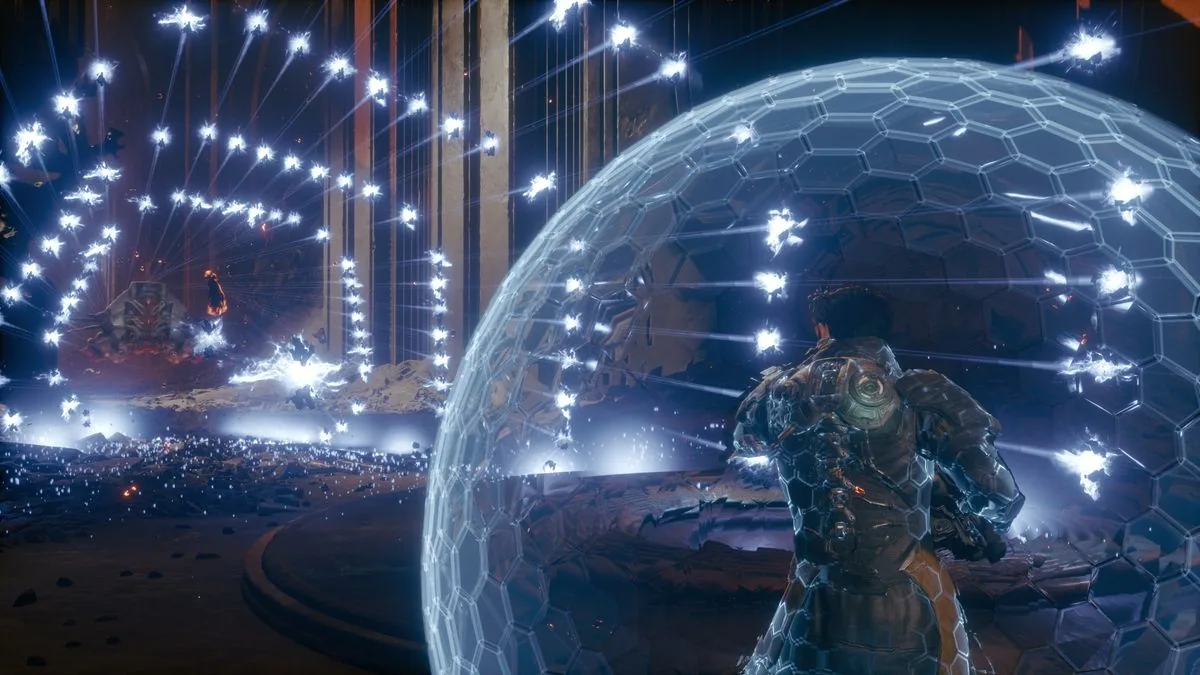
The problem is just that those moments don’t always feel like progress. Saros uses a roguelike structure, and that can be fantastic when each run feels like a new conversation with the game. For me, this felt more like repetition with better lighting than a real process of discovery. I didn’t feel that the game kept opening new layers or changing my understanding of what I was doing. It became more a rhythm of attempts, defeat, repetition. And again. And again. The Groundhog Day mechanic can be exciting when it rewards curiosity. Here, it often felt more like a grind, where you work your way forward without quite feeling the world work back.
That’s a shame, because it’s clear Saros has been designed to hold on to you. There’s that small, almost itchy feeling that something beneath the surface hasn’t quite been told yet. Who are you really working with? What happened to the previous expedition? How much of this is mission, and how much is a system trying to hide its own cracks? The game throws out enough questions to make you curious, but not enough to leave you fully satisfied. It’s an elegant balance when it works. When it doesn’t, it becomes more fog than invitation.
And then there are the weapons. That’s where my brain started making that little, irritated cough it does when a game wants to be intuitive but can’t quite be bothered to explain itself. The weapons are swapped constantly, which means you’re always comparing on the fly. Some abilities aren’t clearly explained, and that means you don’t always know whether you’re taking home an upgrade or a problem in your backpack.
Still, there’s something magnetic about the whole package. Maybe because Saros doesn’t try to be cozy. It doesn’t want to lure you in with warm smiles and the occasional small reward. It wants you to learn its pace, accept its harshness, and keep going until you either understand it or get tired of trying. That’s an honest, almost severe contract. And I respect it. I just didn’t fall in love with it. I stood more on the outside, looking at it through glass while it did its best to impress with speed and form.
There’s also something interesting in how the game uses its sci-fi frame without drowning in explanation. Lucenite isn’t just a name you forget the moment you’ve read it. It works as a motor for both progression and curiosity. You pick it up, use it, chase it, and it quickly becomes part of the way you think about the game. But at the same time, there’s always a sense that this material is a key to something larger, something more unsettling. That’s where Saros has its best atmosphere: in the tension between the instrumental and the unresolved. Between loot and lore, if you want to put it in that kind of internet dignity you can only tolerate in small doses.
And maybe that’s why I end up somewhere in between. Saros is not a game falling apart. Quite the opposite. It’s solid, handsome, and mechanically well worked through. Housemarque knows how to make action feel physical and precise. But I wanted more development from run to run. More sense that my failures taught me something beyond patience. More of that tiny spark where repetition becomes insight instead of routine. Because when it works, it’s genuinely satisfying. When it doesn’t, you’re just staring at yet another enemy who has decided to be today’s headache.
That may be the most honest way to describe Saros: a beautiful, hard, and very deliberate action game (in a different lane than, for example, Astro Bot) that would rather keep you moving and would rather not explain itself too much. I wasn’t completely hooked, but I wasn’t indifferent either. And that, after all, is more interesting than yet another game that only wants to look nice in a trailer. Saros wants something. You can feel it. It hurts a little. That’s probably the point. And that’s almost enough to keep you around.
En stjerne
To stjerner
Tre stjerner
Fire stjerner
Fem stjerner
Seks stjerner