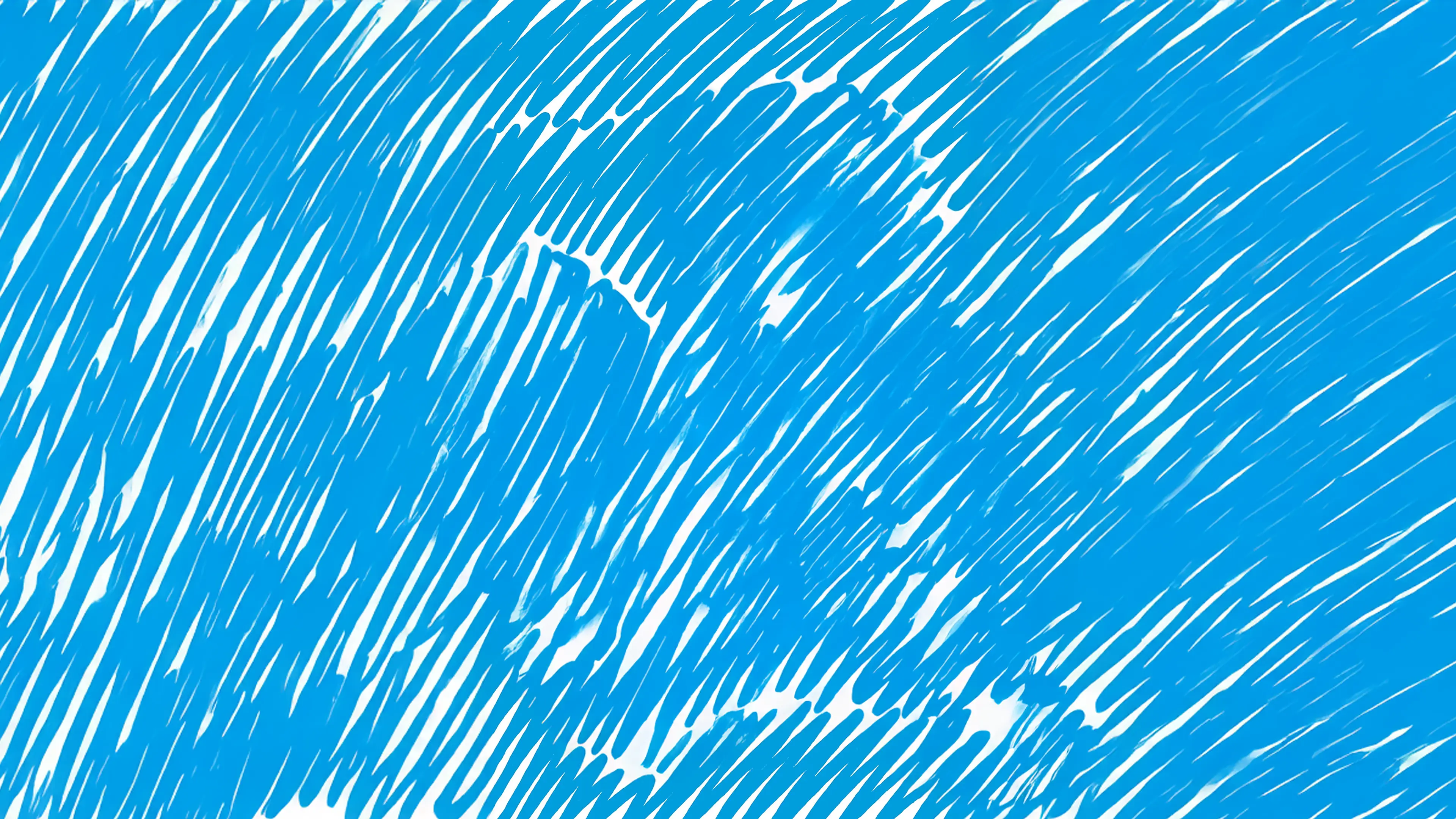
A dog was written into the role, then almost disappeared from the film because it slowed down the shoot. For Asta Kamma August, that tiny detail says something bigger about film work: when everything has to run fast and look effortless, it is concentration itself that gets squeezed.
One star
Two stars
Three stars
Four stars
Five stars
Disclaimer: Apropos Magazine received access or a review copy. As always, we share our own impressions — unfiltered.
Six stars
Asta Kamma August does not talk about the film set as a cosy place where creativity bubbles up between small talk and laughter. In an interview with Soundvenue, she describes an industry where the work risks getting blurred with the mood around it. She would rather the task took up more space than the social varnish.
That might sound like a matter of temperament, until you look at the dog that was written into August’s role in Dobbeltfejl. It was used in only one scene because the shoot took too long. Later, a dog is heard barking without being shown. The dog had to step aside because the reality of the set could not bend to the plan.
In Dobbeltfejl, August plays Ulrikke, a newly arrived single mother trying to start over in a provincial town with her teenage son NC. The film revolves around an alleged sexual assault on a boy in his class, in which NC and two other boys are suspected of being involved. The conflict grows between the mothers, and August plays opposite Sidse Babett Knudsen and Sofie Gråbøl. It is material that demands precision, not necessarily more cosiness.
August also says she has changed the way she prepares for roles. Earlier, she worked with intentions, background, research and music. Now she focuses first and foremost on the lines, in order to preserve naturalness and presence during the shoot.
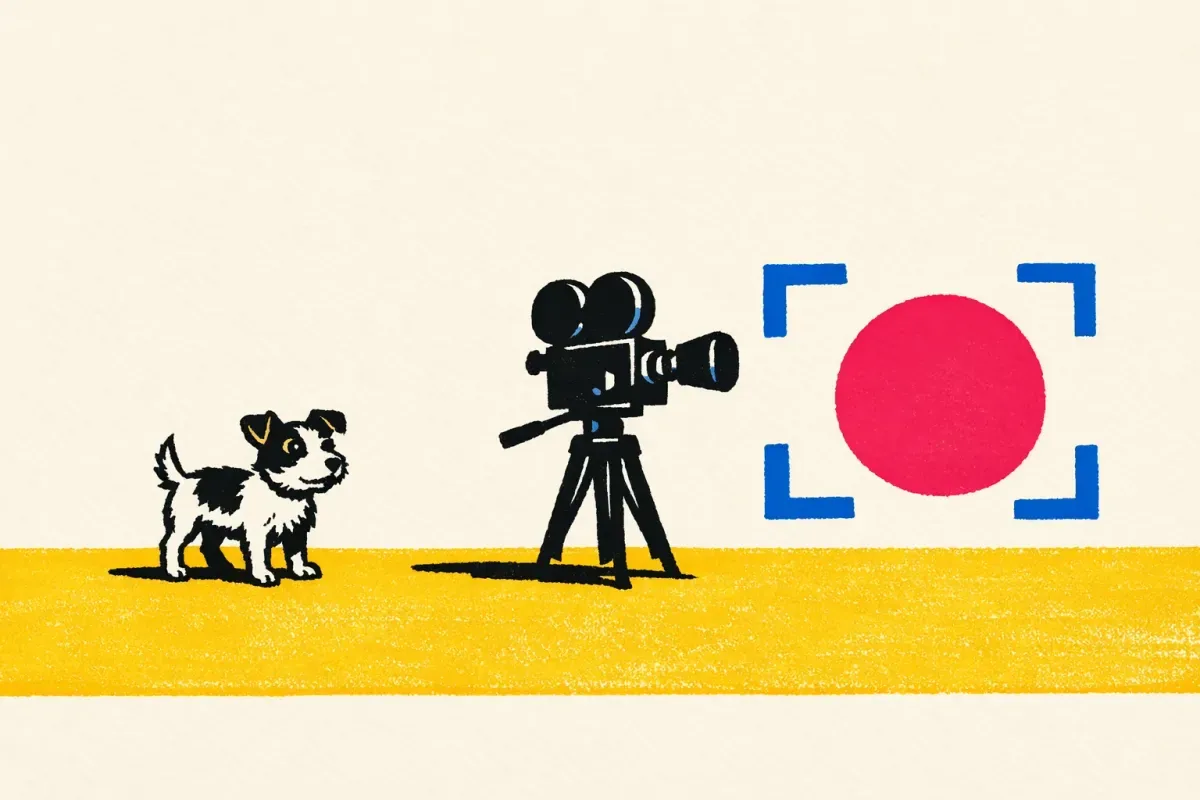
It is an interesting resistance to the idea that serious art always requires more preparation, more notes and an ever-growing internal dossier. August’s point is not that the work should be taken less seriously. Rather, she wants to remove some of what can come between the actor and the moment. She prefers few rehearsals and points to Lars von Trier’s method on The Kingdom, where, according to her, scenes were not rehearsed before the camera rolled.
Is there not a danger in romanticising spontaneity? Yes. A working method that feels liberating for one actor can create uncertainty for another. August’s experience cannot, on its own, determine how an entire crew should work. But her criticism does hit something concrete: the industry increasingly asks actors to be both artists and media personalities.
This is especially true of behind-the-scenes content and social media. August criticises marketing in which actors are expected to share personal details or take part in entertaining activities alongside the film. She has often said no herself and feels that many colleagues are pressured by the demands. The personal thus becomes part of the job, even when it has nothing to do with the role.
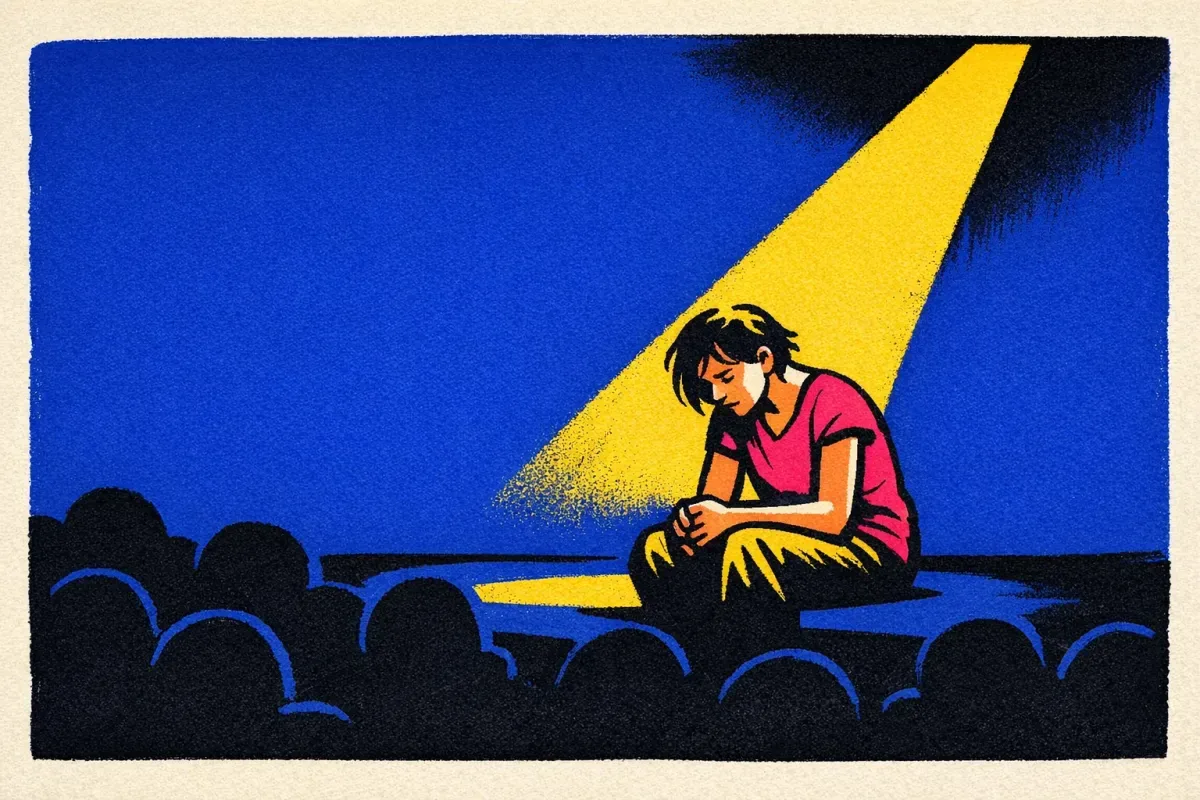
Here, her view becomes bigger than a preference for working in peace. The actor is not only supposed to create a character, but also to be visible as themselves, ideally in a way that feels spontaneous, pleasant and shareable. It is an extra performance on top of the performance. For many, it must feel like being asked to open the door to their private life because the film lacks another way to find an audience.
August’s point takes on a strange resonance from her experience with Orestien at Aarhus Theatre, where the first act took place in the foyer. One audience member became angry at not getting the performance from their usual seat, shouted during the show and left the theatre. Audiences, too, can have strong expectations about the form surrounding a work. But the difference matters: the spectator can leave. The actor is often expected to stay put, smile and give more of themselves.
Dobbeltfejl was scheduled for a cinema release on 24 September 2026, just days after the interview was published. August’s criticism therefore lands right in the middle of the machine she describes. The film has to come out, the actors have to be visible, and the work should preferably look easy. She reminds us that ease is not the same as idleness. Sometimes it is created by protecting concentration from everything that wants to look like work without actually being it.
En stjerne
To stjerner
Tre stjerner
Fire stjerner
Fem stjerner
Seks stjerner