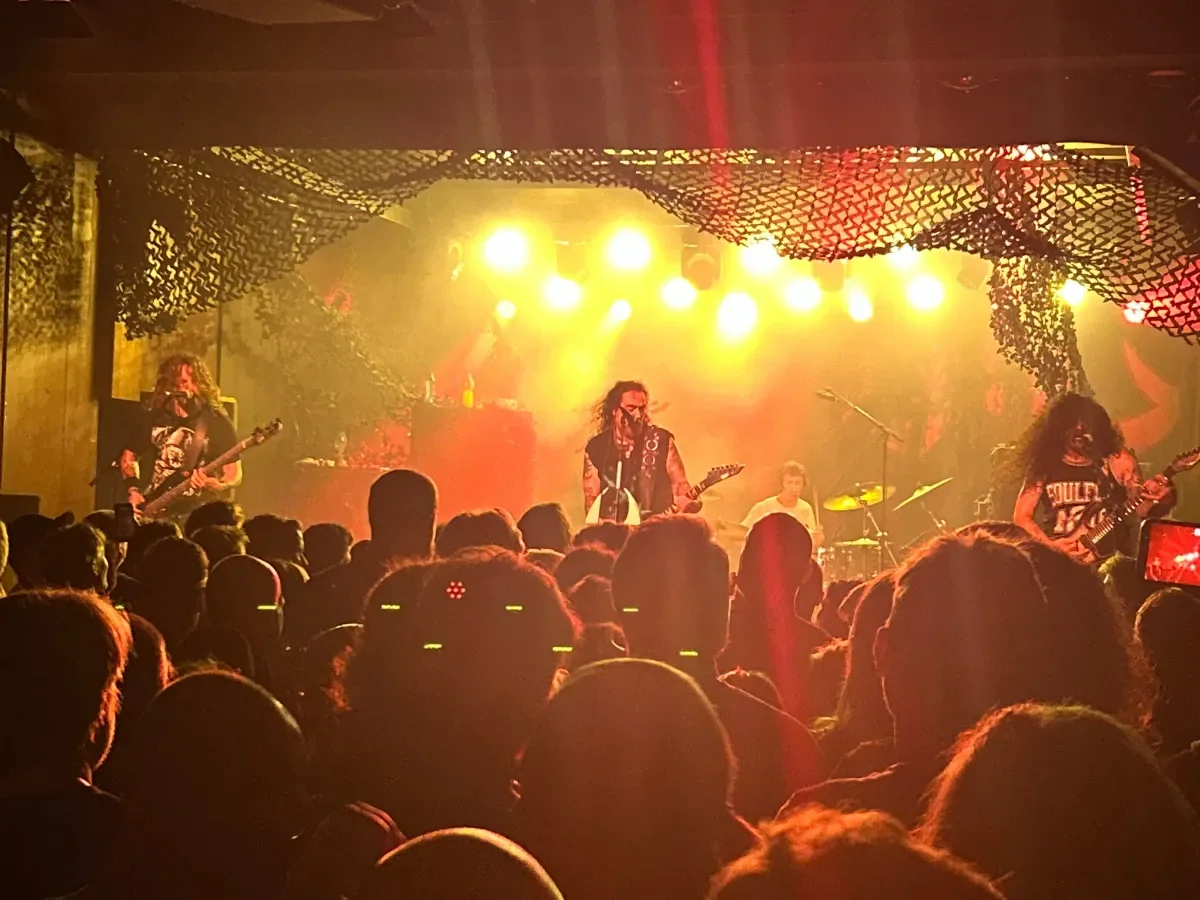
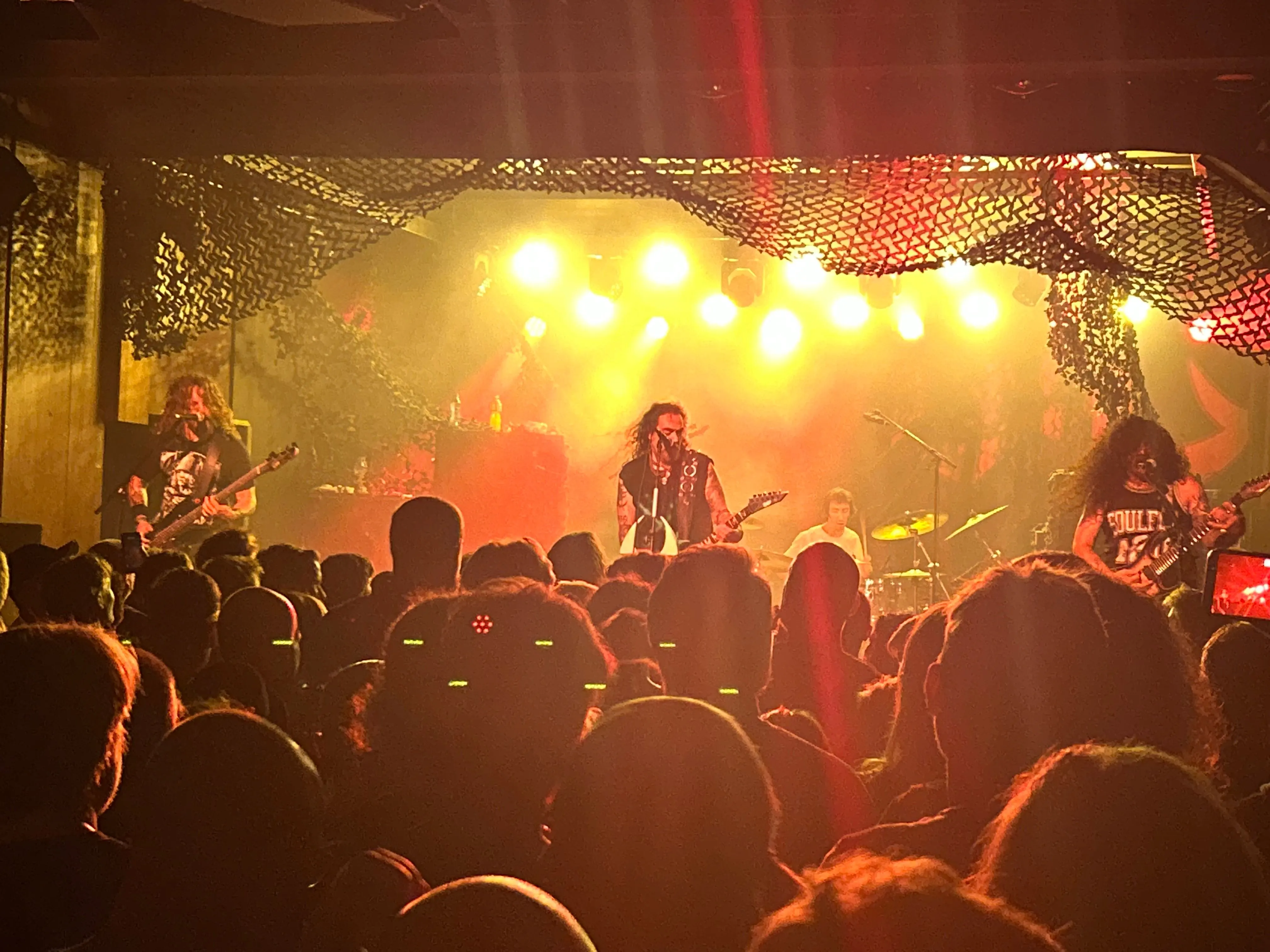
Can a metal show still feel like family, ritual, and a little bit of noisy therapy all at once? On Tuesday night at Lille Vega, Soulfly gave a pretty clear answer: yes — if Max Cavalera is allowed to run the show, and if the crowd shows up with both ears and spine in place.
One star
Two stars
Three stars
Four stars
Five stars
Disclaimer: Apropos Magazine received access or a review copy. As always, we share our own impressions — unfiltered.
Six stars
It’s almost comical how many musical lives Max Cavalera has managed to live while the rest of us are still trying to remember the password to our streaming service. Sepultura, Nailbomb, Cavalera Conspiracy, Soulfly — the list goes on, like a metal version of a family group chat you never quite manage to leave. And yet Soulfly has ended up as the longest-running, most stubborn chapter of them all. Maybe because the project has always carried something more than riffs and rage. There’s a spirit in it. A pulse. A berimbau cutting through the drums and distortion like a reminder that metal doesn’t have to come from the same place every time.
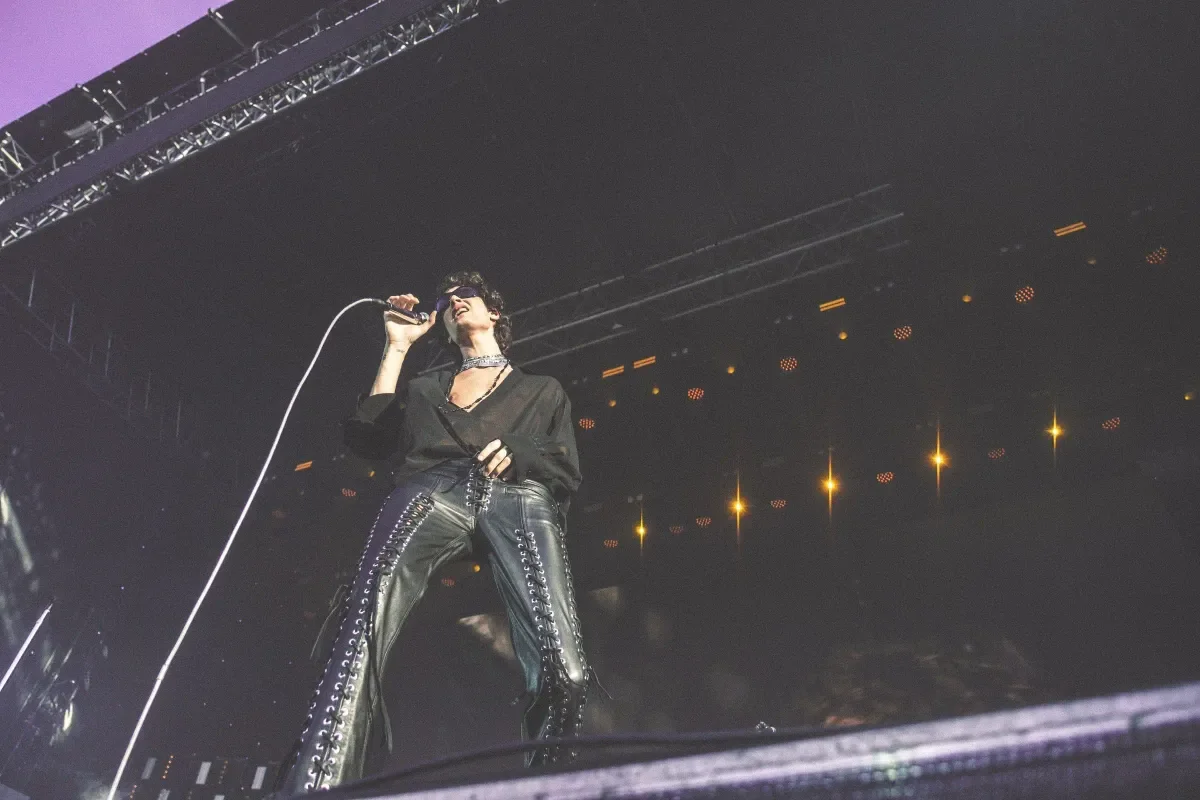
And yes, it’s still a family business. Onstage, Max is joined by his son Zyon Cavalera, who behind the drums was called “the octopus” that night — and it’s actually a pretty exact description. He doesn’t just play. He clings to the songs with eight limbs’ worth of control and chaos. It’s modern thrash, but with a spiritual undertow, as if someone had mixed war drums, inherited trauma and stadium energy into the same pot. It should be messy. It should fall apart. Instead, nearly 30 years after Soulfly began in 1997, it still stands sharp.
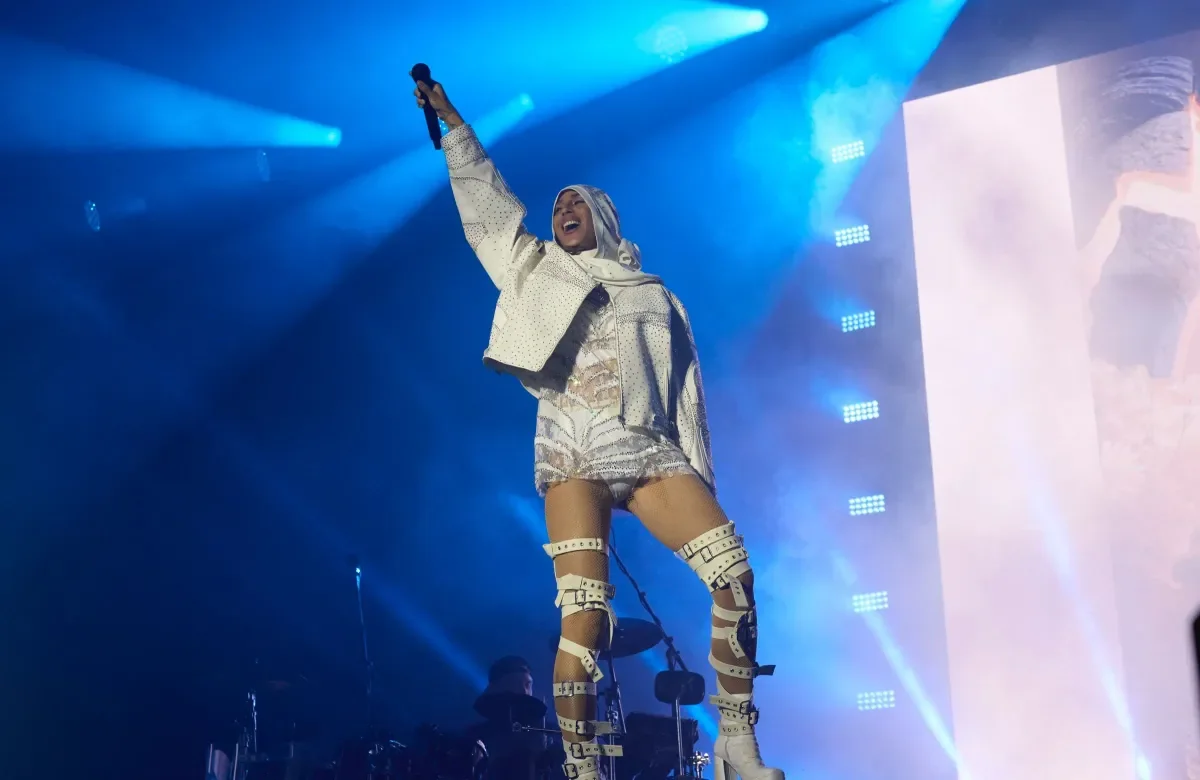
The evening’s support act, Mawiza, did more than warm things up. They arrived like a small, proud force rising straight from the earth. The band sings in Mapudungun, and from that moment on the room changes character. At first they stood masked, with only vocals and three drummers, and it had an almost ceremonial weight. Then the masks came off, and the sound leaned toward more traditional metal. Then the masks went back on. Then it shifted again. That kind of movement can easily become a gimmick, but Mawiza kept it grounded in the body. Their frontman also took time to speak about Mapuche history, the mark left by colonisation, and the fact that they are still Mapuche. Not as a museum piece. As the present. As resistance.
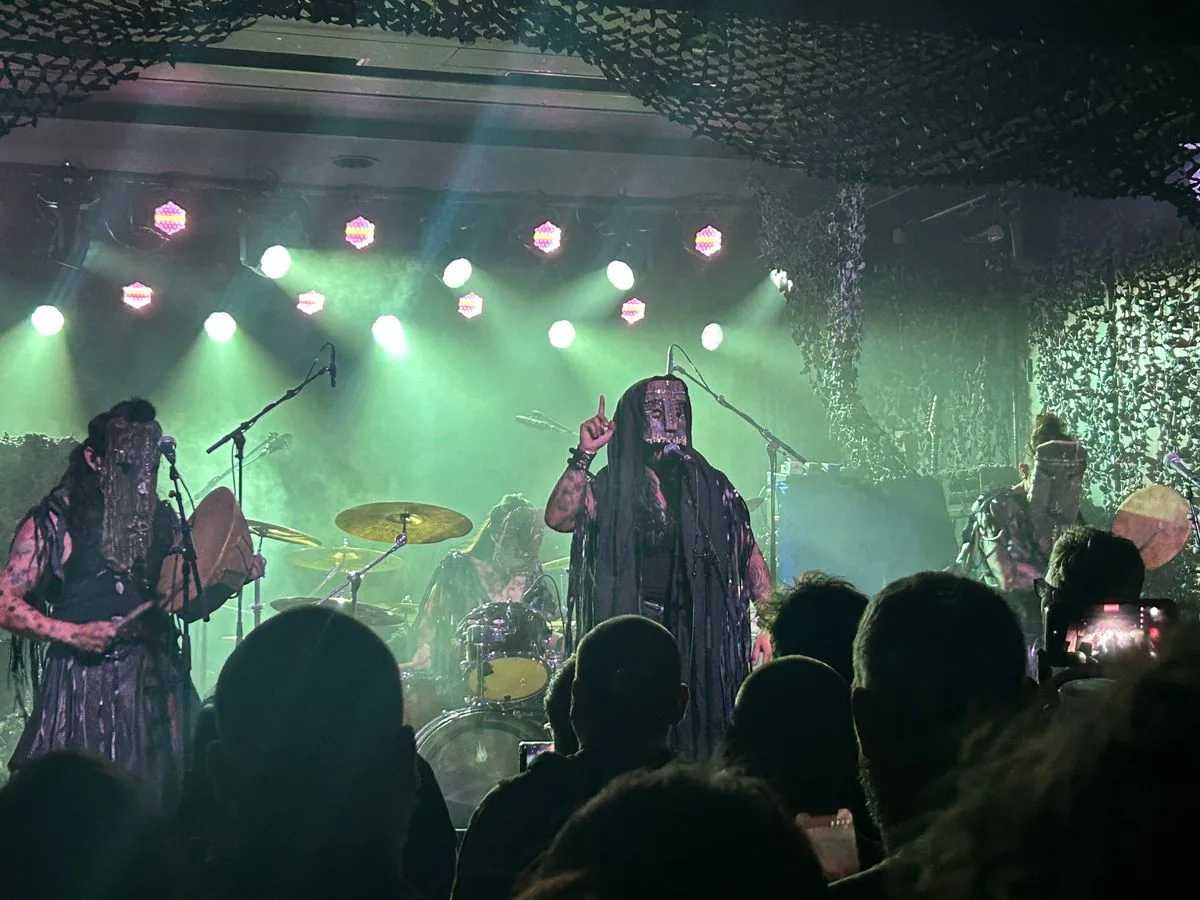
There was also a sarcastic call to fact-check the whole thing on our iPhones, which in its own way was the most modern moment of the night. A little jab at the digital laziness we all carry around in our pockets. And it worked. Not because it was clever, but because it was real. Mawiza delivered battle cries, weight and a cultural confidence that didn’t ask for permission. As they put it: “Kimpayaymi tami ekuwael.” It lingers long after the last note. Maybe that should be printed on more concert tickets and fewer LinkedIn posts.
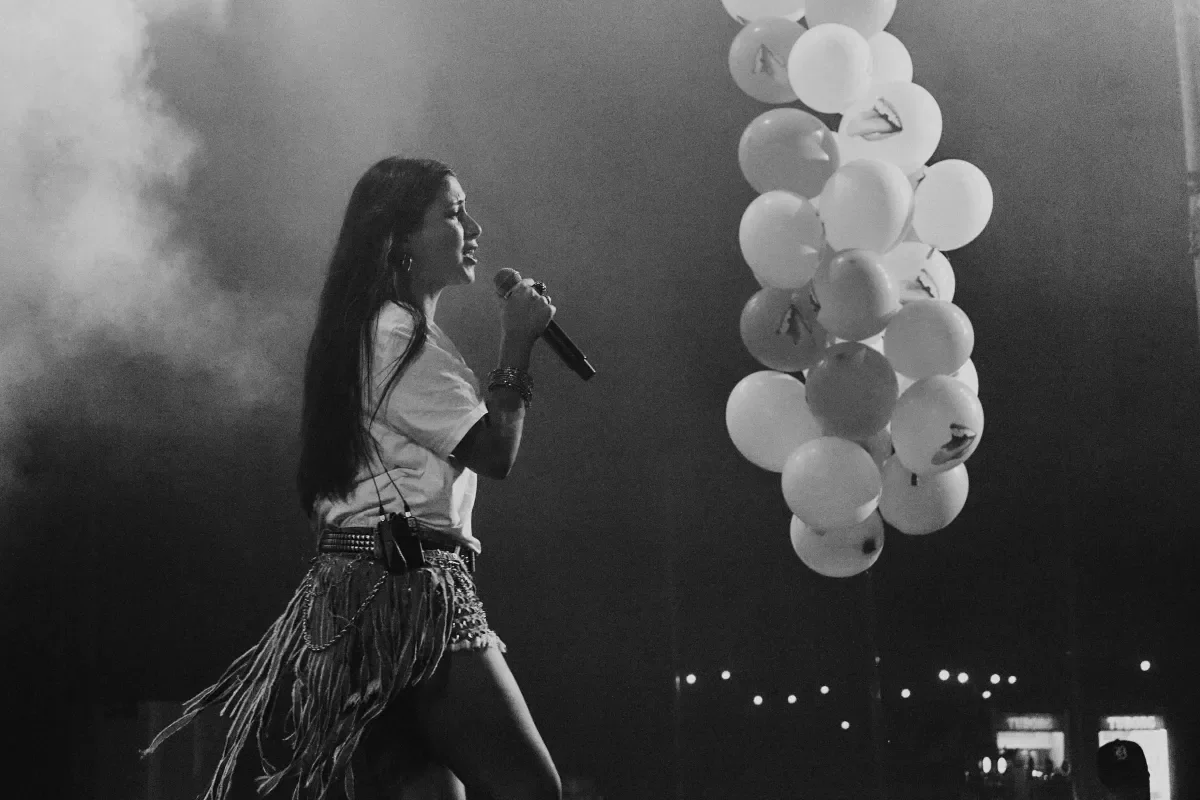
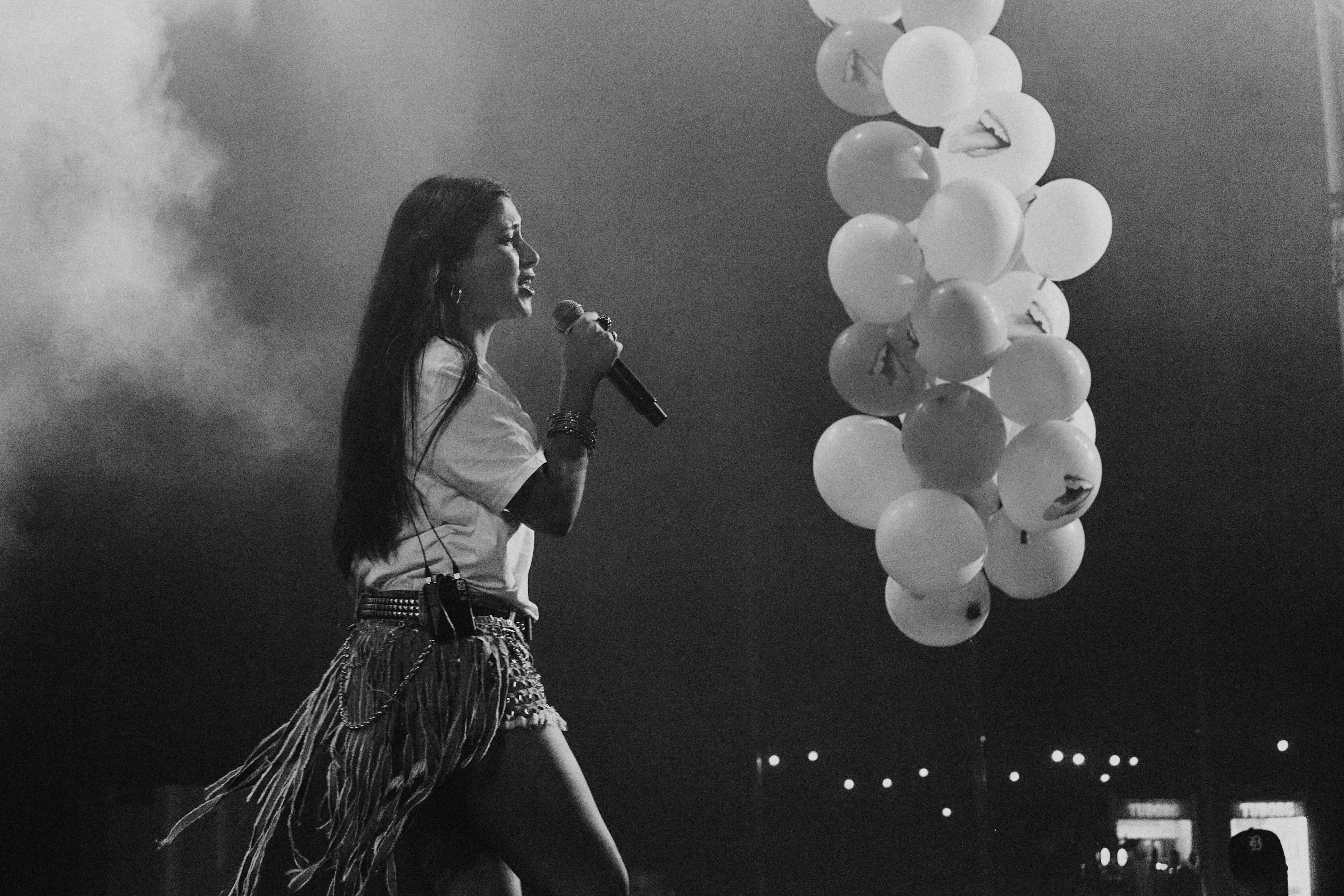
After a short changeover, Soulfly took the stage and didn’t waste a second pretending they were there to improvise their way through the night. They knew exactly what people wanted. And they gave it. The opening “Back to the Primitive” from the debut album set the tone immediately: berimbau first, then that heavy nu-metal frame that lands like a cloud of dust in the chest. The sound is thicker than an AI-generated apology from a bad boss. It’s rough, direct and in no need of explanation.
From there, things moved fast. Just over an hour, and it never felt like filler. More like constant momentum, with songs like “Fire” and “Bring It” sliding into one another at a pace that left little room for thought. And maybe that was the point. Soulfly don’t breathe to give lectures. They play. They push. They hammer. There was a thrash energy in the delivery, but also discipline. Not the polished kind. The kind that comes from years on the road and a band that knows the audience hasn’t come for stories about soundchecks and bad coffee.
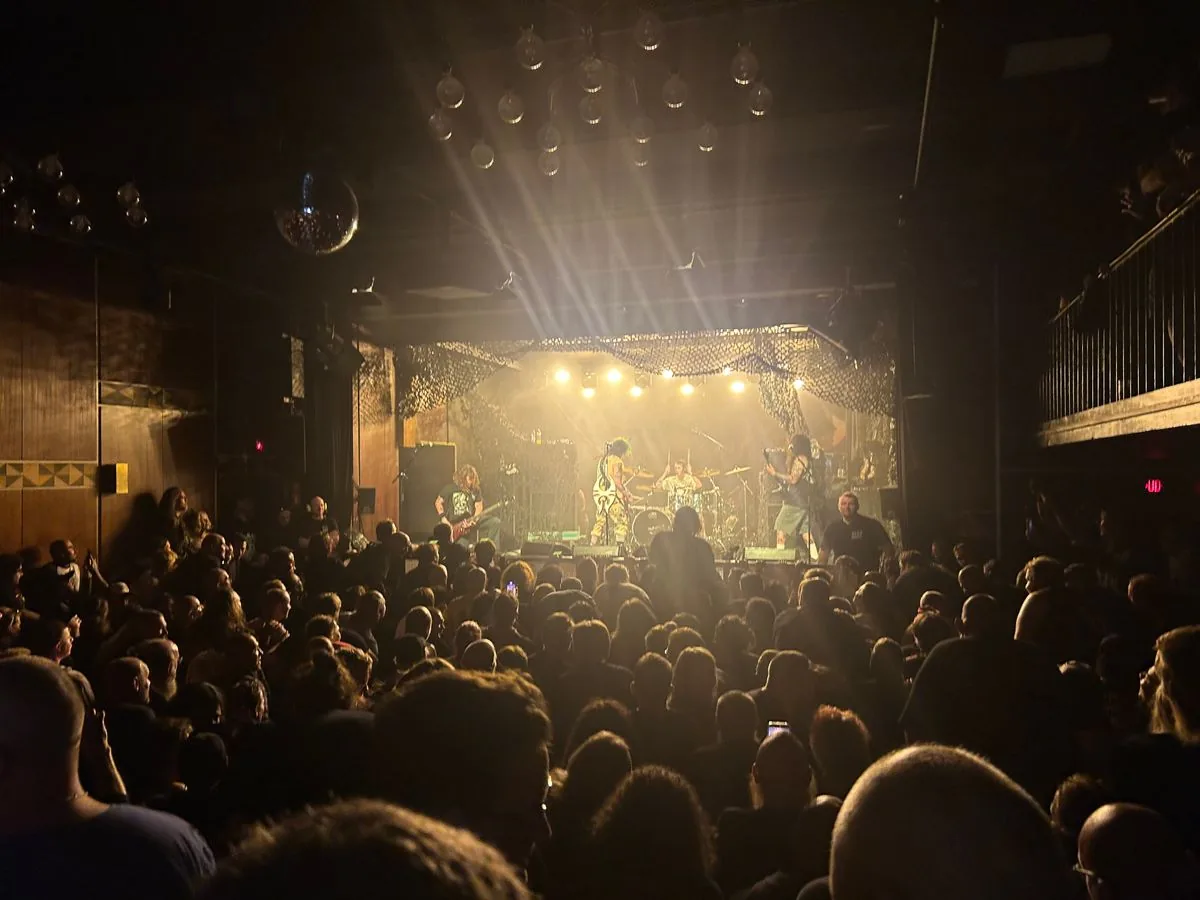
Lille Vega was the perfect room for that kind of thing. Not big enough to lose the pressure. Not small enough to turn claustrophobic. And the crowd was with them. A dedicated metal audience that seemed more interested in feeling every riff than starting a mosh pit just for the sake of the picture. Thank goodness. There’s something liberating about a crowd that actually listens. That doesn’t only want to document the night, but to be inside it. That’s rare enough in 2026, where half the concert experience often looks like a battle between stage lights and front cameras.
There wasn’t much talking in between, and honestly: thank you for that. Max Cavalera briefly said something about the excitement of playing “Favela/Dystopia” from the new album, and that was enough. No more Christmas stories. No more “Copenhagen, how are you tonight?” with that international, slightly weary accent all rock stars eventually seem to be issued. A Deftones cover fit in too, like a small nod to the genre’s shared DNA. And “Jumpdafuckup” arrived without Corey Taylor, but still with the sitdown Cavalera was once inspired to use by Slipknot. Details like that aren’t just fan service. They’re metal history in motion.
There were a few moments where a slightly odd backing track stuck out like a loose thread in an otherwise tight sweater. But that was minor. As a whole, the concert was so well-oiled, so direct and so full of value that it almost felt unfair to complain. You got the old songs, the new energy and that particular Soulfly feeling that metal can be spiritual without becoming solemn. That’s a difficult balance. They nailed it.
And maybe that’s the most impressive thing about Max Cavalera after all these years: he can still make a room feel like something more than just a concert. Not a museum. Not a nostalgia exercise. Just a living, sweaty, roaring community with berimbau, drums and a man with enough charisma to make even the hardest-bitten metalheads nod in time. It’s not subtle. It’s not meant to be. It’s just good. And sometimes that’s enough when Monday needs to be kicked out the door with dust on its boots.
En stjerne
To stjerner
Tre stjerner
Fire stjerner
Fem stjerner
Seks stjerner