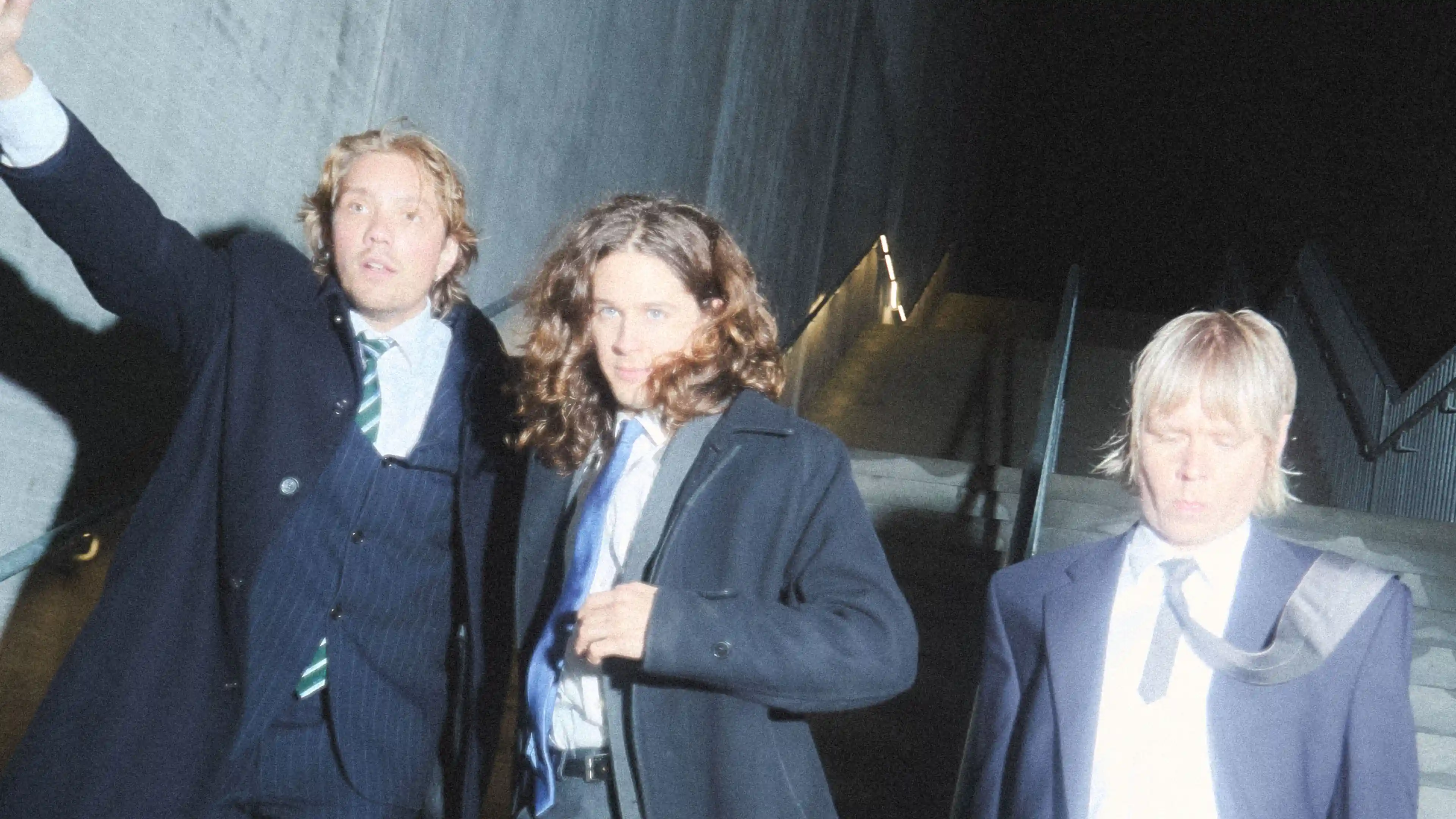



Sammy Virji’s show at Poolen wasn’t love at first drop, but the British DJ quickly turned the night into a heavyweight UK garage workout in Copenhagen. For the first twenty minutes, the room seemed more preoccupied with the distance to the stage, the crowd dynamic, and the format itself. Then the set locked into place and began to show exactly why Sammy Virji has become one of the hottest names on the international club circuit.
One star
Two stars
Three stars
Four stars
Five stars
Disclaimer: Apropos Magazine received access or a review copy. As always, we share our own impressions — unfiltered.
Six stars
ELOQ did exactly what a support act is supposed to do, and what far too many opening DJs either forget or overcompensate for. He lifted the room without trying to hijack it. There was none of that tiresome need to signal how impeccable his taste was, no insistence that the audience should stand in awe of his reference points. He simply played well. Very well, in fact. UK garage, house, flashes of old-school trap, and above all a sense that he was genuinely enjoying himself — which, honestly, matters more than it should. A DJ who looks like he is having a good time usually gives the room permission to do the same. It is not exactly rocket science. It is just still surprisingly rare.
It was also the first time I had seen him since AV AV AV’s final show at Poolen (read the review here), and there was something quietly satisfying about feeling how different he seemed now. Less concept, more momentum. Less installation, more instinct. He felt like a DJ who had been out in the wider European air and returned with a little more edge in the bag. Had he played for another hour, I would not have complained. Had he played an hour after Sammy, that probably would have worked too.
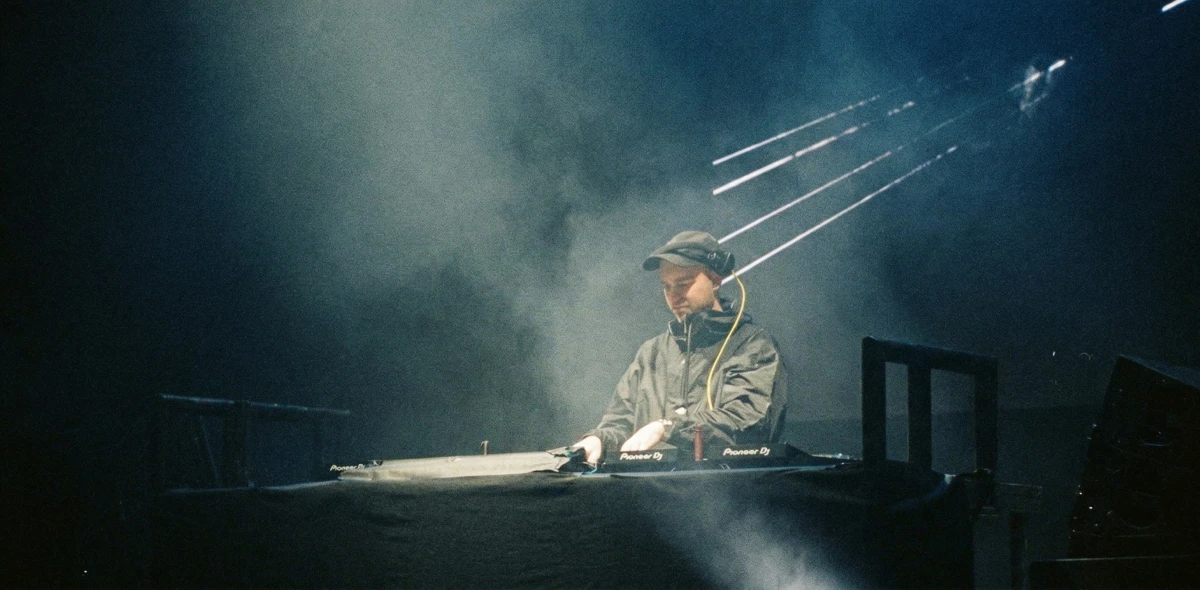
And then there is Sammy Virji, who, on paper, is exactly the kind of artist it is easy to describe a little too mechanically if you are not careful. UKG phenomenon. Viral breakout. DJ Mag. Global garage. Fred again.. Skepta. Chris Lake. All of that is true. But he is more than a producer with heavyweight basslines and sharp instincts. He has become a genuine figure in the newer wave of British club music, where garage is no longer something invoked with a nostalgic wink, but a sound that can fill large rooms, festival slots, and warehouse-style venues like Poolen in Copenhagen. He has made records with enough range and profile to exist simultaneously as underground currency and export product, which is impressive in itself. Most artists tend to drift to one side or the other. They either stay too niche to grow, or become so polished you lose the urge to dance to them.
Virji is from London and grew up in Witney, Oxfordshire. That is not just a line from a dry biography; it is part of the story he has told in interviews about how he got into music in the first place. He has spoken about growing up in a house full of soul, disco, and jazz, and you can hear that inheritance in the way he builds tracks. There is plenty of force in his music, but also something melodic and unexpectedly inviting before the bass does the rest. He studied biology at university, then dropped out to pursue music full time, which in hindsight looks like an unusually sound decision.
For a lot of people in the room, it is probably the Fred again.. connection that first put his name on the radar. That association has helped place him in a space where UK garage is no longer a niche reserved for people with highly specific sneakers, but part of a broader international conversation. Virji still sounds unmistakably like himself within that shift. Less diary, more sweat. Less therapy, more floor.
But Poolen is Poolen. It is a great room. A genuinely great one. Raw industrial shell, the right scale, plenty of air, and real weight in the space. But it is also the kind of venue that very quickly exposes what a DJ night can lack when the stage sits like a distant terminal at the far end of a human conveyor belt. For the first twenty minutes, I could not quite shake that thought. Not because it was bad. Just because intimacy is hard to manufacture when the man you came to see looks like a very well-paid USB stick on the horizon.
You could feel the absence of that Boiler Room logic our entire generation has more or less been brainwashed into craving. People around the decks. People behind the DJ. That illusion that everyone is somehow inside the engine room together. Here, we were instead standing neatly in front of the stage as if we had shown up to watch a presentation on the future of enterprise accounting software. Only with better smoke and more sweat.
Then it became clear that the crowd had no interest in spending the night analysing stage design. They were there to cause a scene. And honestly, it may have been for the best that they were not packed right up against the booth, because there were a lot of people in the room, and the atmosphere occasionally felt less like cool Copenhagen house culture and more like an EDM-obsessed sixth form crowd on a very good night out. Less ironic nodding, more full commitment. And you know what? It suited the night just fine.
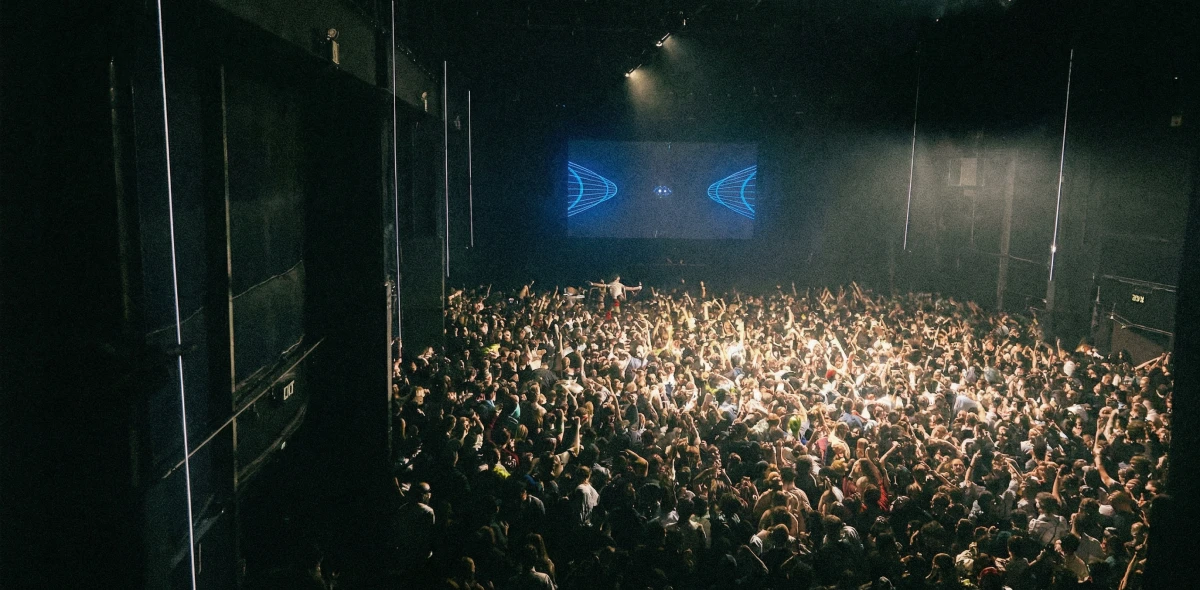
What Sammy Virji understood, and handled well, was that a crowd like this cannot be won over by finesse alone. It has to be directed. There has to be an arc. Space for that first stretch where people are still deciding whether they are here to stand with folded arms or with their hands in the air. And then, once the room is ready, you have to deliver.
That is exactly what he did. Not through some grand piece of stagecraft. Not through any visual breakthrough. Visually, the show was fairly flat. The screen did its job, the lights did theirs, and neither felt like the sort of thing anyone would still be talking about the next morning. But the energy kept building. Track by track. Drop by drop. And in the final stretch of the set, he hit that rare state where a venue stops feeling like a venue and starts feeling like a single organism.
From that point on, there was no point trying to stay cool about it. He played the recognisable tunes, the remixes, the obvious peaks, and by the end the set was hitting harder than it first seemed likely to. Not quite drum’n’bass, but with some of the same euphoric force. The same sensation that the crowd was no longer dancing to the music so much as being physically pushed around by it. And that was where the whole night clicked. That was where the distance made sense. That was where it stopped mattering that nobody was pressed up against the booth. The floor had become the booth.
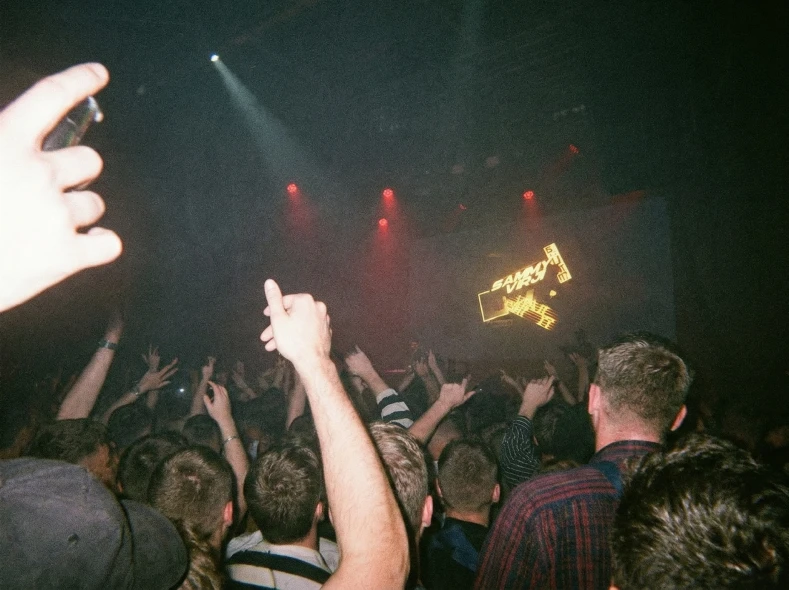
This is perhaps where the difference between a DJ set and a true live show comes into focus most clearly. Fred again.. can make you feel as if you are inside his diary. Sammy Virji makes you feel as if you have been pulled into a highly effective collective decision not to go home yet. It is a different kind of presence. Less emotion, more function. But the function worked.
Not a perfect night, then. The opening stretch was tentative, the stage felt a little too far removed, and the visuals were mostly just there. But it was also the kind of night that reminded you a party does not have to be elegant to be effective. Sometimes it just has to be built properly, then end with everyone forgetting whatever they were complaining about in the first half hour.