

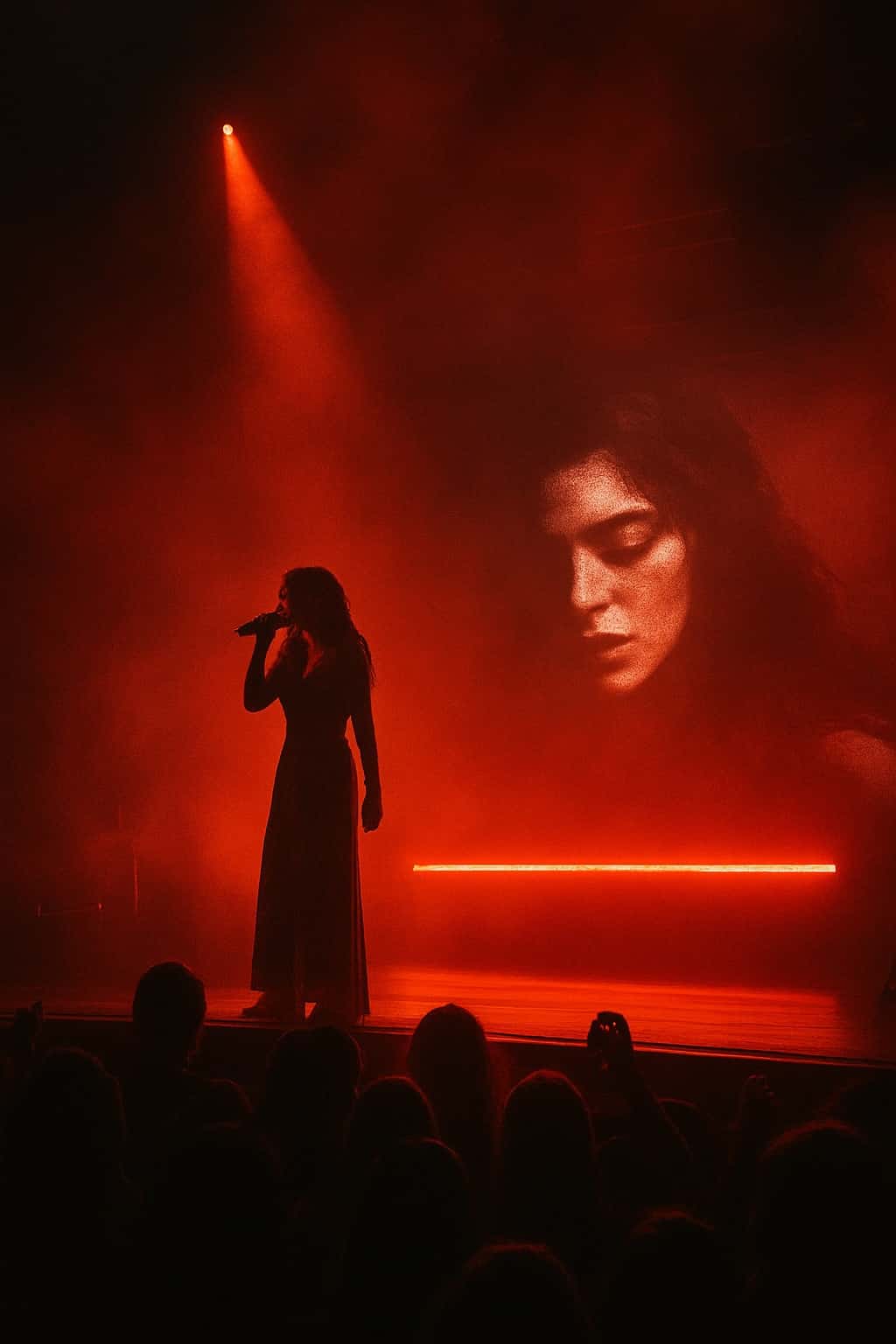
Lorde delivered her first Danish headline show with an ultra-sharp, choreographed and emotional concert universe. A rare pop night.
One star
Two stars
Three stars
Four stars
Five stars
Disclaimer: Apropos Magazine received access or a review copy. As always, we share our own impressions — unfiltered.
Six stars
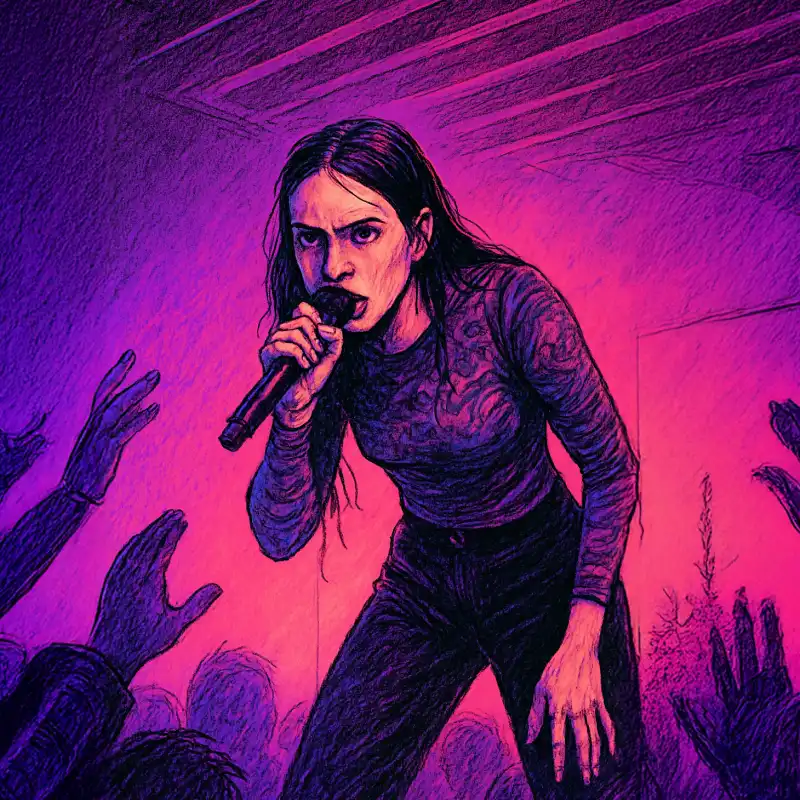
There are pop stars, and then there is Lorde. It sounds like a lazy distinction, but in Royal Arena it suddenly became concrete. The arena was packed to the brim for her first real Danish headline show – eight years after the infamous Roskilde moment where the audience was more or less forced to choose between her and Foo Fighters. Back then it felt like a career hiccup disguised as coincidence. This time, no one had to choose anything. The Ultrasound tour is Lorde’s stage, Lorde’s framework, Lorde’s story, and she insisted on owning it completely.
She opened with Royals, but not as we know it. No triumph, no singalong, no ironic distance. Instead, a muted, almost ascetic version that felt like a surgical maneuver: here’s the hit, let’s get it over with. It was an effective way of dismantling the weight of expectations in the room. The applause barely had time to swell before the song was gone again, and the message was clear. This wasn’t about the past. It was about Virgins – the new album, which she played in its entirety, without apologies. It’s a choice that can easily feel self-indulgent or even rude in an arena setting, but here it worked precisely because it was so consistent. Either you were in, or you were just an extra in your own nostalgia.
One of the most striking elements of the show was the choreography. Not because it was flashy or technically virtuosic, but because it actually made sense. There are plenty of pop concerts where you can almost smell the PowerPoint decks from the management meetings behind every single movement. Ultrasound felt like the exact opposite. The dancers weren’t decoration or visual padding, but integrated layers of the narrative. One of them sat eating apples in the opening sequence – a gesture so deliberately anti-pop-star that it punctured the arena’s usual dramaturgy. It wasn’t a gimmick, but an opening that allowed for a different way of looking at Lorde’s universe.
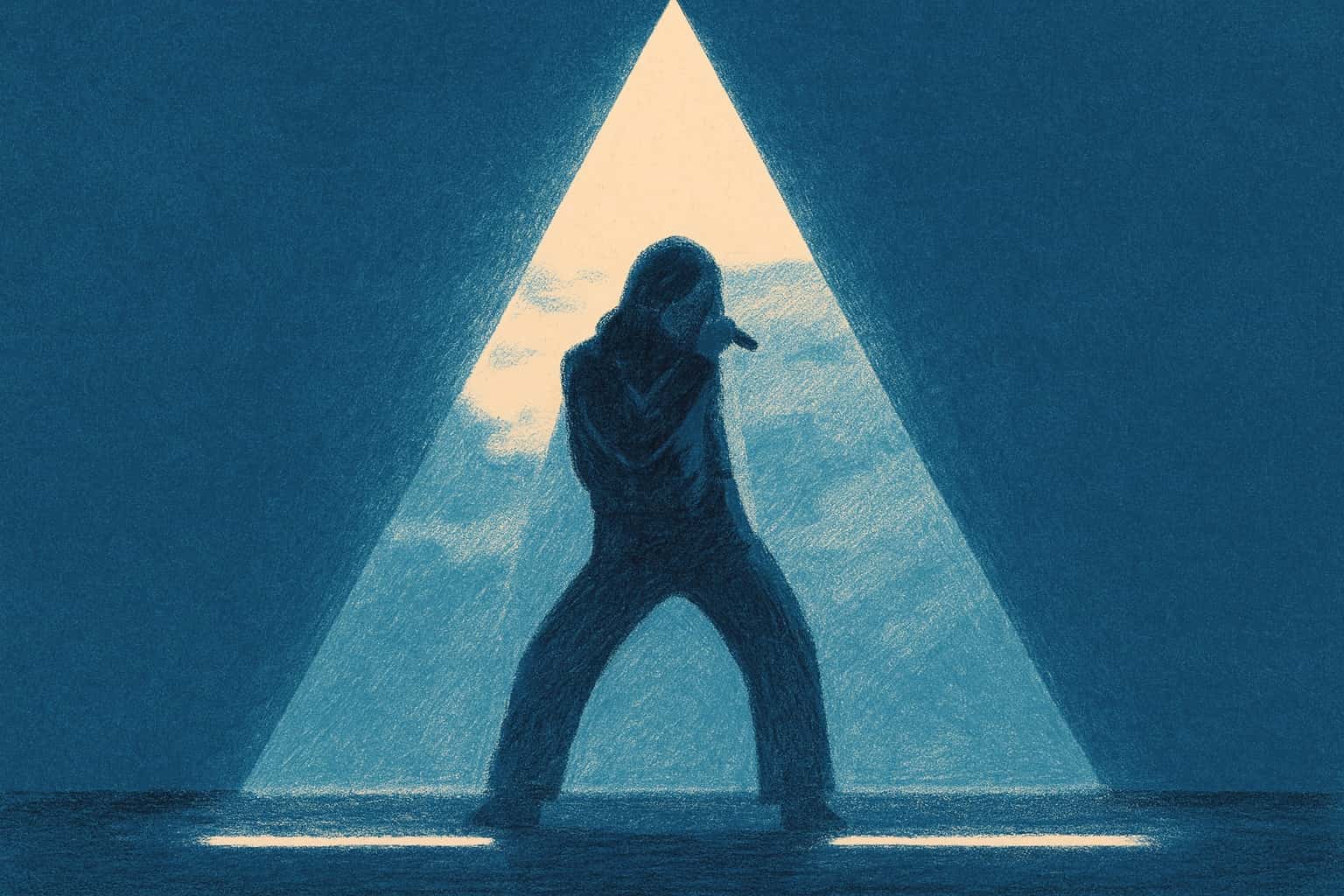
The musicians deliberately stayed in the background. Not as anonymous shadows, but as living textures supporting the whole rather than demanding attention. No “look at me” solos, no ego moments. It was notable in an era where even backing bands are often staged as individual brands. Here, the focus stayed firmly on the body, the movement, and the internal logic of the songs.
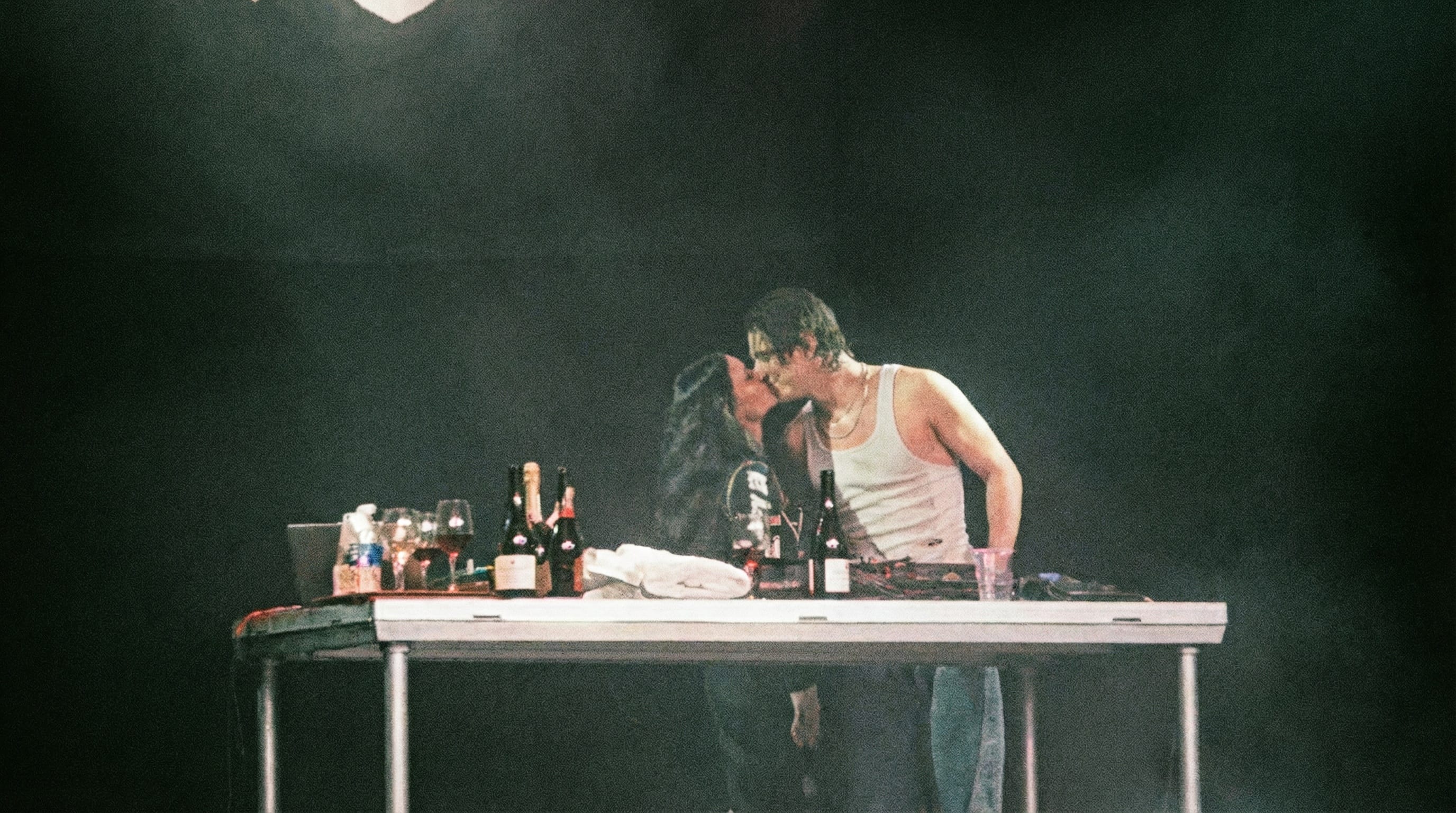
The show unfolded in layers as the night progressed. There were costume changes on stage, a belt slipping loose, jeans falling, without it ever feeling theatrical or calculated. Long camera shots from floor level followed the body closely and insistently, without tipping into voyeurism. A slightly raised platform created small pockets of intimacy within the arena’s otherwise cold and uncompromising architecture. Everything felt considered, but not polished. The choreography wasn’t ornamentation, but interpretation – a way of reading the songs through the body.
Lorde spoke quite a bit between songs. Normally, this is where you mentally check out when a global pop star starts talking about feelings, processes, and how “this song really means a lot to me.” But here, it worked surprisingly well. She didn’t come across as a prophet or a pop therapist, but as a human being who has actually been through something. Rebellion, collapse, silence, rebuilding. You could sense that she has lived with these songs, not just recorded them. Even if the speeches are identical every night, they didn’t sound rehearsed. They felt like pauses where she and the audience took a breath together.
There’s a layer of album mythology surrounding Virgins, where substances function as symbols for different artistic phases. It wasn’t spelled out directly from the stage – apart from a brief, almost matter-of-fact trip report – but if you knew that reading, it added an extra resonance to the atmosphere around the songs. Not as an explanation, but as an undertone coloring the experience. You didn’t need to understand everything to feel something, but understanding gave it depth.
The songs themselves functioned as an emotional atlas without clichés. Favourite Daughter was delivered with a confidence that already made it feel like a future concert staple. Perfect Places landed with a purity that almost stripped the title of its irony and opened the song up in a new way. Supercut created a breathable vulnerability that made the arena feel smaller, more intimate, as if the walls had moved slightly closer. The Louvre thundered forward with a “boom boom boom” in the sound design that was so physical you could feel it in your body – and I’m genuinely convinced people over in Fields could hear it too.
And then there was Liability. That song actually hurt. Not in a metaphorical, lazy way, but in a real one. As if the air in the room grew heavier, and you had to swallow once more just to breathe normally again. It was one of those moments where the arena format usually works against intimacy, but here it was turned into a strength.
Perhaps the most interesting aspect was how some of her biggest hits now feel like artifacts from a previous life. Team was delivered beautifully and with respect, but you could clearly sense that the Lorde who wrote that song is very far away today. There was nothing bitter in that, just a fact. Green Light was wrapped in a long, unsettling intro, almost as if she wanted to test how long the audience could hold the tension. When the release finally came, the entire arena exploded into a collective scream so synchronized it almost felt choreographed – without being so. It was pure, unfiltered energy.
Let’s just put it this way: Ultrasound lives up to its name. It’s penetrating, precise, and clinically clear in its vision. Seeing Lorde in 2025 is seeing a superstar who has shed the pop-smart surface and is left with something that actually feels authentic. If you get the chance to see her at Syd for Solen next year, do it. Most things in life are optional. This shouldn’t be.