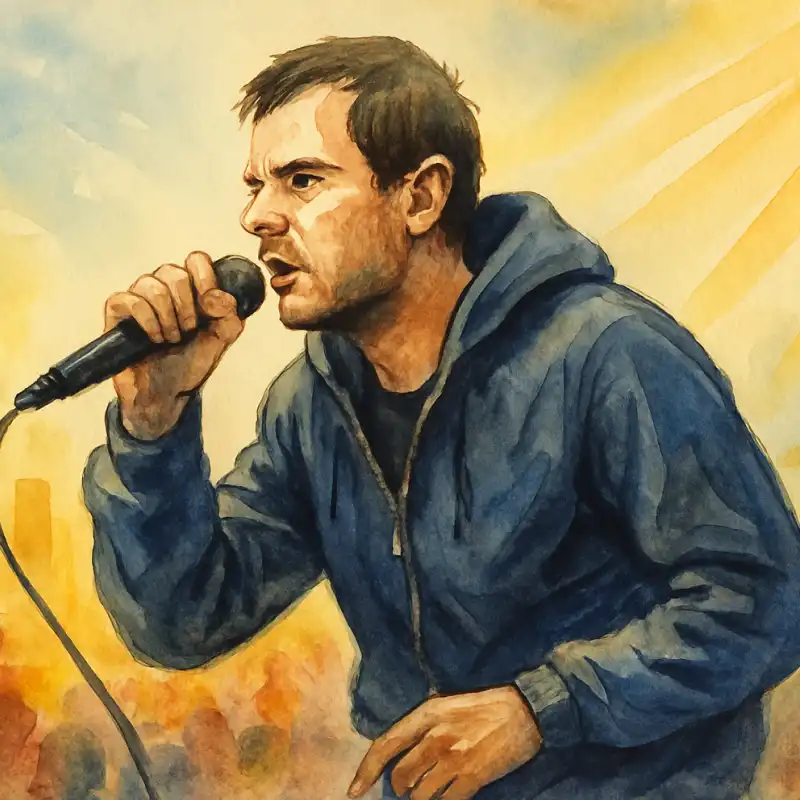
We always start in the same place when we’re heading to Bornholm: Torvehallerne. Coffee, supplies, and a firm editorial rule that you must never eat on the ferry — no need to explain why, but let’s just say a few buffets have ruined more than one good outing. From there, everything runs smoothly: through the Swedish countryside to Ystad, onto the ferry, and then it all feels almost easier than finding a buffet at Fisketorvet.
One star
Two stars
Three stars
Four stars
Five stars
Disclaimer: Apropos Magazine received access or a review copy. As always, we share our own impressions — unfiltered.
Six stars
There’s a particular calm in starting a festival trip by sitting in a car with your friends, listening to music, tossing your bag into the boot and just enjoying yourselves. The ferry is the ferry. You always run into old primary-school classmates, dogs (because there are always more dogs than people on board), and the looks on the faces of the festival-goers full of anticipation are part of the build-up. 1 hour and 20 minutes later, you’re standing on the Island of Wishes — Bornholm welcomes you in full sun.
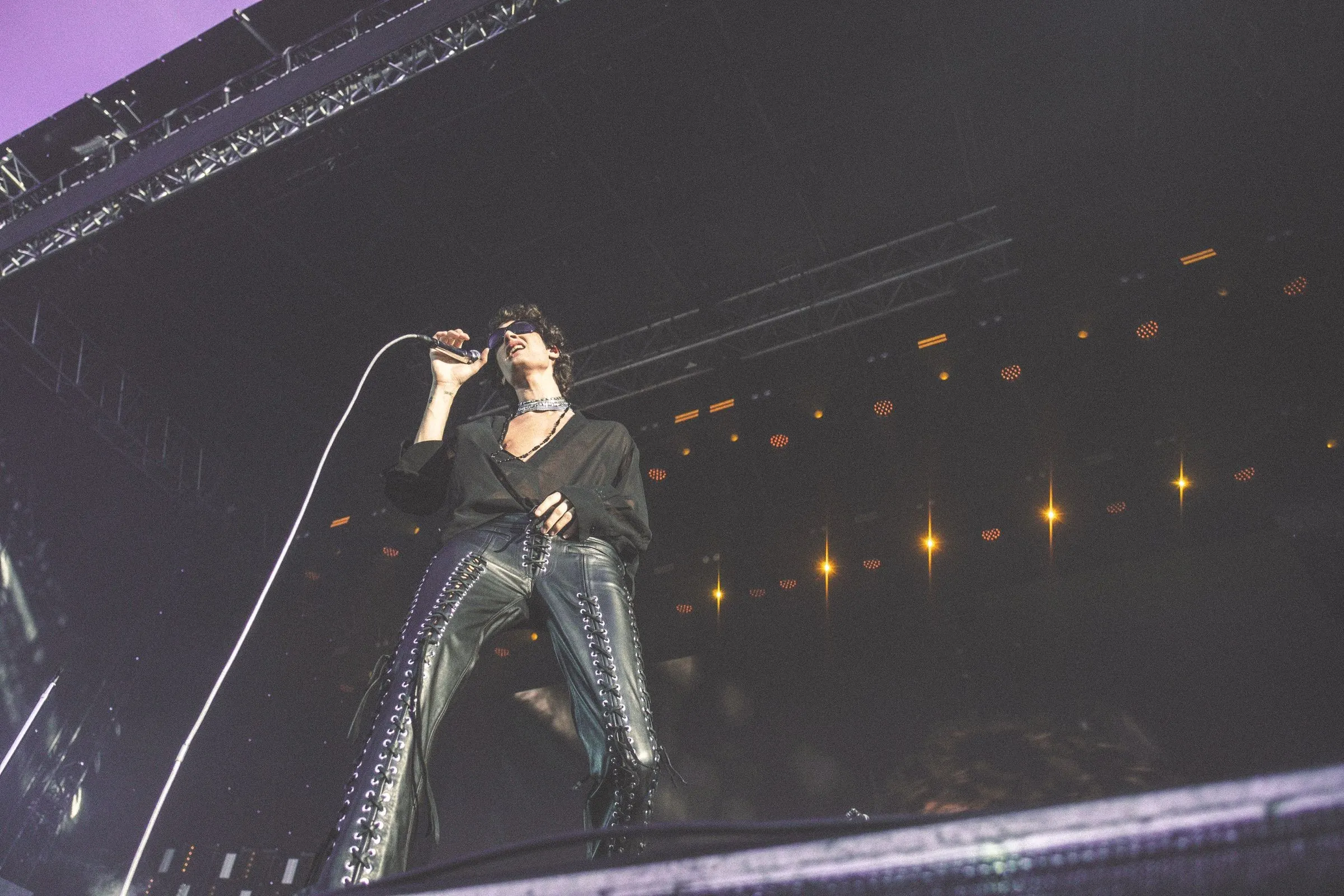
We’re staying in Nordlandet, about 3.3 km from the festival. Or, as a Bornholmer would put it: a five-minute walk. Bornholmers’ relationship with distance is a study in itself. If Frodo Baggins had been from Bornholm, he’d have estimated the trip to Mount Doom as “a weekend away.” In reality, our walk took just under 50 minutes, and I’d already regretted the leather trousers. But can you go to a D-A-D concert without leather trousers? The answer is no.

On the way, we peered into what in the US would be called a “tailgate area”: hundreds of young people who had created their own festival in the parking lot. SOUNDBOKS speakers, beer bongs, Bordershop beer. A whole micro-world where the party was already in full swing. Had I been closer to 20 than 40, I would have walked straight on board.
At the festival itself, the first impression isn’t all that different from anywhere else — stalls, long tables, plastic cups. But then you turn around and see Hammershus, standing there like an erect limb jutting out over Bornholm, and you’re struck all over again by how absurdly beautiful it is here. It always takes a few minutes to collect yourself. The food isn’t the festival’s strongest card — it’s a bit like a swimming-pool canteen in the early ’90s. But there is something charming about eating fries that could have been fried by your primary-school teacher. Last year we ate at the volunteer restaurant on site, and we probably should have done that again.
And then there are the volunteers. Bornholm has something special here. If Russia ever attacks Denmark, pray that it’s the Bornholm volunteers who are in charge of the defence. We’ve all seen the exhausted high school students at Roskilde who regret their shifts. Imagine the exact opposite. Whether it’s the bartender, the cup collector or the woman with a blanket over her legs guiding you to the toilet, you’re met with a smile. They’re calm, they make you feel safe, and they know that we’re all idiots and drunk — just like their own children. There’s a pride in volunteering here, and it’s infectious.
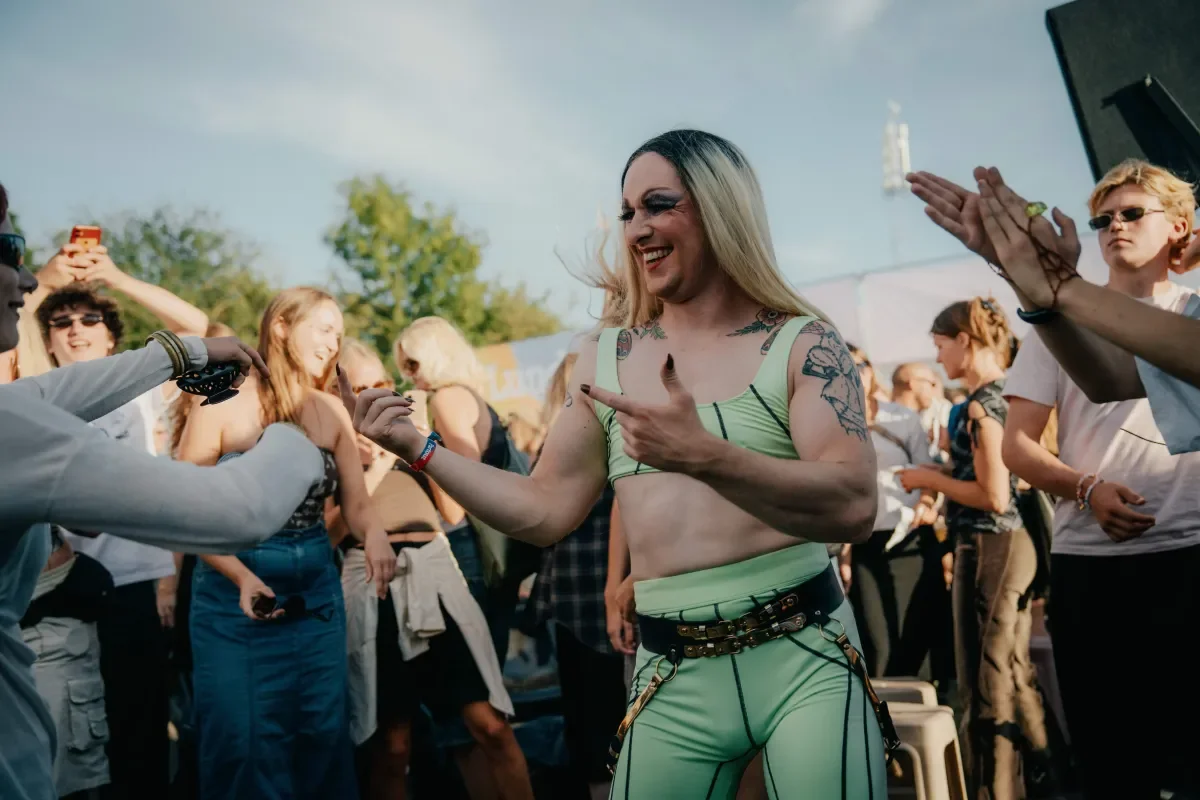
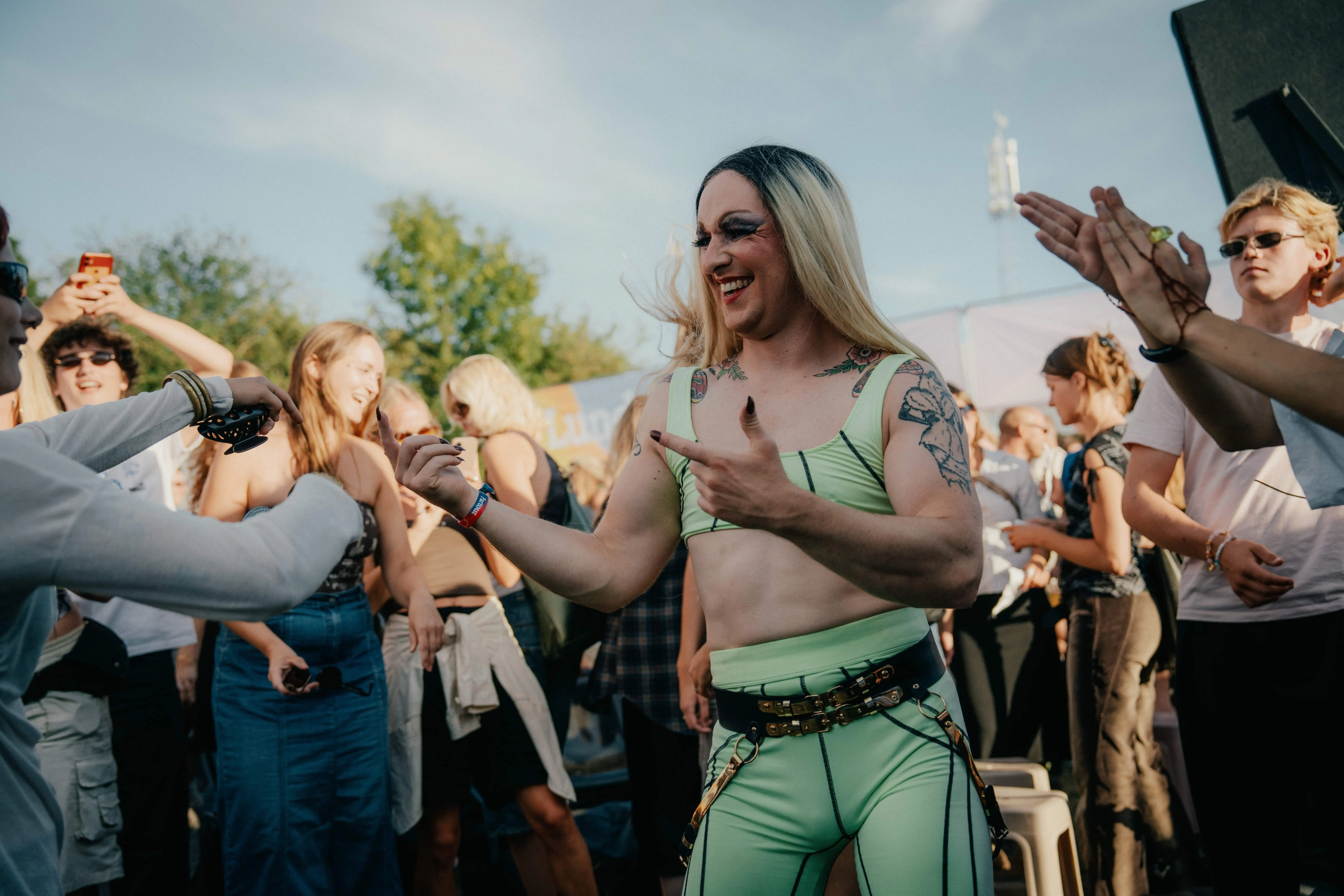
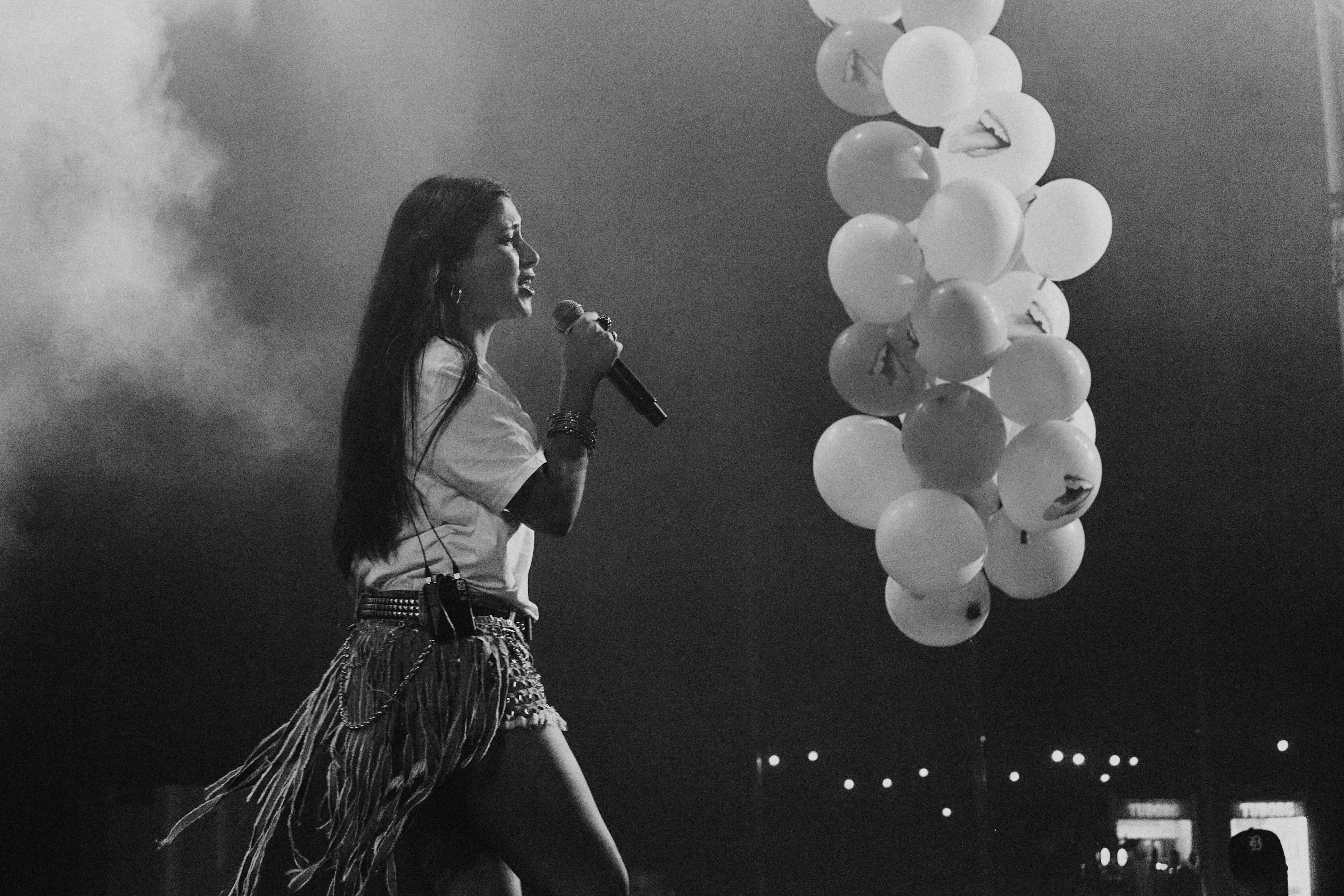
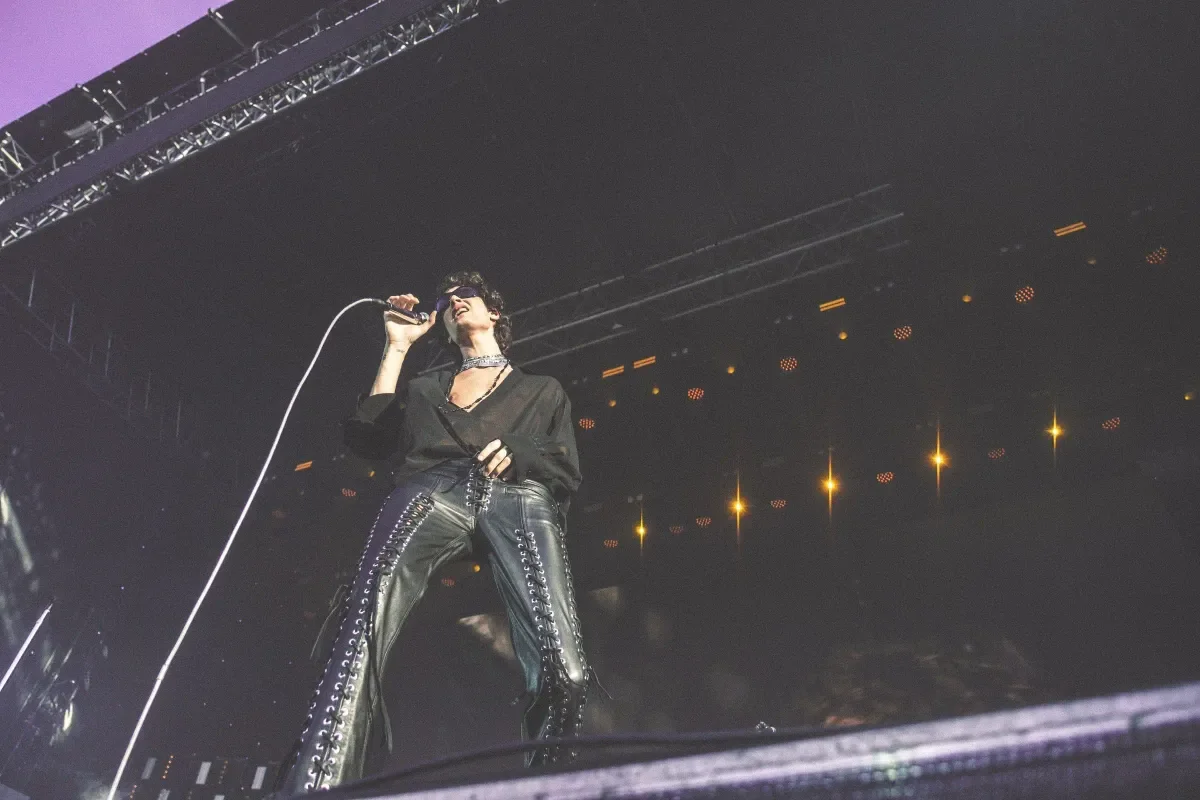
And then to the music. On paper, Wonderfestiwall’s programme looks like many other Danish festivals — D-A-D, Tessa, Blæst, Kind mod Kind, Uro, Magtens Korridorer. But they’ve also sprinkled in international names like Anastacia and Astrid S. And even if Anastacia didn’t deliver anything particularly special, it still sends a signal: this festival wants more than just “the usual.” It lifts the line-up and gives it a distinctive edge that makes Wonderfestiwall different from the copied-and-pasted Danish festival posters.

All of it is amplified by Bornholm’s hospitality. The artists stick around; they’re not just there for a quick gig. You can feel it at the concerts: looser, wilder, more present.
The sound is another matter. At the main stage, people were standing with their hands over their ears. I have custom-moulded earplugs myself, and even so my ears hurt for days afterwards. Yes, yes, we get it — the system is huge. But volume and sound quality are two different things. It should be allowed to sound properly.
On the other hand, there was the Red Bull stage. A party without a filter. Music so proletarian it almost became art. Anne Linnet mixed with Nik & Jay in mashups that never left the island. No ironic distance, just a party. It was beautiful, and it was said that the stage eventually almost collapsed under the pressure. Which makes sense.

Later that evening we passed by “Sletten” — Wonder’s answer to Kærligheden at Smukfest. Six beers for 150 kroner (which in festival language is almost free), DJ setups with both Copenhagen and local names, but unfortunately also a security team that nearly outnumbered the guests. When the ratio is 5 guards to 1 guest, it’s hard to lose your festival virginity. I saw an older guard pour out a 2 cl Flugel shot in front of a group of young people and then pull the kid aside for a dressing-down. It felt petty and unnecessary. A little less supervision, a little more festival freedom would suit the place.
And then there’s the special thing: Wonderfestiwall is very self-made. You can feel the Bornholm entrepreneurial spirit all the way through — from the local volunteers to the way the festival brands itself. They’ve been good at building a story, and people like Daniel Mühlendorph (founder of Wonder), who helps push the festival into the media, are a good example of how much Bornholmers love backing their own projects.
Even so, it’s hard not to love Wonderfestiwall. There are no other festivals in Denmark where you can leave a laptop bag, come back 20 minutes later, and find a group of young people who have been looking after it. The atmosphere is calm, safe, but at the same time wild and chaotic in the beautiful way festivals are supposed to be. It’s convenient, it’s quick, and it’s Bornholm — and that’s enough to make you forget sore ears and sweaty leather trousers.
Reflection
Going to Wonderfestiwall feels a bit like cheating the system. It’s faster and more convenient than most festivals on the mainland, and the journey itself is part of the experience. The programme may look like all sorts of other things, but when you’re standing in the sunset with Hammershus behind you, it’s clear that this is something special. A festival where chaos and safety live side by side, carried by volunteers and a local pride that makes all the difference. If it weren’t for the deafening sound, it would be a six.
En stjerne
To stjerner
Tre stjerner
Fire stjerner
Fem stjerner
Seks stjerner