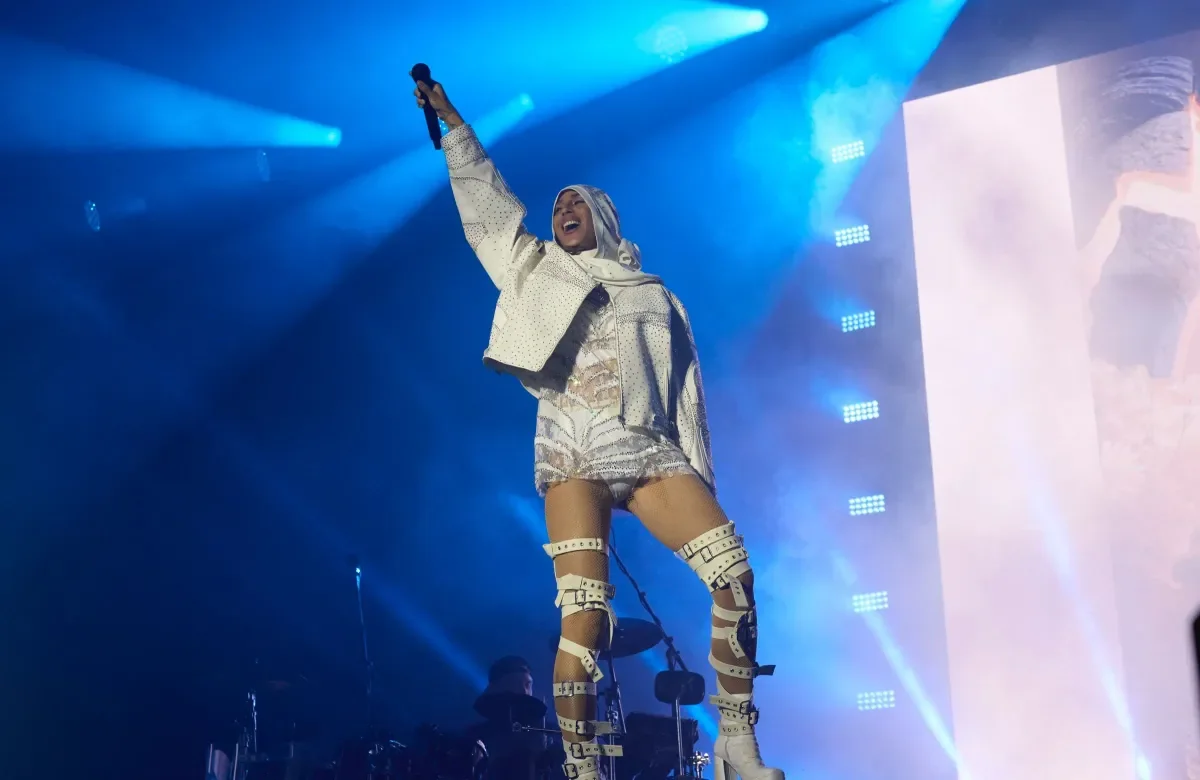
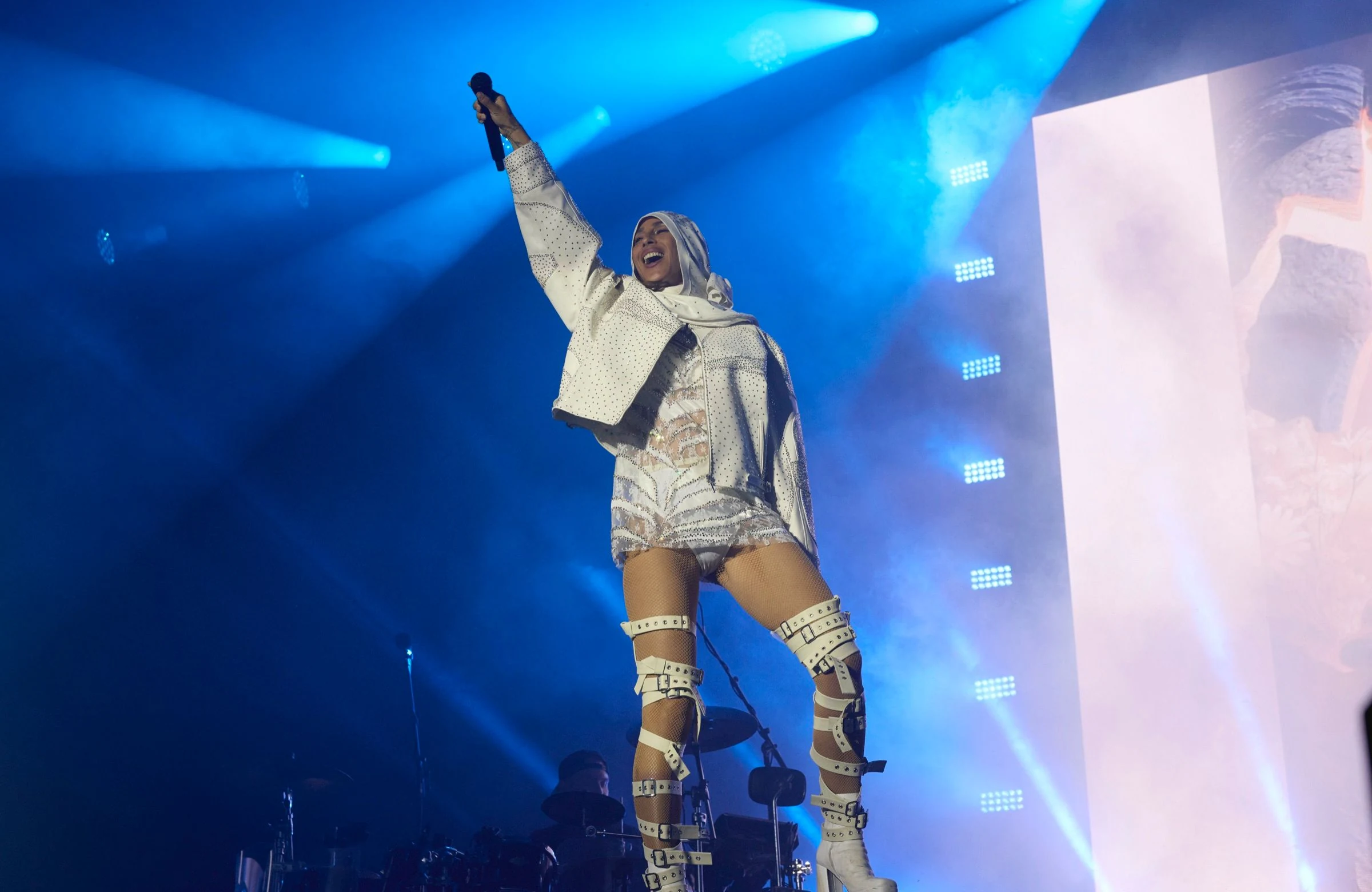
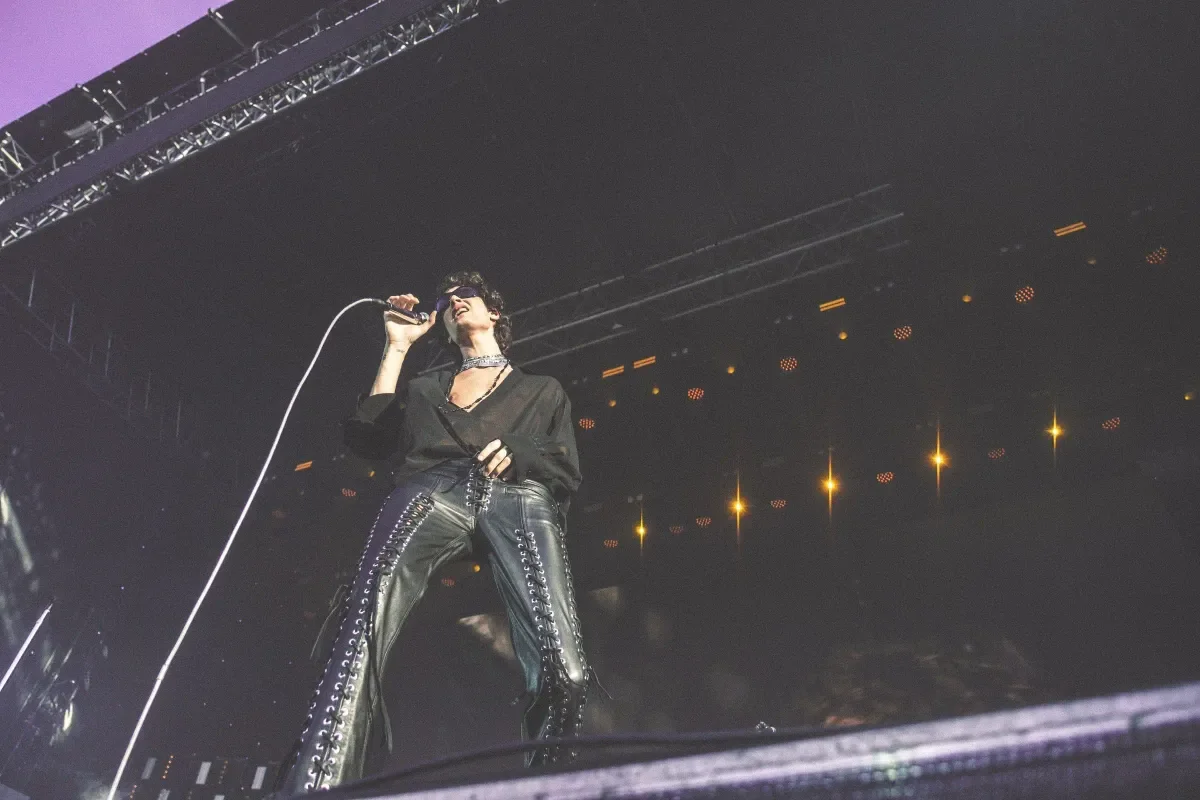
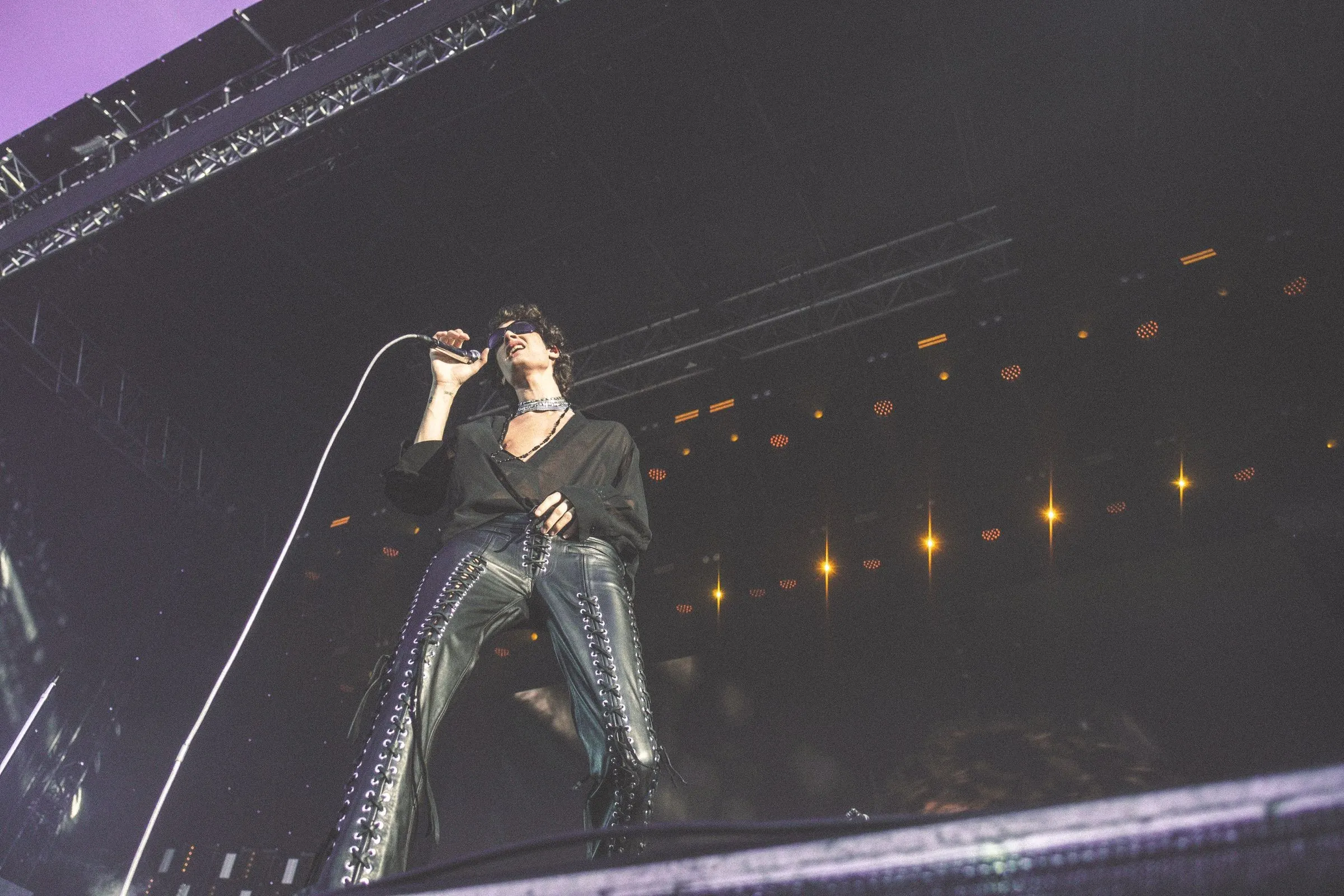
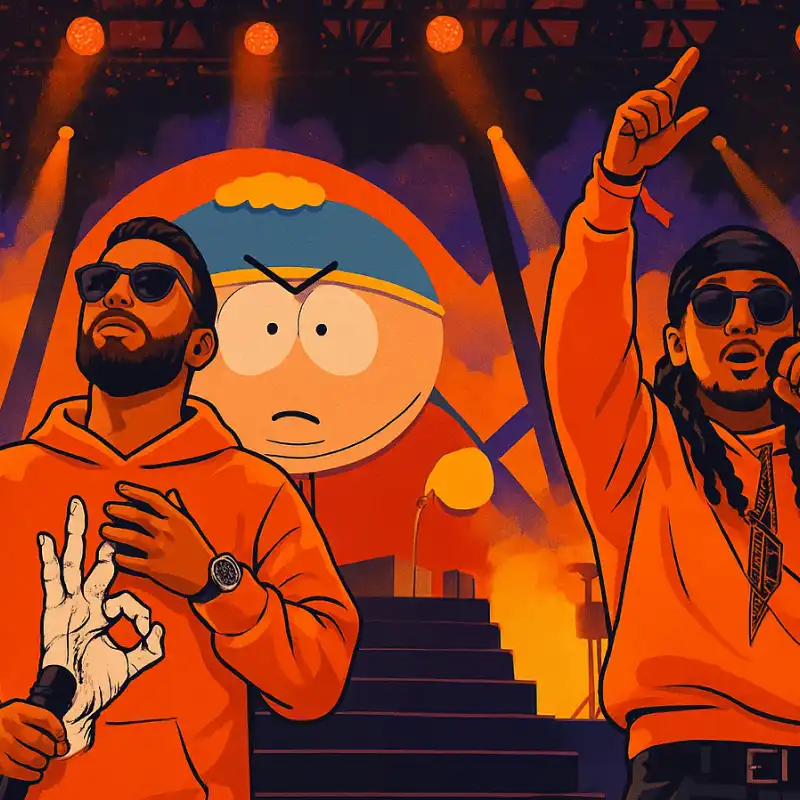
On 17 July 2024, Lunden in Horsens was transformed into a resonant chamber for two of the strongest live bands of our time. Mew and The War on Drugs met in the open, green amphitheatre — and let their melancholy sound worlds mirror one another in the summer light.
One star
Two stars
Three stars
Four stars
Five stars
Disclaimer: Apropos Magazine received access or a review copy. As always, we share our own impressions — unfiltered.
Six stars
The open-air stage at Lunden is tailor-made for evenings like this. The gently sloping lawn gives everyone a clear view, like a natural amphitheatre, and the dense greenery around the stage creates a sense of enclosure that few outdoor concerts manage. Between bars, food trucks and happy guests, an atmosphere emerged that felt most of all like a mini version of Roskilde Festival — just without the dust, the chaos and the compromises.
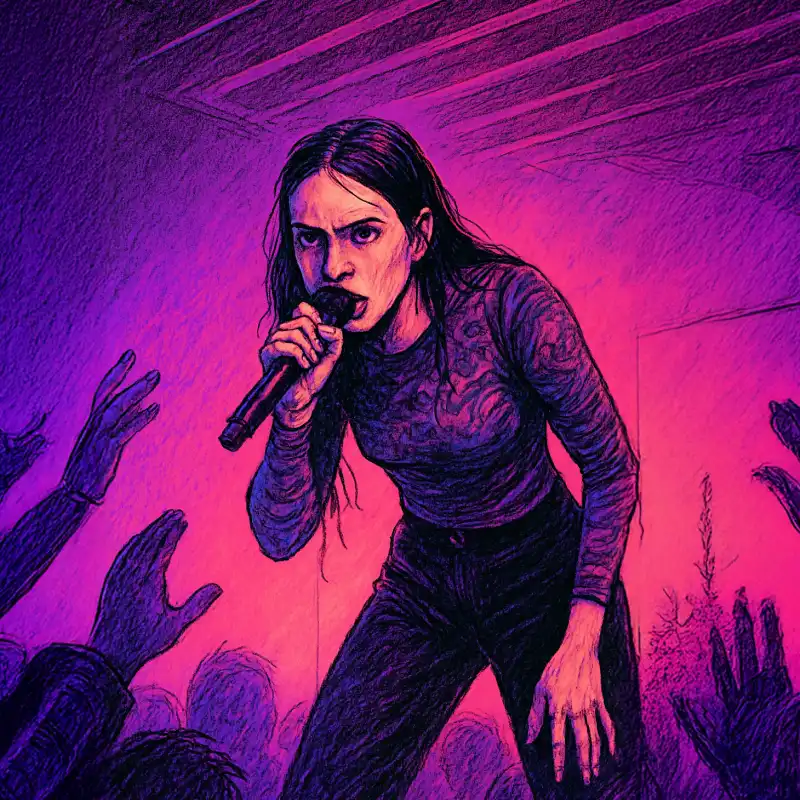
Mew opened the night — and did so with something like the elegance of conviction. They began with “Snow Brigade” and shaped the setlist with surgical precision. The audience, many of them clearly there for Mew alone, were carried along by a stream of familiar chord progressions and unexpected turns. Like an architect in sound, Jonas Bjerre and the rest of the band constructed an hour in which each song was allowed to speak for itself — no chatter, no interruptions, no irony.
Particularly striking was the lighting: simple, almost minimalist, yet still leaving room for detail. Drummer Silas Graae stood almost bathed in spotlight, playing like a rhythmic clockwork mechanism. His drumming is not flamboyant, but deterministic — as if every strike is programmed for exactly the right place in time and space.
The audience got both “Special” and “The Zookeeper’s Boy” in classic succession, and everything culminated — as it should — in “Comforting Sounds”. The absence of visuals and Bo Madsen was noted, but not missed. Mew played with a kind of undisturbed dignity that doesn’t need nostalgia to work. When Johan Wohlert said goodbye, it almost felt like an ending — despite the fact that the headliner had not yet taken the stage.
And then The War on Drugs came on — ten minutes early. No drama, just music. “Brothers” and “Baby Missiles” opened, before we were thrown into the sonic universe that defines Granduciel and his ensemble: “Pain”, “An Ocean in Between the Waves”, “Red Eyes”. Nothing overdone, everything exact. Not in the sense of “controlled”, but in the sense that nothing was left to chance.
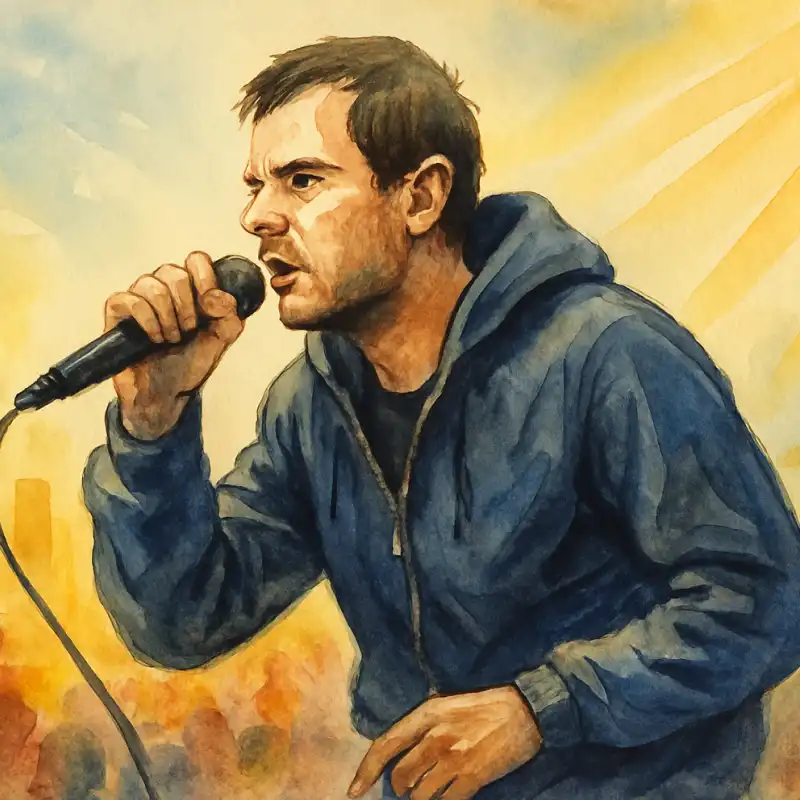
Adam Granduciel, as always, seemed half present, half in his own world. He spoke to the audience, recognised fans, told stories and responded to requests. A frontman with both distance and presence — and perhaps a hint of sarcasm that never quite left the tone. “I’m here to please,” he said, and no one doubted it.
The setlist was generous and long. Seven people on stage, and yet no mess. They played an acoustic version of “Eyes to the Wind”, which felt like a much-needed moment of stillness in the middle of the vast, dreamlike sound tapestry. And when “Under the Pressure” rolled over Lunden like a sonic tidal wave, it only felt natural that it was followed by “I Don’t Live Here Anymore” — with each band member introduced during the long intro loop.
The concert ended as it should, with “Thinking of a Place”. The moon peered out from behind the treetops, and there was something almost liturgical about the ending. The lulling tone felt deliberate — not a bang, but a sigh. An acknowledgment that the biggest thing is not always the loudest.
Conclusion without a conclusion:
Mew and The War on Drugs didn’t just play concerts — they created a space where longing was allowed to be honest. And in that space, we were reminded that musicians who truly mean it still exist. An evening carried by technical mastery, artistic integrity and surroundings that framed it all beautifully.
En stjerne
To stjerner
Tre stjerner
Fire stjerner
Fem stjerner
Seks stjerner