

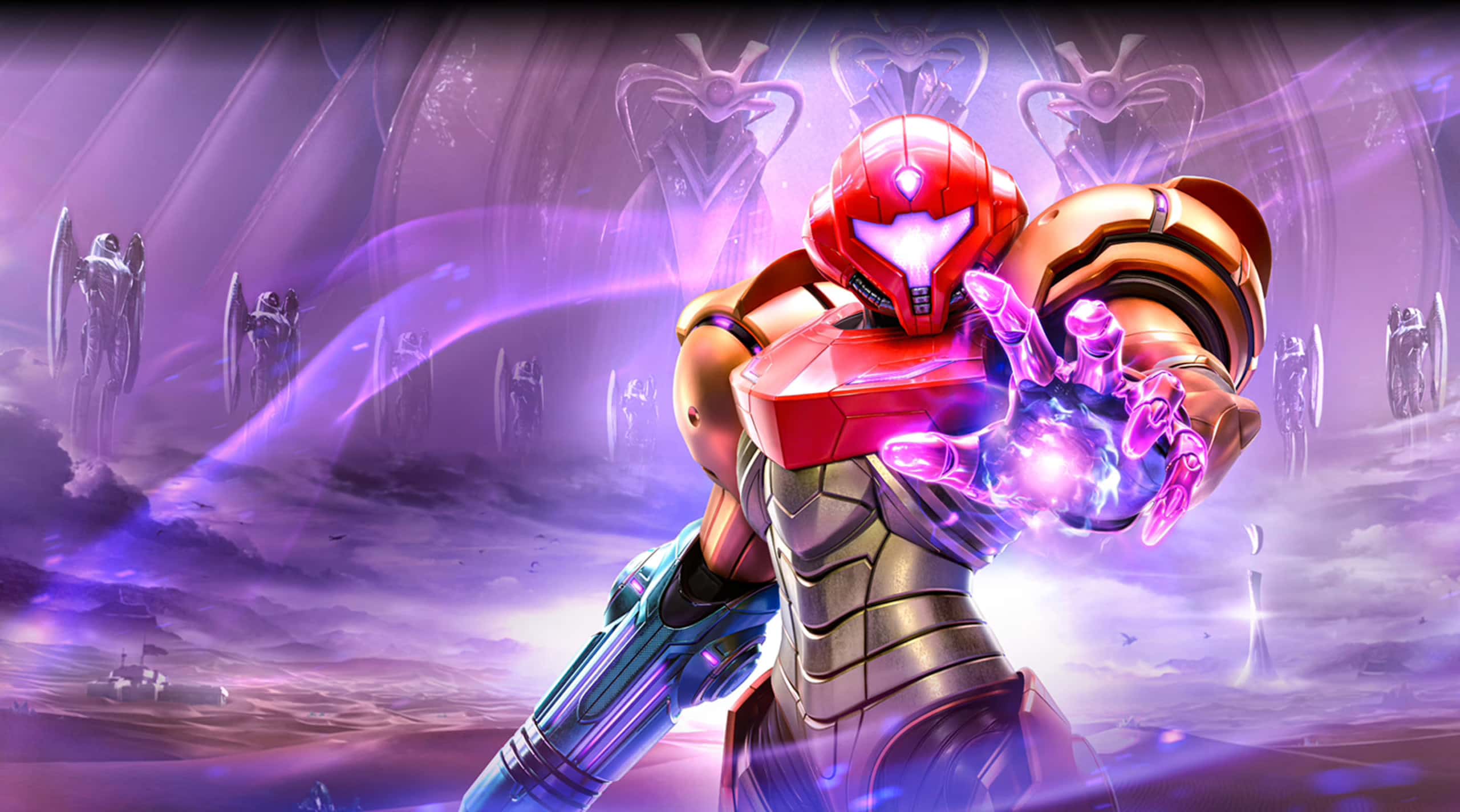
I had forgotten how slow a game can be—and still feel intense. Metroid Prime 4: Beyond isn’t interested in pleasing algorithms or keeping you constantly stimulated. It wants your time, your patience, and your attention. If you give it that, it provides something rare in 2025: a game that trusts silence, structure, and weight.
One star
Two stars
Three stars
Four stars
Five stars
Disclaimer: Apropos Magazine received access or a review copy. As always, we share our own impressions — unfiltered.
Six stars
That alone is enough to raise the pulse of anyone who once had a GameCube sitting under the TV in the 2000s. Metroid Prime wasn’t just a side project or a strange experiment. It was one of the highest-reviewed games on the platform, and it proved that first-person didn’t have to be fast, loud, or dumb to be effective. It could be slow, methodical, almost contemplative—and still gripping.
That’s why the hype around Metroid Prime 4: Beyond is enormous. Not just because Samus is finally back in first person, but because the game’s development history has been, to put it mildly, uneven. Announced, scrapped, restarted, and only much later reintroduced as a finished project. The question almost asks itself: was the wait worth it?
The game throws you straight into the action. A villain named Sylux attacks the Galactic Federation. A distress signal is sent. Samus responds—because she happens to be nearby. No long explanations, no exposition disguised as dialogue. We’re moving. The story works more as a framework than a driving force, and that’s entirely intentional. Metroid has never been about plot twists or moral speeches. It’s about atmosphere, isolation, and the feeling of being alone inside a hostile system.
One of the most striking things about Metroid Prime 4 is how unapologetically old-school it feels in its structure. Not retro as a gimmick, but genuinely conservative in its design philosophy. The pace is slow. Aim assist is pronounced. FPS players raised on Call of Duty will probably cringe. But once you accept the premise, it makes sense. You’re not a soldier. You’re inside an extremely advanced suit, and the game wants you to feel its weight.
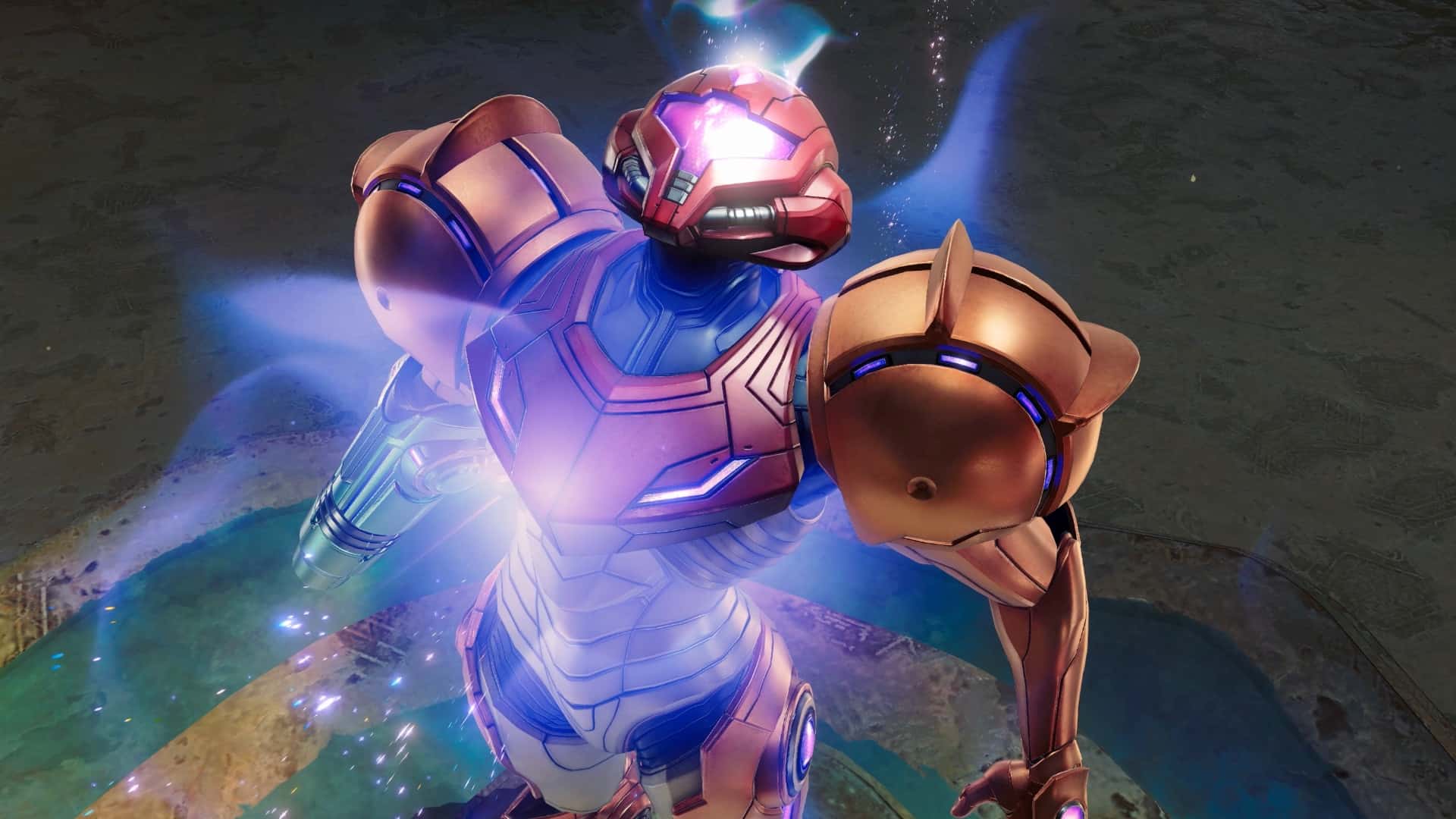
The enemies are anything but easy. Regular encounters can escalate quickly, and boss fights are genuinely demanding. Often it’s not immediately clear what strategy will work. You observe, fail, and adjust. It feels more like combat than shooting. As if the game keeps reminding you that power in Metroid isn’t about reflexes, but about understanding.
In practice, Metroid Prime 4 is just as much a puzzle game disguised as a shooter. You constantly switch between psychic abilities, elemental weapons, Morph Ball, scanning, and environmental interaction. It demands overview and patience. Many areas explicitly invite backtracking once new abilities are unlocked. For some, that’s grind. For others, it’s the pleasure itself. The world unfolds slowly, and the reward is mastery—not a notification telling you how clever you are.
Atmosphere is carried heavily by sound. The soundtrack is excellent, precise in its restraint, and silence is used deliberately. Music appears where it needs to deepen immersion and disappears again. The worlds are beautiful, moody, and unmistakably Nintendo—yet darker and more dystopian than much else from the company. Visually, you can tell it’s built for the Switch. Some elements look slightly dated, but it’s livable, or I need to get myself a Switch 2 for the full experience.
The biggest new addition is a motorcycle, unlocked relatively early. It’s used for transport and a handful of sequences and works fine on a technical level. Design-wise, though, it feels oddly outdated. Long stretches where very little happens. It recalls Hyrule Field in Ocarina of Time or the sailing in Wind Waker. In 2025, it feels more like filler than necessity—an awkward in-between space in an otherwise tight design.
The save system is just as uncompromising. Classic, sparse save points. No checkpoints every five minutes. There are consequences. It creates tension, but also frustration. More than once you’ll find yourself running back to save after a tough boss, just to be safe. There’s a strange charm to it. A youthful stress memory of ink-ribbon economics in Resident Evil. Thankfully we’re not quite there—but it’s close.
Samus herself says almost nothing. Less than Link. NPCs talk at her, but she remains silent. It can feel comical, but it also reads as a statement. Sometimes you say more by saying nothing. A professional bounty hunter keeps the mask on—literally. There’s a subtle but clear feminine presence in her portrayal. Not emphasized. Just there.
Metroid Prime 4: Beyond isn’t the greatest game ever made. But it is a consistent, atmospheric, demanding game that dares to trust its own formula. It’s slow, methodical, and uncompromising—exactly how Metroid should be. New Nintendo players should give it a chance. Metroid fans are already deep inside. Samus is back. And she’s in no hurry. The GameCube legacy continues—on purpose.