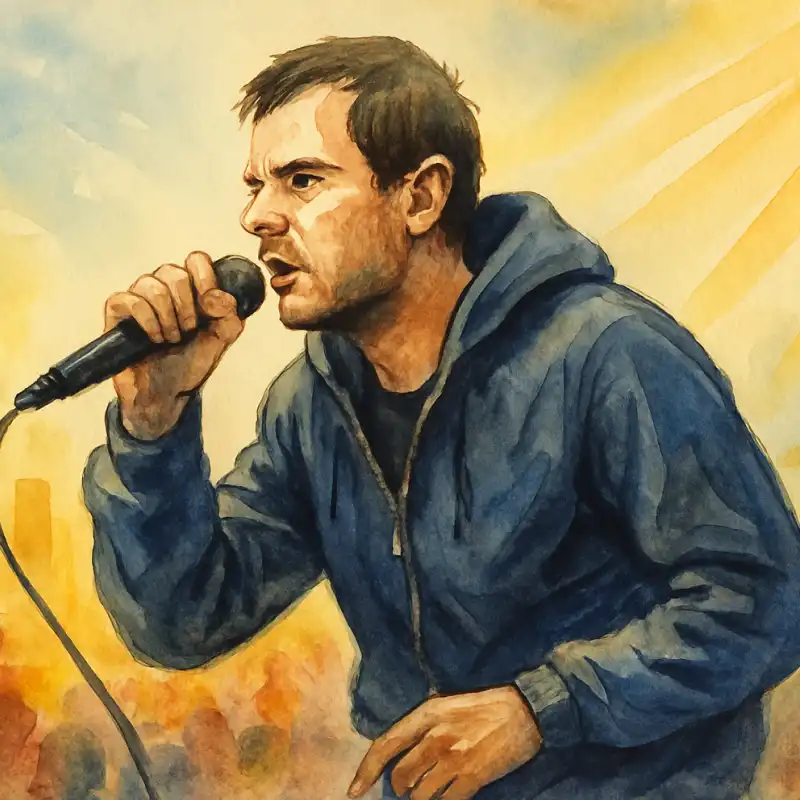
Heartland at Noma. The title alone smells of conceptual bullshit and natural wine with a little too much attitude. But in the middle of that pretentious inferno — yes, perhaps precisely despite it — I had the greatest musical experience of my life.
One star
Two stars
Three stars
Four stars
Five stars
Disclaimer: Apropos Magazine received access or a review copy. As always, we share our own impressions — unfiltered.
Six stars
We start in a greenhouse. Our tickets are scanned, and a staff member who looks like they’ve been outside a little too long ties a small piece of white rope around our wrists. The white rope — a symbol of what, exactly, who knows — feels like a slightly too honest metaphor for what we’ve signed up for: an experience that binds us together, but also feels unnecessarily tight and cold around the edges.
The entrance is beautiful. Everything is beautiful. It is Noma, after all.
Like everyone else, we walk in pairs. It’s date night in our late thirties, and we’re all wearing the same Arket coat — with one single exception in dark blue, but otherwise we stand there like a troop of identity crises in uniform.

I’ve never been to Noma before, so I make a point of not taking photos — but the others don’t, so I sneak one anyway and just try to look like I belong.
We move through the rooms, meet an unattended cloakroom (bold), a DJ set by T.O.M hooked up to two B&O speakers (branding), which doesn’t reach much farther than a metre and a half from the booth, and end up down in the canteen. There stands the woman from Torvehallerne — the kind of influencer-chef type who has turned tacos into a personal brand. Good prices — very small portions. Good wines — very small glasses.
The bar is hard to find, but the prices are surprisingly fair. The quantity, however — half a sip for 85 kroner.
The whole thing feels like conceptual showboating.
As if Heartland and Noma sat down together and made an event that is supposed to “feel like something,” without quite knowing what. And that is exactly where my scepticism peaks.
Oh yes — and there was also a talk in a room far too small, where nobody wanted to go in, but people still chose to stand there blocking the entrance. Never mind. Move on.
But then the concert starts.
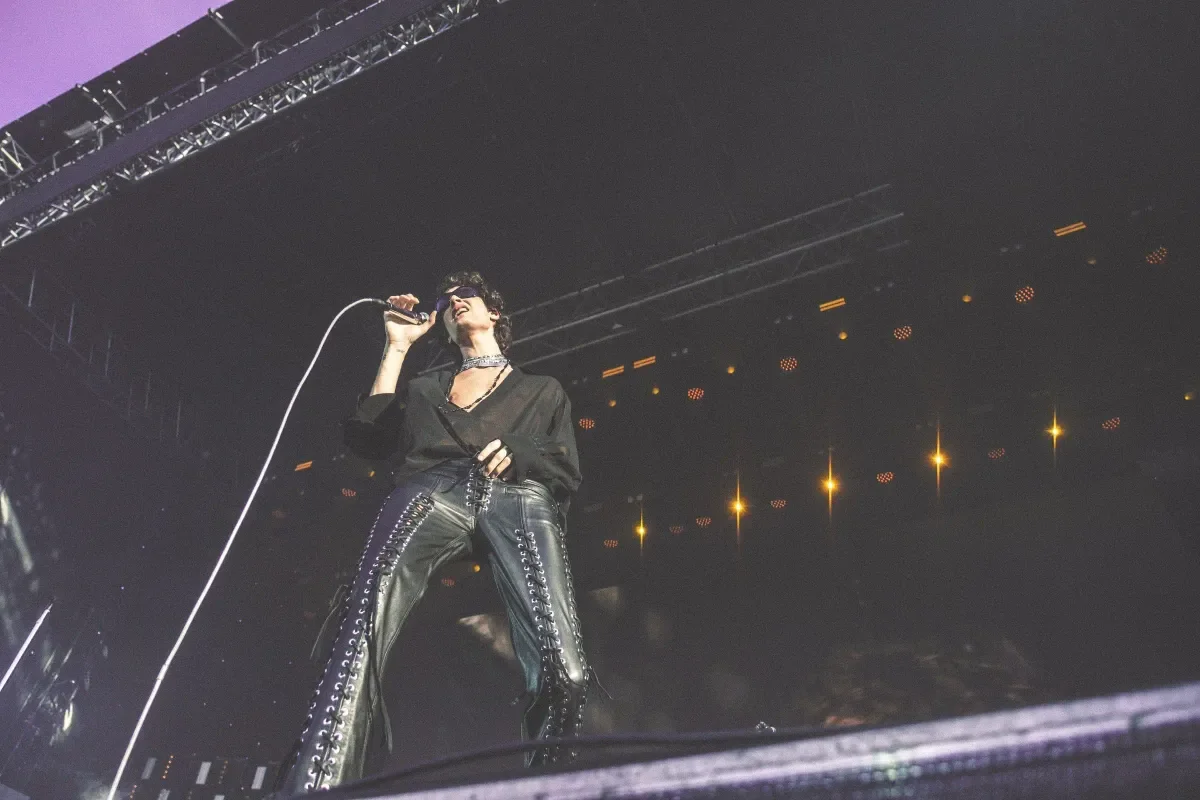
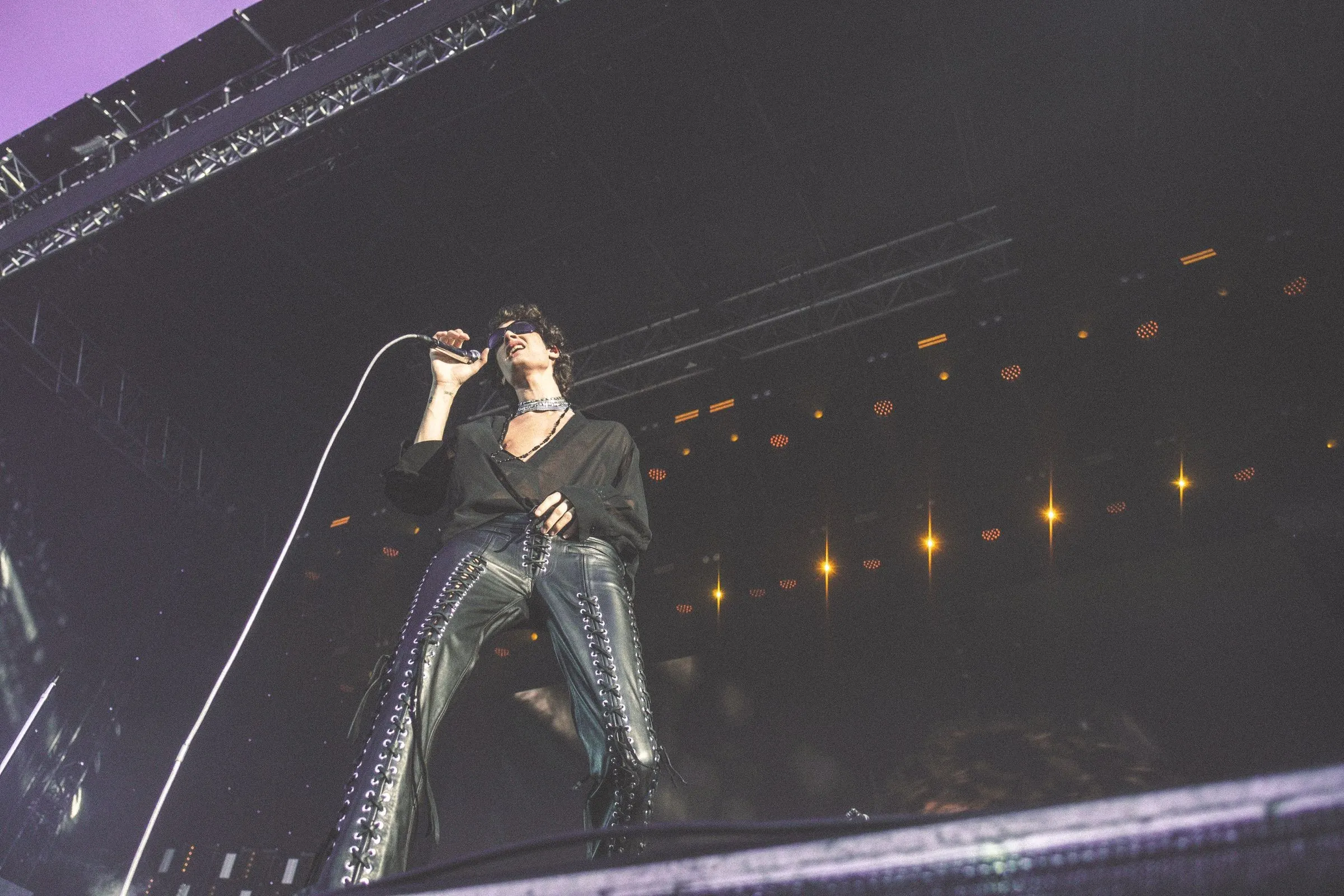
I make it back to my bench — three rows from the stage — with another glass of natural wine in hand (20 cl, I’d estimate). And then it happens: Guldimund and the band enter from the back. No drama. Just presence. Quiet, almost humbly. They begin with calm and precision. An intensity that is neither forced nor planned. The sound is exceptional. The acoustics in the room lift the music as if it were made for this exact moment. And maybe it was.

It’s as if we’re afraid to put words to how phenomenal it really is. As if we’re collectively trying to hold ourselves back a little, because surrendering almost feels like too much. But we do. Because this is one of those concerts where you don’t wait for the highlights. Where everything flows. Where you don’t think, “now comes that song,” but simply sink down and become part of something.
And then he appears. The trumpet player. A young man with the energy of Mick Jagger and the build of Dirch Passer, pulling out his trumpet again and again and hitting a point inside me each time that I didn’t know was there.
Several times I shed a tear. Not from sentimentality, but from something far rarer — overwhelm. There are moments when the whole room lifts, when the music transcends the pretentious setup, and when it dawns on me that this is why we still search for the unique. The authentic.
In truth…
“Heartland at Noma” was a conceptual mess, but the Guldimund concert was the greatest musical experience of my life. It’s strange how those two things can coexist. An evening where everything leading up to it felt like yet another cultural playground for adults, but where the music still hit something that felt real, unfiltered, and inevitable.
It shouldn’t have worked — but it did.
En stjerne
To stjerner
Tre stjerner
Fire stjerner
Fem stjerner
Seks stjerner